12 Tiny Bedroom Ideas That Feel Functional And Aesthetic
TL;DR
Many tiny bedrooms lean too far in one direction. Some become visually beautiful but frustrating to live in, while others become overly practical and emotionally cold. The best tiny bedrooms feel both functional and aesthetic at the same time. They support real daily routines while still creating softness, warmth, and visual calm. These ideas focus on building small bedrooms that actually work in real life without losing their cozy Pinterest-worthy atmosphere.
1. Use a Storage Bed That Still Looks Soft and Minimal
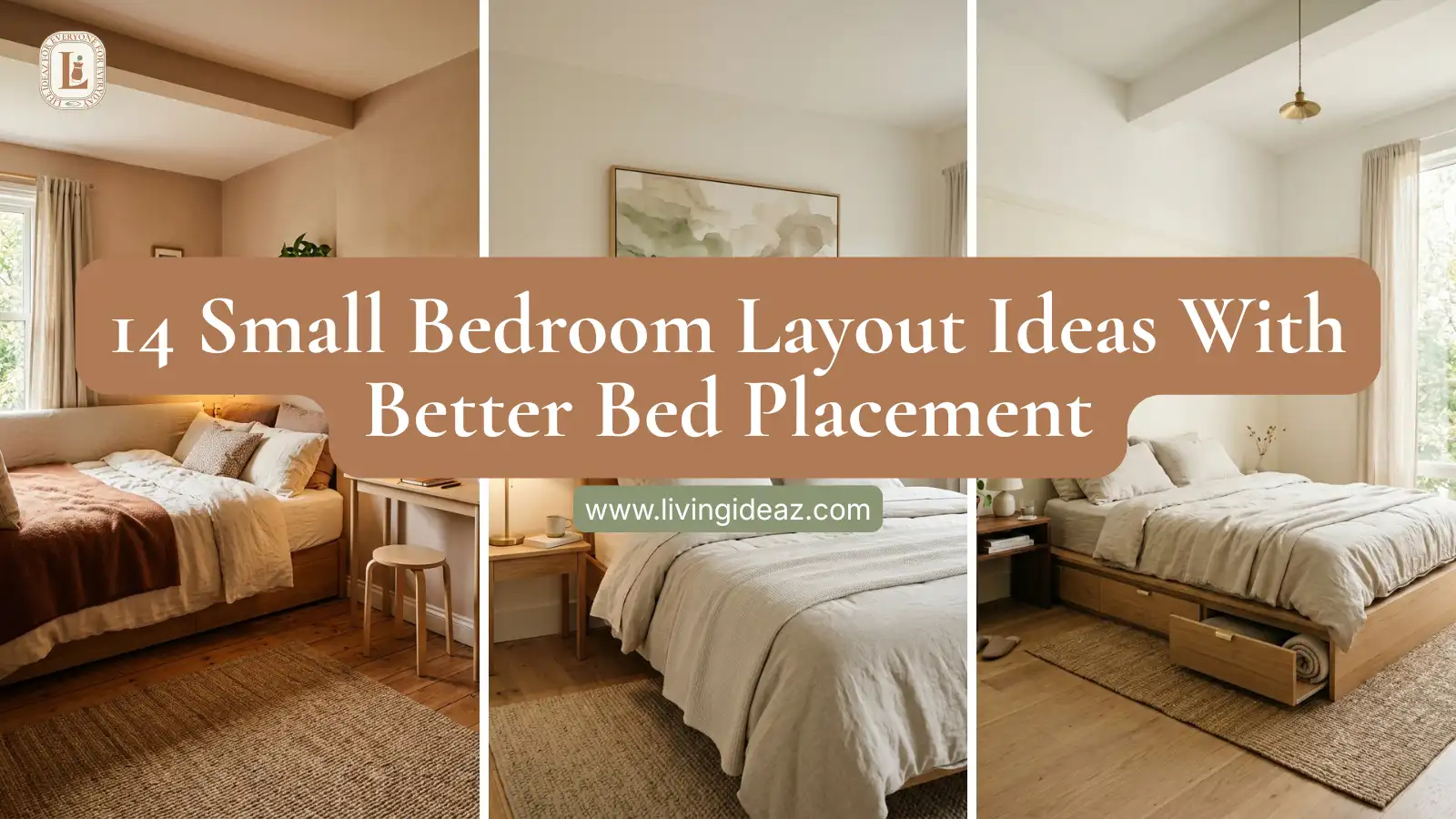
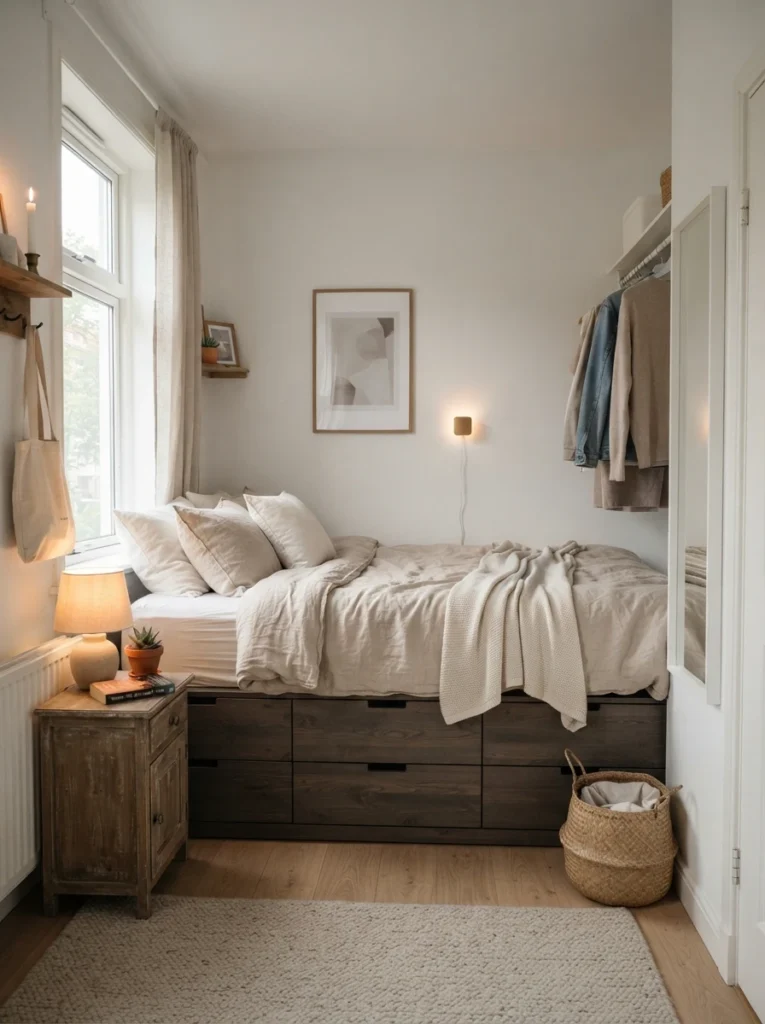
Storage beds are one of the smartest solutions for tiny bedrooms, but bulky designs often make rooms feel heavy and overcrowded. A softer platform bed with hidden drawers creates functionality without visually dominating the space.
Warm linen bedding and lighter wood tones help the bed blend naturally into the room instead of looking purely utilitarian. Functional furniture should still emotionally support calmness.
Good storage should not make the room feel emotionally heavier.
2. Add Floating Nightstands to Open the Floor Visually
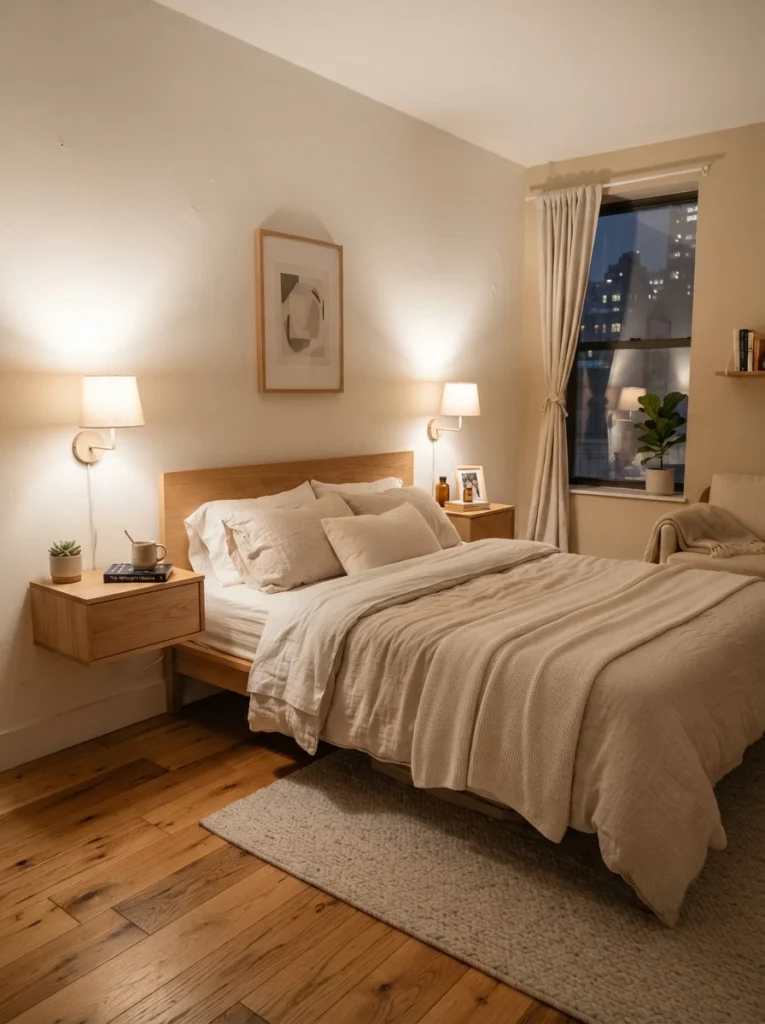
Tiny bedrooms instantly feel more spacious when more flooring remains visible. Floating nightstands create functionality without adding bulky visual weight beside the bed.
This small trick also makes cleaning easier and helps cramped layouts feel lighter emotionally. Warm wall sconces above floating nightstands create an especially aesthetic setup because surfaces stay visually cleaner.
Open floor visibility changes the entire atmosphere of compact rooms.
3. Keep the Color Palette Calm Instead of Trendy
Tiny rooms become visually chaotic quickly when every trend gets added at once. Bold colors, loud prints, and sharp contrasts often make compact bedrooms feel emotionally noisy instead of aesthetic.
Warm neutrals, muted earthy tones, soft greens, creamy whites, and layered natural textures create a softer atmosphere that still feels visually beautiful without overwhelming the room.
The most aesthetic tiny bedrooms usually feel emotionally calming too.
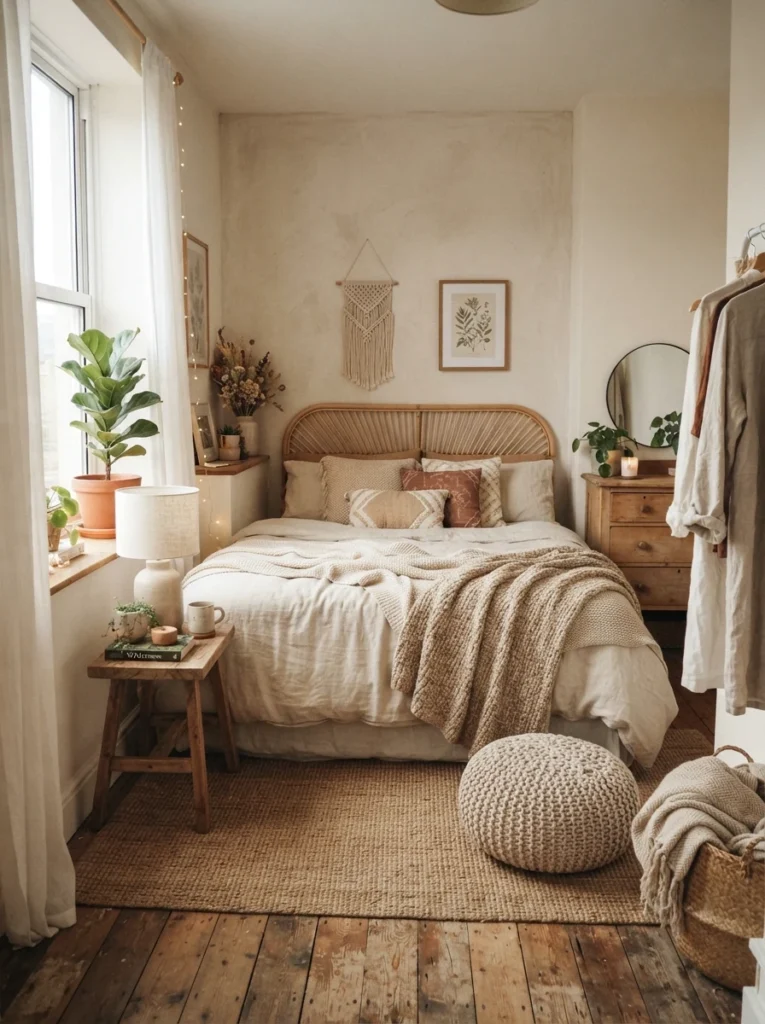
4. Use One Beautiful Open Shelf Instead of Many
Open shelving can either feel aesthetic or visually exhausting depending on restraint. One carefully styled shelf usually works far better than multiple overcrowded ones in tiny bedrooms.
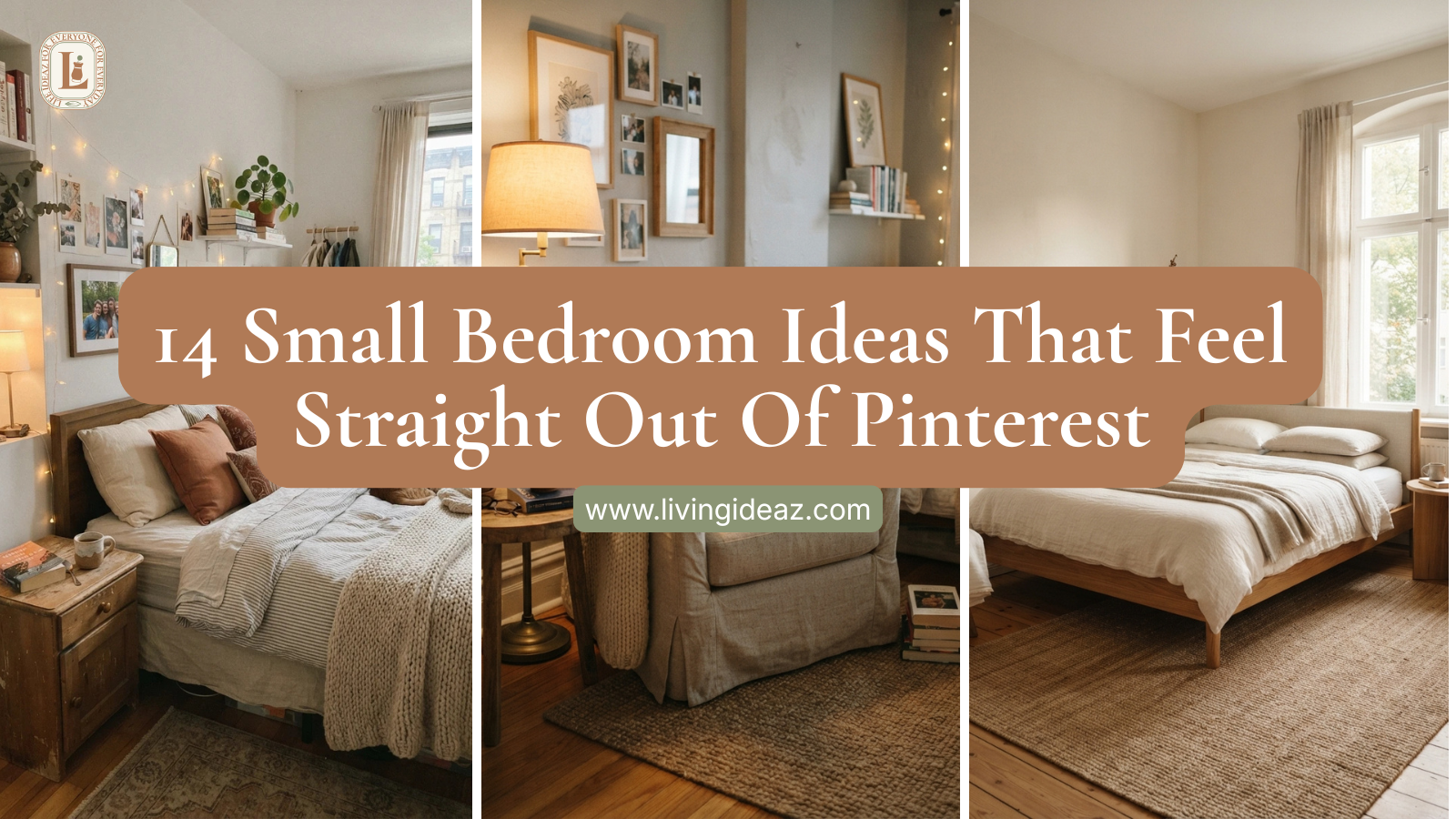
A few books, folded linen storage bins, ceramic decor, and one soft lamp create warmth without creating clutter. Functional storage feels more aesthetic when visual simplicity stays intact.
Tiny rooms emotionally benefit from editing.
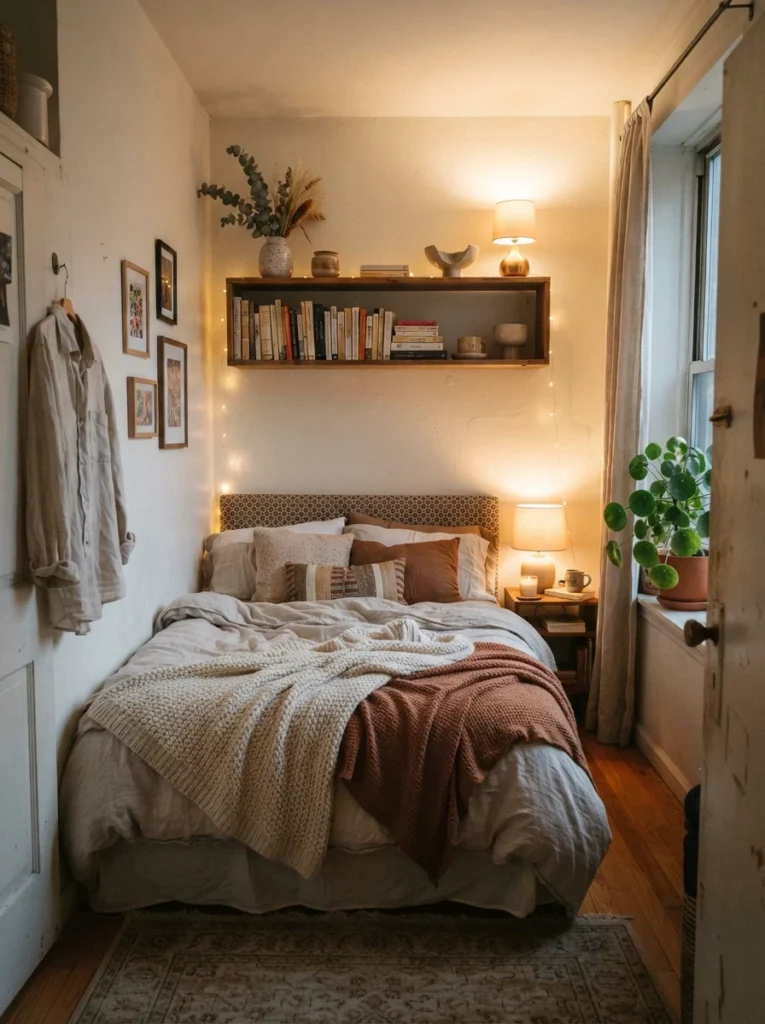
5. Let Lighting Create Most of the Atmosphere
Aesthetic bedrooms often rely more on lighting than decoration. Warm bedside lamps, hidden LED glow, candles, and soft ambient lighting create emotional richness without physically cluttering the room.
Functional rooms usually feel better when lighting adapts throughout the day too. Brighter mornings and softer evenings make tiny bedrooms feel more intentional and emotionally comfortable.
Lighting quietly shapes how functional spaces emotionally feel.
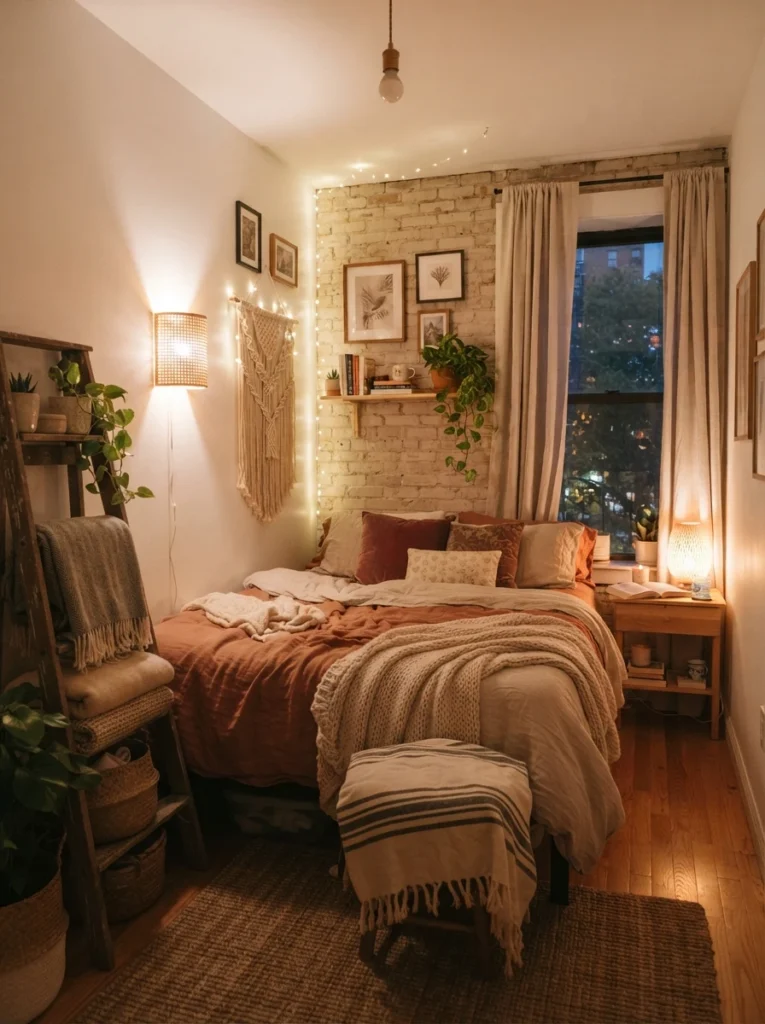
6. Use Hooks for Everyday Clothing Instead of Chair Piles
One hidden functional problem in tiny bedrooms is transitional clutter. Hoodies, jeans, bags, and jackets rarely make it back into closets immediately, so chairs slowly become storage piles.
Minimal wall hooks solve this realistically while still looking aesthetic when styled simply. Functional design works best when it supports actual human behavior instead of demanding perfection.
Controlled clutter feels calmer than scattered clutter.
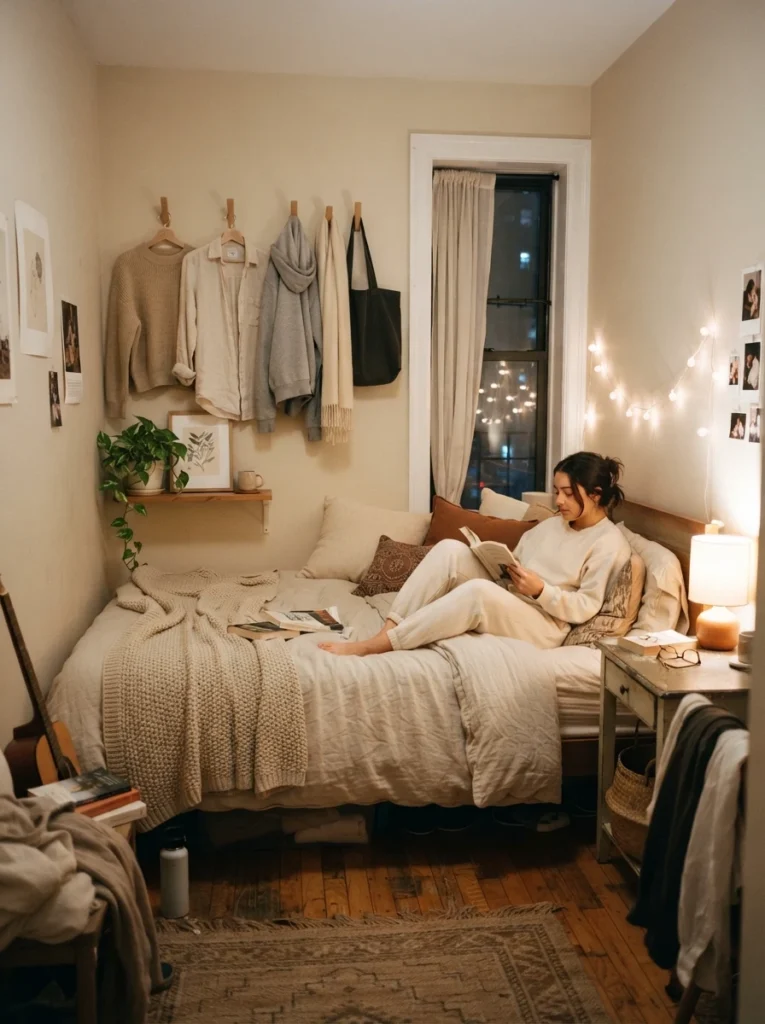
7. Mix Hidden Storage With Soft Textures
Rooms become emotionally cold when every functional element looks overly practical. Hidden storage paired with soft textures keeps tiny bedrooms both useful and comforting.
Woven baskets, linen bedding, textured rugs, and warm wood tones soften the feeling of organization so the room still feels cozy instead of sterile.
Aesthetic spaces usually balance utility with emotional warmth carefully.
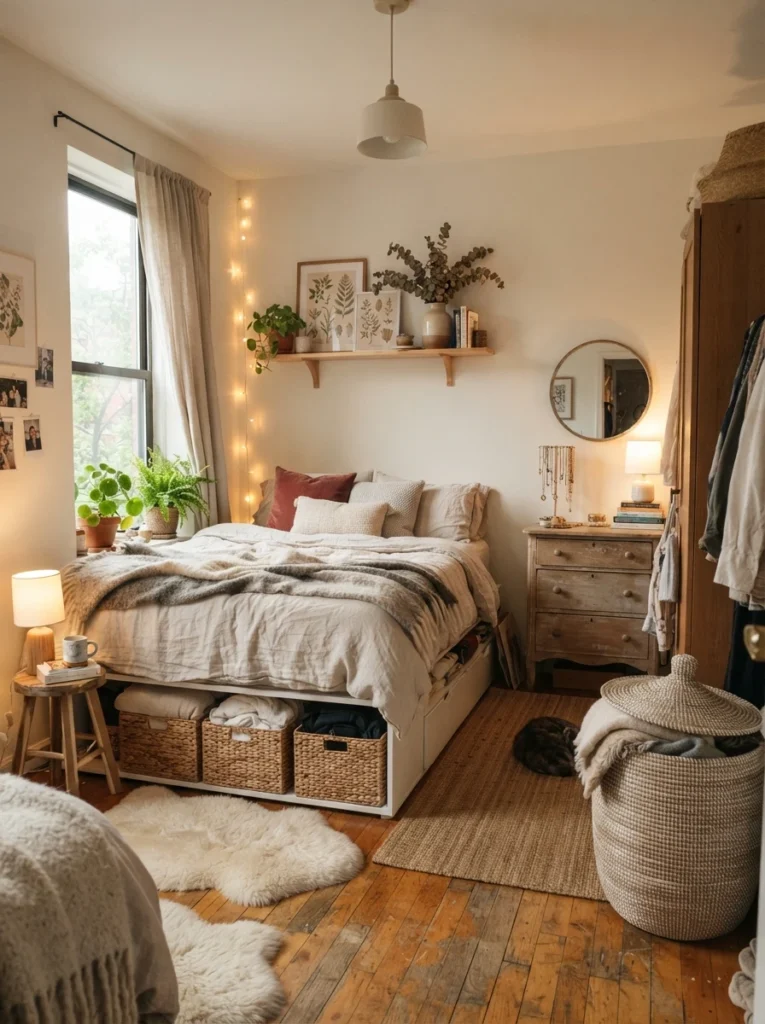
8. Keep the Bed Area Visually Calm
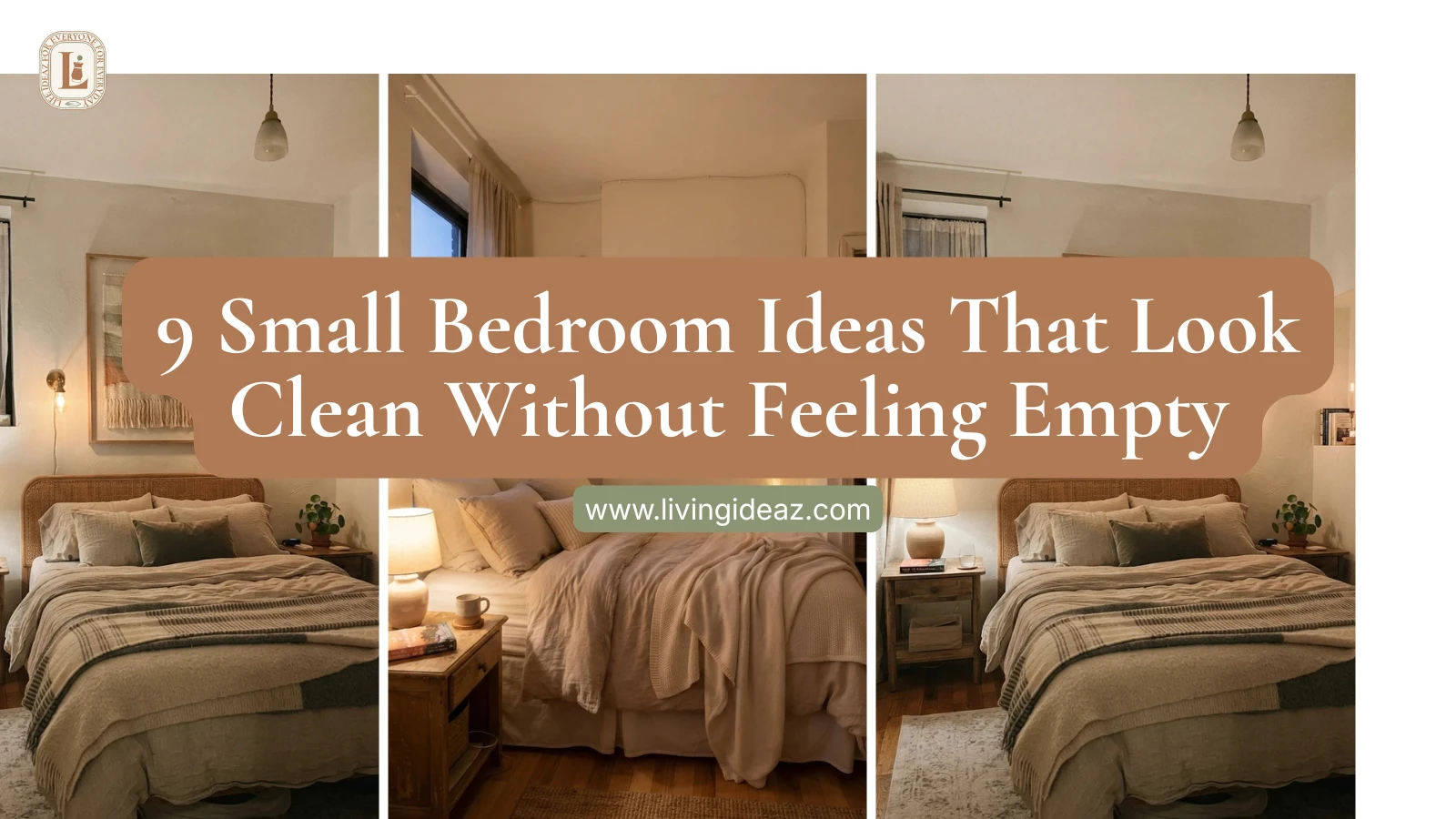
Tiny bedrooms often feel stressful because too much visual information surrounds the sleeping area. Tangled chargers, crowded shelves, overflowing nightstands, and excessive wall decor create subtle mental tension constantly.
Cleaner bedside styling immediately makes the room feel more aesthetic and emotionally restful. Functional spaces still need visual quietness around areas associated with relaxation.
The bed should visually feel peaceful.
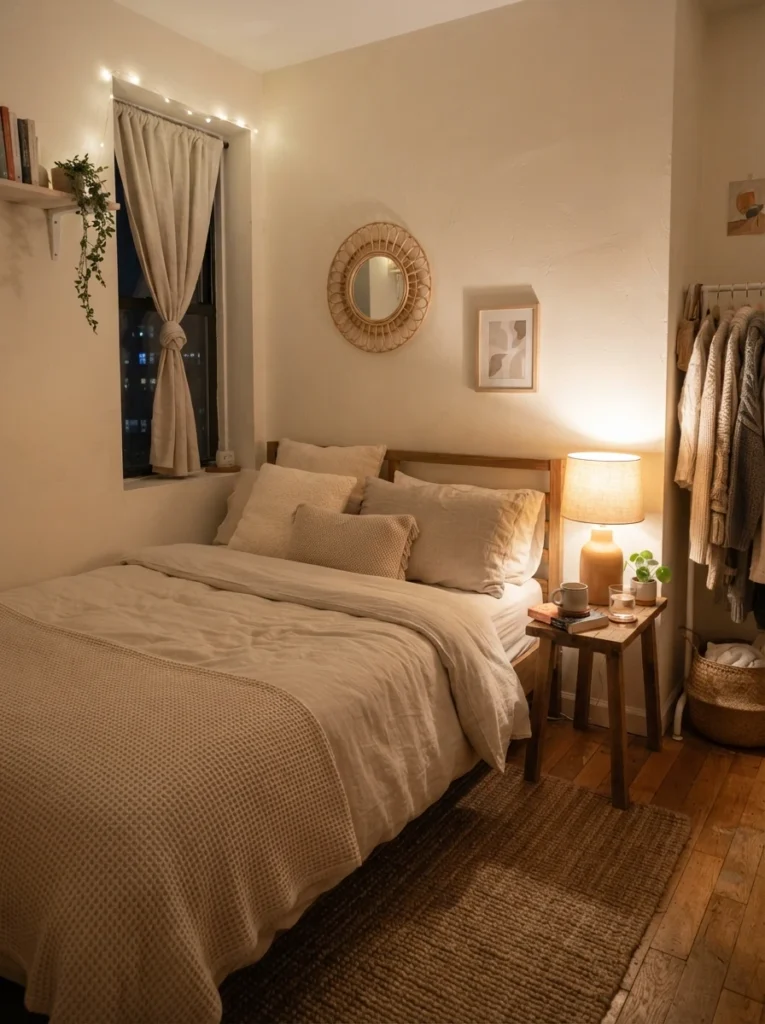
9. Use Mirrors to Reflect Light Instead of Clutter
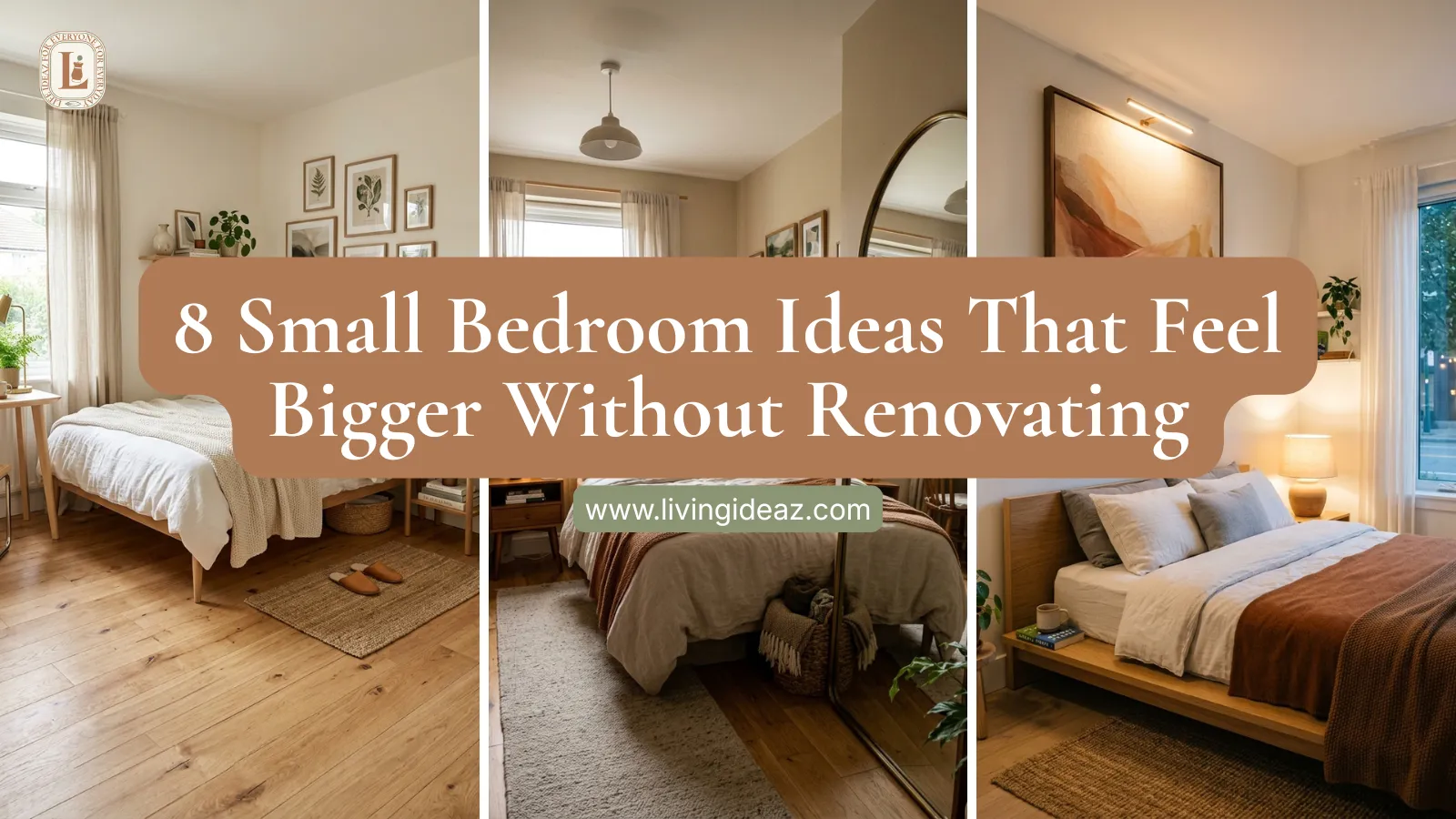
Mirrors help tiny bedrooms feel larger and brighter, but placement matters emotionally. Reflecting open space, warm lighting, or soft bedding creates calmness, while reflecting clutter doubles visual stress instantly.
Thin-framed mirrors usually feel more aesthetic in compact bedrooms because they visually disappear more easily into the space.
Reflection shapes atmosphere more than people realize.
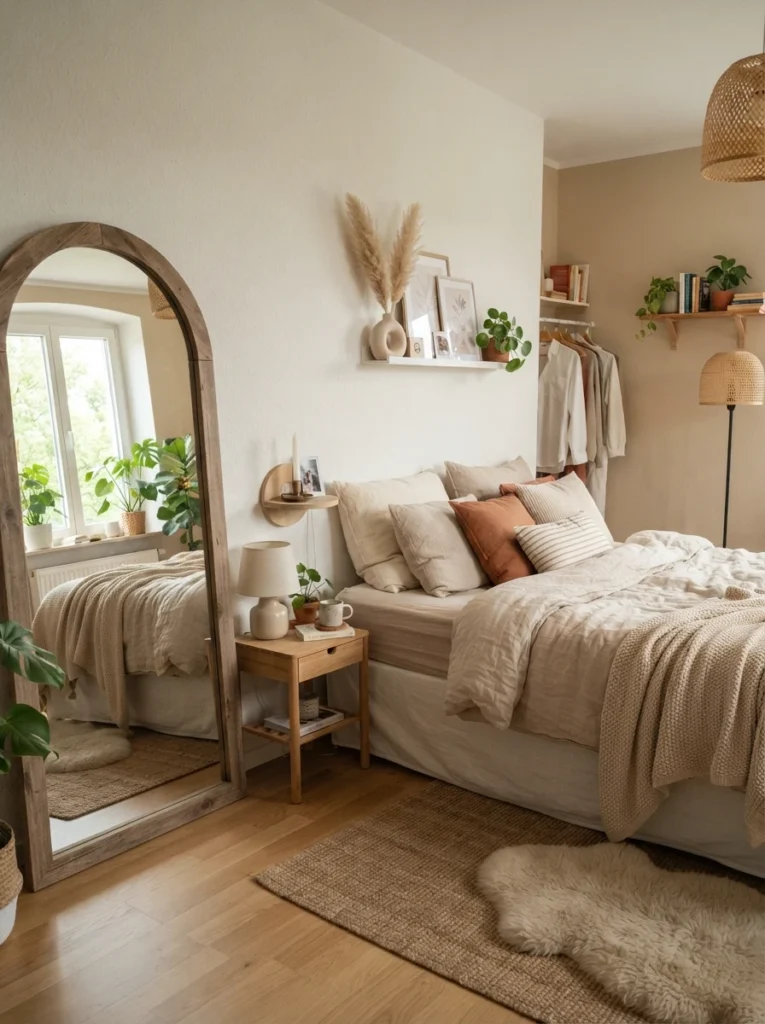
10. Choose Furniture That Looks Lighter Visually
Bulky furniture quickly makes tiny bedrooms feel emotionally compressed. Furniture with visible legs, slimmer frames, and softer proportions helps rooms feel more breathable while still remaining functional.
This is especially important in apartments where every object affects movement and visual flow strongly. Tiny bedrooms feel more aesthetic when furniture appears lighter and less dominant.
Visual weight affects emotional comfort constantly.
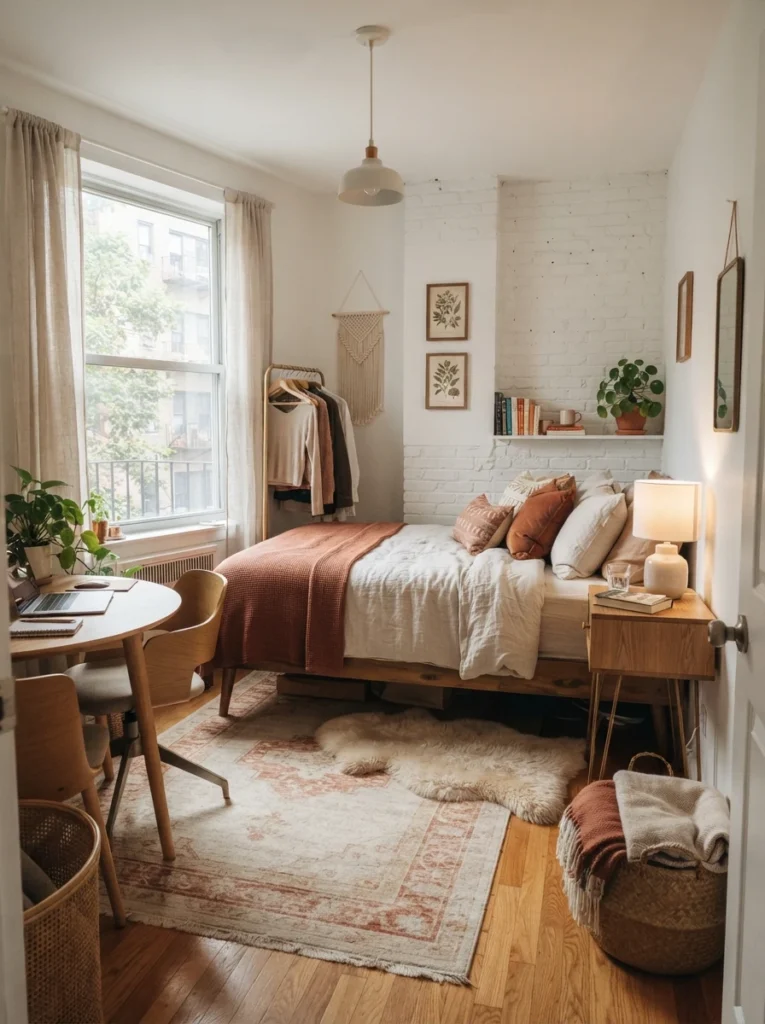
11. Leave Some Areas Intentionally Empty
Many tiny bedrooms lose their aesthetic calm because every inch becomes optimized for storage. Empty space actually helps rooms feel more beautiful because the eye gets moments of visual rest.
Partially empty corners, cleaner walls, and uncluttered surfaces create breathing room that allows the room’s textures and lighting to stand out naturally.
Calmness often feels more aesthetic than over-designing.
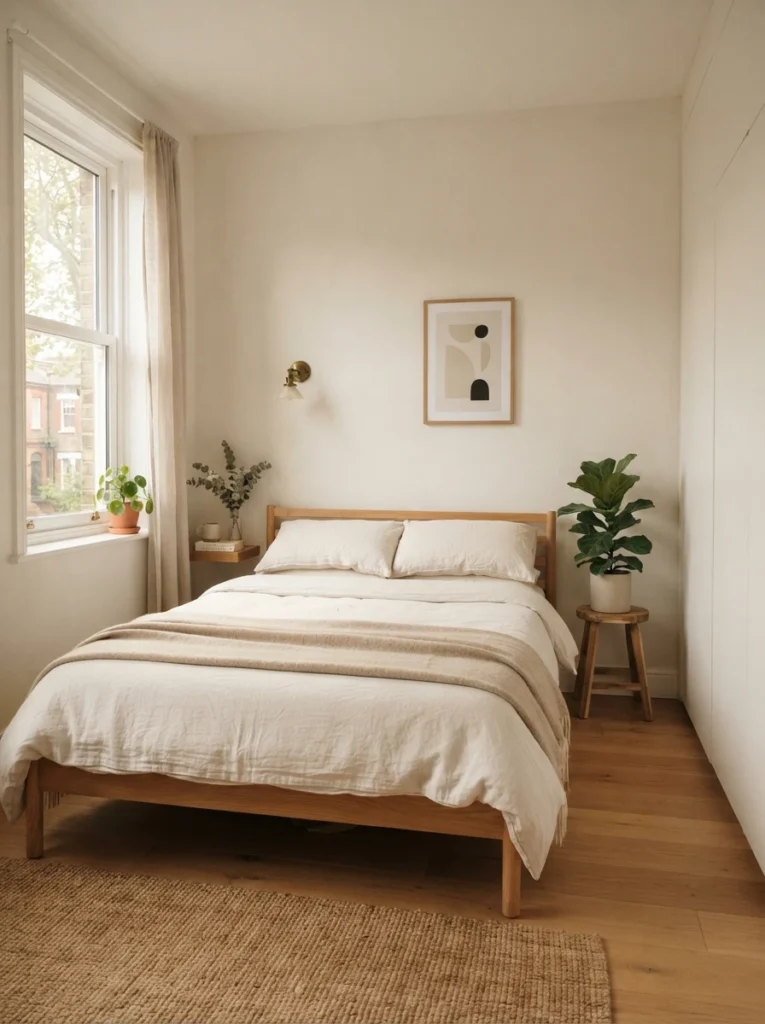
12. Design the Room Around Real Life, Not Perfect Photos
The most functional and aesthetic bedrooms are not the ones staged perfectly for social media. They are the ones that quietly support real routines while still feeling emotionally comforting.
Easy storage, softer lighting, realistic organization systems, comfortable movement flow, and layered warmth create rooms people genuinely enjoy living inside every day.
A beautiful room should not feel exhausting to maintain constantly.
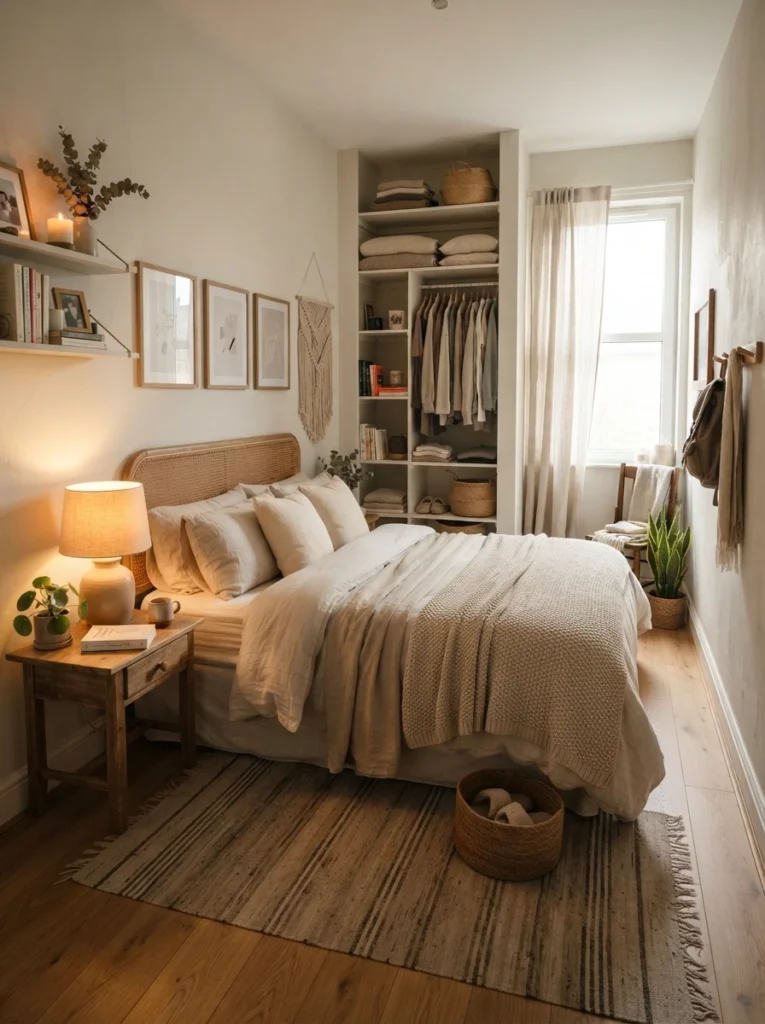
Final Thoughts
Tiny bedrooms feel best when functionality and aesthetics support each other instead of competing. Practical storage, cleaner layouts, softer lighting, and calmer styling create spaces that work realistically while still feeling warm and visually comforting.
The most beautiful small bedrooms are rarely the most expensive or perfectly staged ones. They are the rooms that feel emotionally softer, easier to maintain, and genuinely pleasant to exist inside after long days.
Aesthetic rooms should not only look calming. They should actually make daily life feel calmer too.