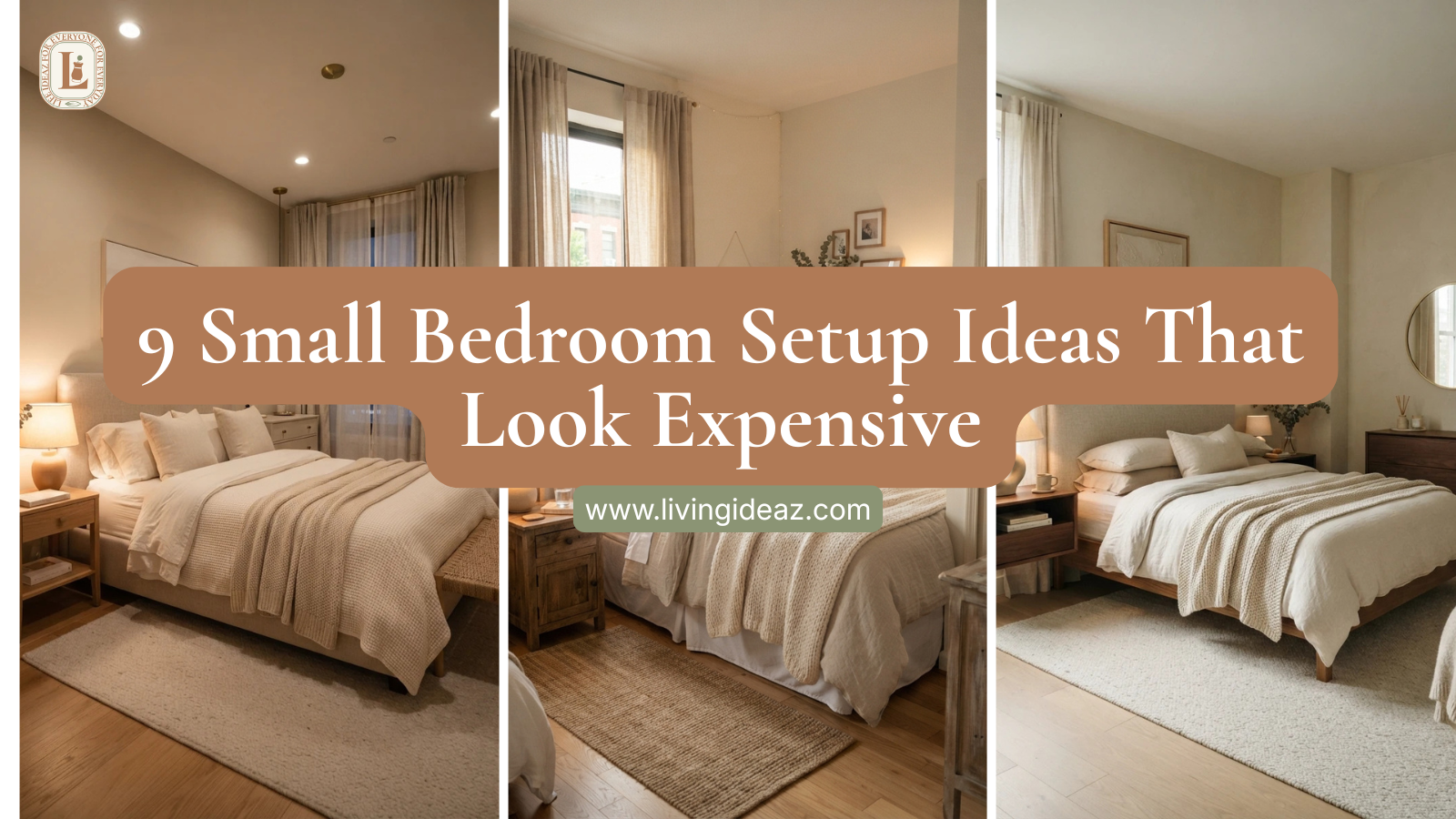
9 Small Bedroom Setup Ideas That Look Expensive
TL;DR
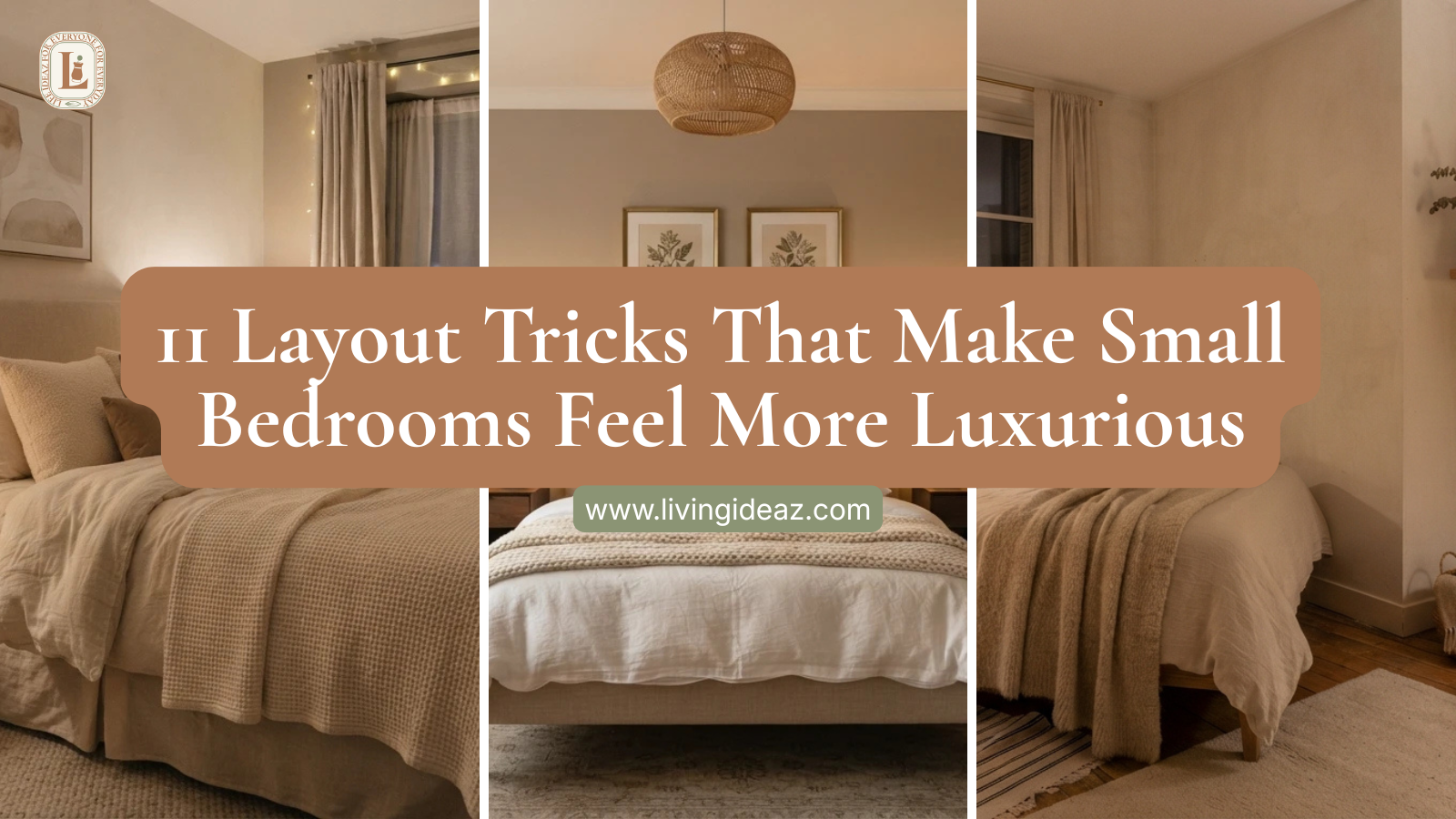
Most expensive-looking bedrooms are not actually filled with luxury furniture. They simply understand visual calm, lighting, spacing, texture, and restraint better than most ordinary rooms. Tiny bedrooms especially start feeling high-end when clutter decreases, furniture feels intentional, and the atmosphere becomes softer instead of overcrowded. These small bedroom setup ideas focus on creating a richer emotional feel without making the room impractical or fake-looking.
1. Use One Large Statement Piece Instead of Many Small Decor Items
One of the biggest reasons small bedrooms fail to feel expensive is visual fragmentation. Tiny frames, scattered candles, miniature decor objects, and overcrowded shelves create a budget look surprisingly fast because the eye keeps jumping between too many details.
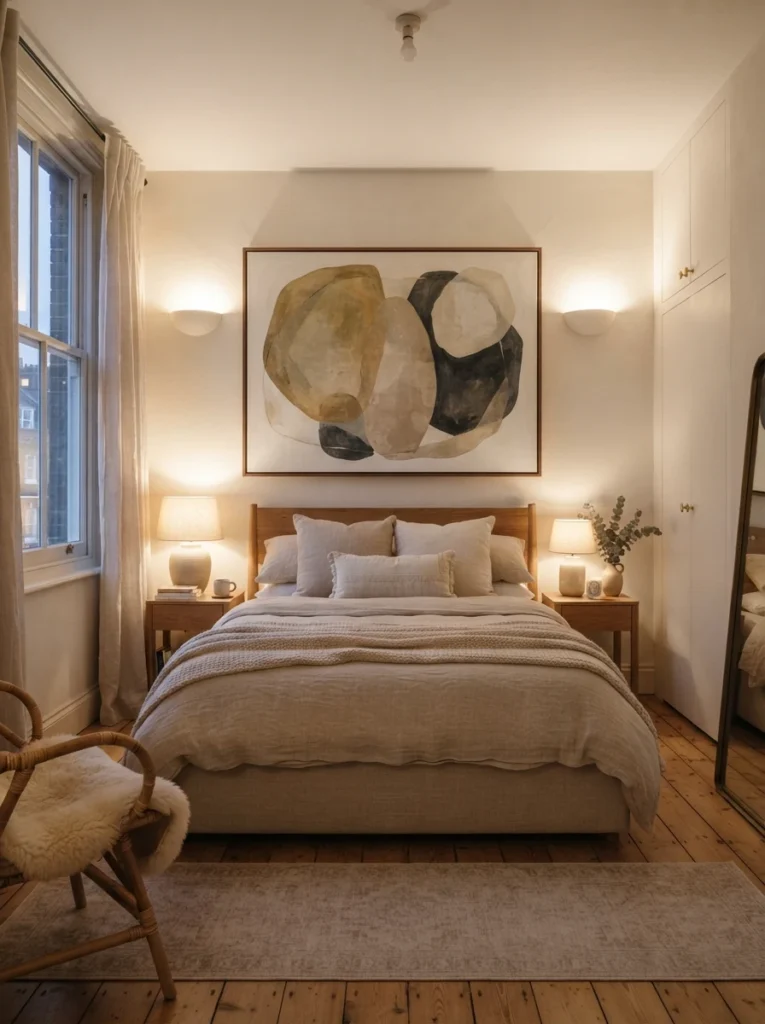
Luxury interiors usually rely on fewer but more intentional focal points. A large framed print above the bed, an oversized mirror, or a single dramatic pendant light often creates more visual impact than dozens of smaller accessories combined.
This works especially well in tiny bedrooms because fewer visual interruptions make the room feel calmer and more elevated emotionally.
2. Keep the Color Palette Warm and Controlled
Expensive-looking bedrooms rarely feel chaotic. Their colors usually blend softly instead of aggressively competing for attention. Warm beige, muted taupe, soft cream, earthy brown, and natural wood tones create emotional richness without overwhelming small spaces.
Many tiny bedrooms accidentally feel cheaper because too many contrasting colors break visual flow constantly. Controlled palettes help rooms feel more cohesive and intentionally designed.
Warmth matters too. Cold gray-heavy bedrooms often feel emotionally flat instead of luxurious.
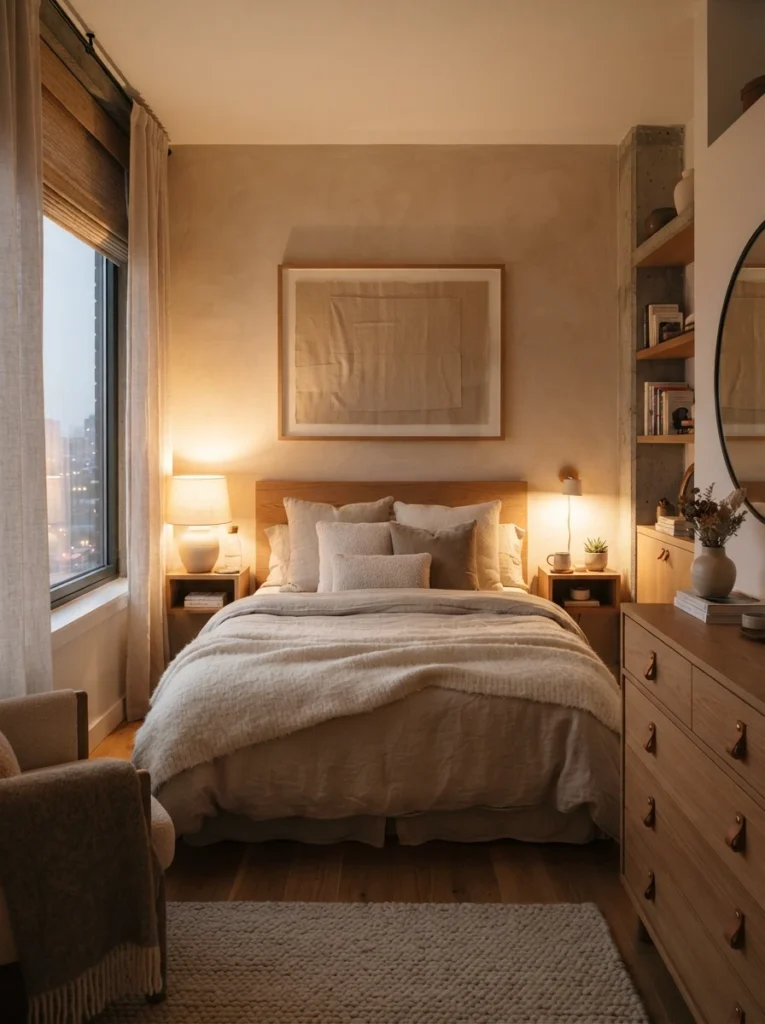
3. Add Soft Layered Lighting Instead of One Bright Ceiling Light
Nothing destroys an expensive atmosphere faster than harsh overhead lighting. Small bedrooms especially feel colder and cheaper when bright white ceiling lights flatten the entire room visually.
Luxury hotels understand this extremely well. They layer light instead of flooding the room with brightness. Warm bedside lamps, soft wall sconces, hidden LED glow, and dim ambient lighting create emotional depth that instantly makes rooms feel richer.
Good lighting changes the mood more dramatically than expensive furniture ever could.
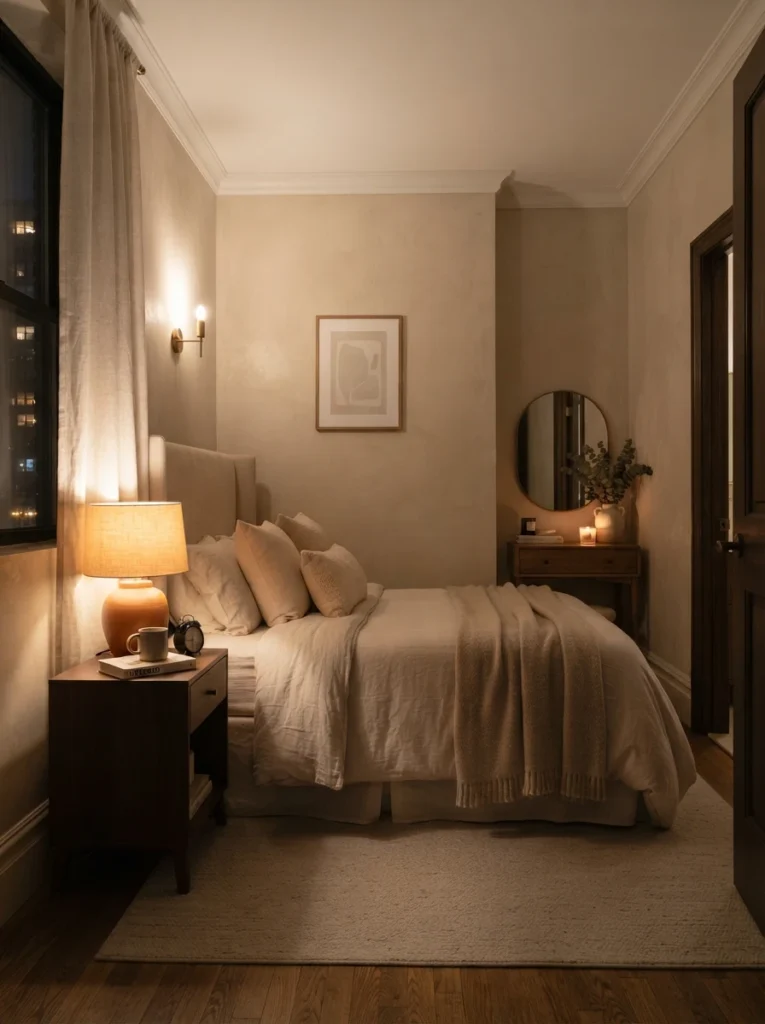
4. Use Full-Length Curtains Even in Tiny Rooms
Short curtains often make bedrooms feel unfinished and visually cheaper because they interrupt vertical flow abruptly. Full-length curtains create softness while making ceilings appear taller and more elegant psychologically.
Linen textures work especially well because they diffuse natural light gently instead of making the room feel heavy. This subtle softness instantly changes how the room feels emotionally during both day and night.
Tiny bedrooms emotionally benefit from vertical movement and softer edges.

5. Leave Empty Space Around Furniture
One hidden luxury principle is restraint. Expensive bedrooms rarely feel packed wall-to-wall with furniture and decor. They allow objects breathing room, which makes the room feel calmer and more intentional.
Tiny bedrooms become visually exhausting when every corner contains storage, seating, or decoration. Leaving some openness around the bed or near windows immediately creates a softer higher-end atmosphere.
Visual breathing room feels expensive because it signals calm instead of overcrowding.
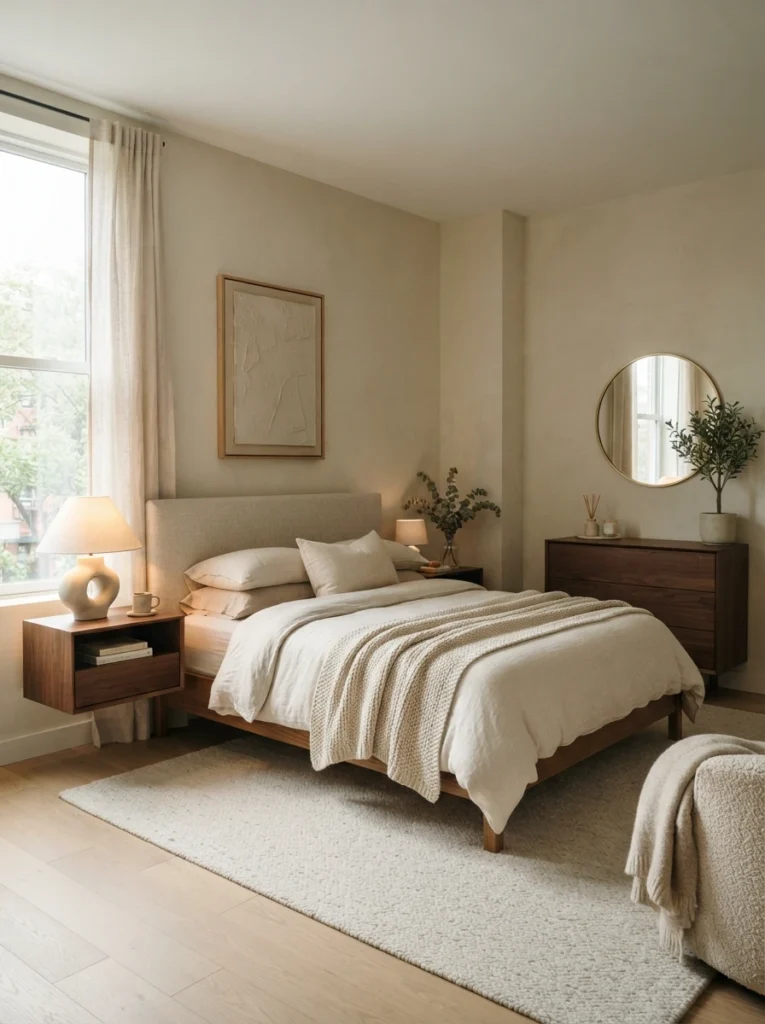
6. Upgrade Bedding Before Anything Else
In small bedrooms, the bed dominates the entire visual experience. Cheap-looking bedding instantly lowers the atmosphere no matter how beautiful the surrounding decor may be.
Layered linen textures, soft neutral duvets, oversized pillows, and slightly relaxed bedding create emotional richness because the room starts feeling inviting instead of purely functional.
The goal is softness, not perfection. Slightly lived-in bedding often feels more luxurious than stiff perfectly arranged hotel corners.
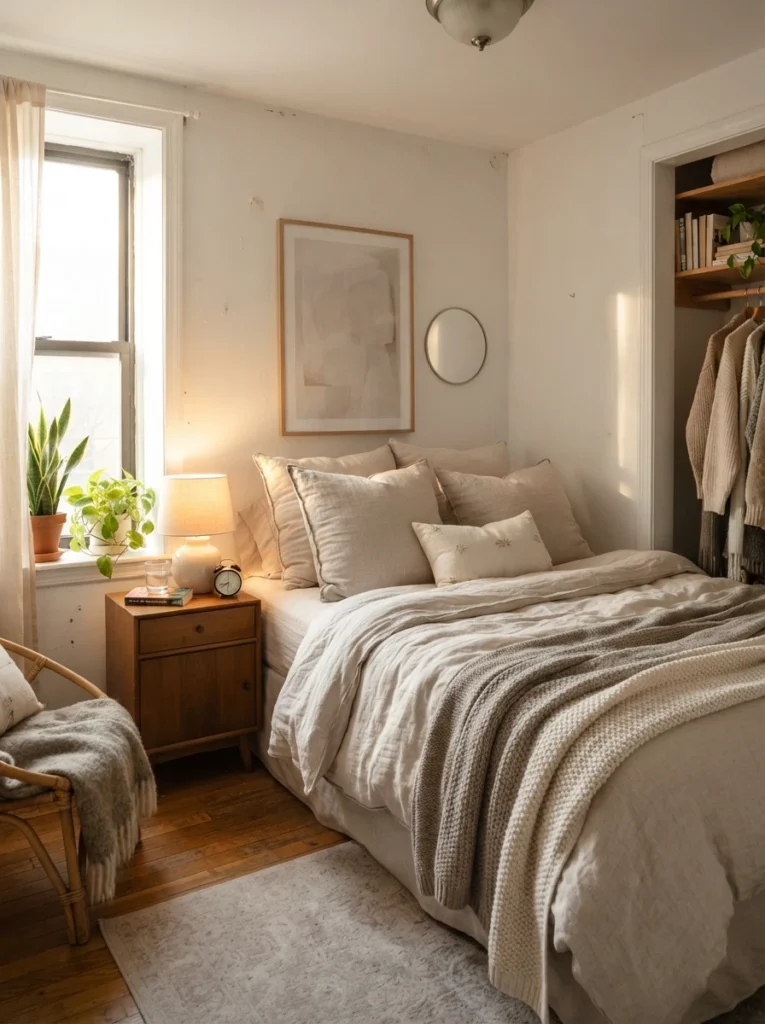
7. Hide Visual Clutter Aggressively
Expensive-looking rooms usually contain less visible information. Chargers, laundry piles, tangled cables, skincare products, and random storage bins quietly destroy visual calm even inside beautiful bedrooms.
Hidden storage creates luxury because the eye processes fewer interruptions. Woven baskets, under-bed drawers, storage benches, and cable management systems dramatically improve how tiny rooms emotionally feel.
Luxury is often visual quietness more than expensive objects.
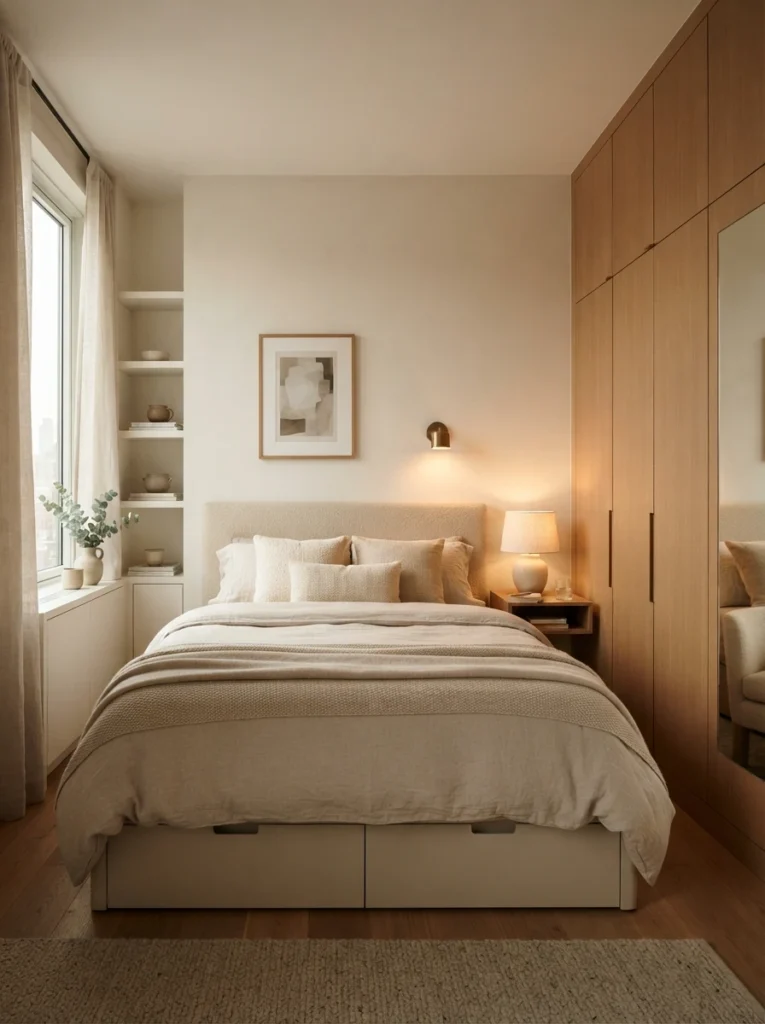
8. Use Fewer Better Textures Instead of More Decoration
Many small bedrooms try too hard visually. Too many patterns, shiny surfaces, metallic accents, and trendy decor pieces quickly create visual noise instead of sophistication.
Expensive rooms usually layer texture subtly. Linen, oak wood, soft rugs, matte ceramics, and woven materials create richness without cluttering the eye emotionally.
Texture adds warmth quietly. Decoration often demands attention loudly.
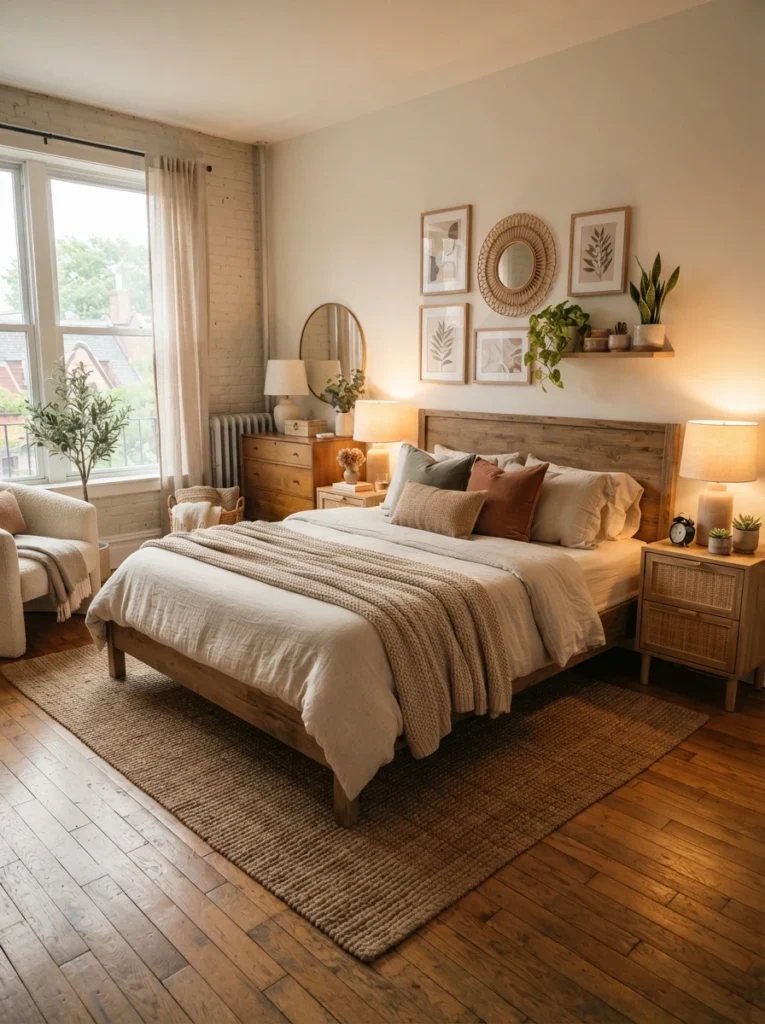
9. Make the Room Feel Emotionally Calm
The biggest difference between cheap-looking bedrooms and expensive-feeling bedrooms is usually emotional atmosphere. Luxury spaces feel calm because nothing visually screams for attention constantly.
Soft lighting, cleaner surfaces, intentional spacing, controlled colors, and reduced clutter help tiny bedrooms feel emotionally lighter. This is why some small hotel rooms feel more luxurious than much larger apartments.
People associate calm with luxury far more than they realize.
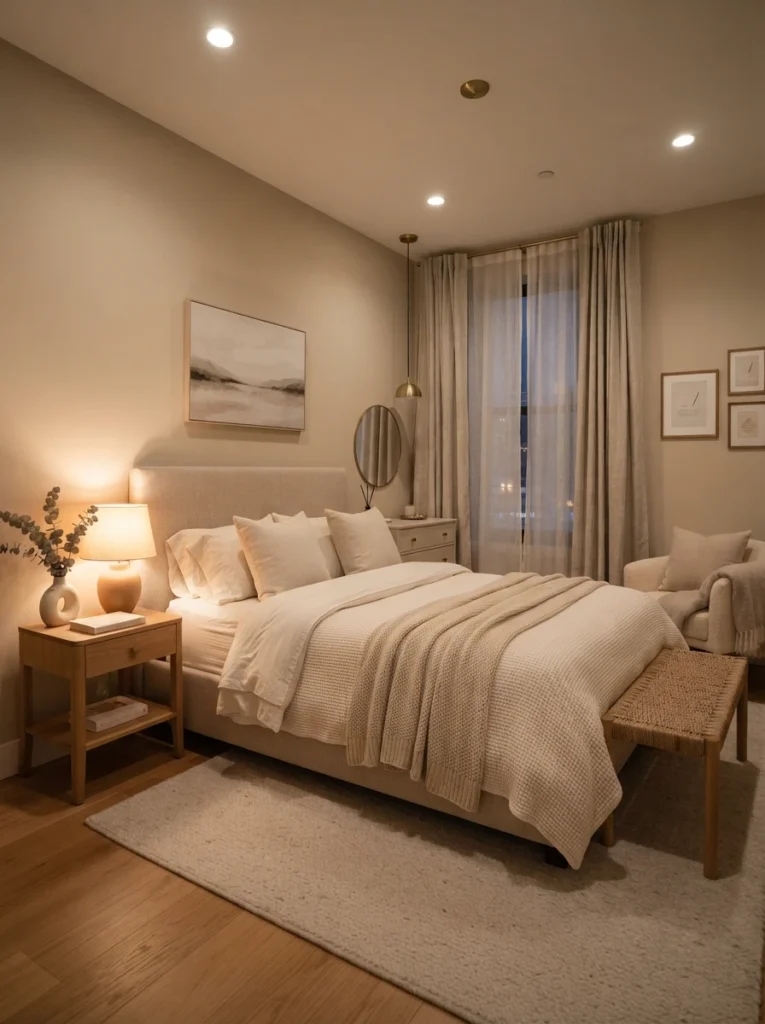
Final Thoughts
Expensive-looking bedrooms are rarely about buying the most expensive furniture. Most of the atmosphere comes from lighting, restraint, softness, texture, spacing, and emotional calm.
Tiny bedrooms actually have an advantage here because small changes feel dramatically more noticeable in compact spaces. Better lighting, softer bedding, hidden clutter, and controlled visual flow can completely shift how the room feels emotionally without requiring a luxury renovation budget.
A bedroom feels expensive when it feels peaceful, intentional, and emotionally comforting the moment you walk inside.