
9 Small Bedroom Layout Mistakes That Create Visual Clutter
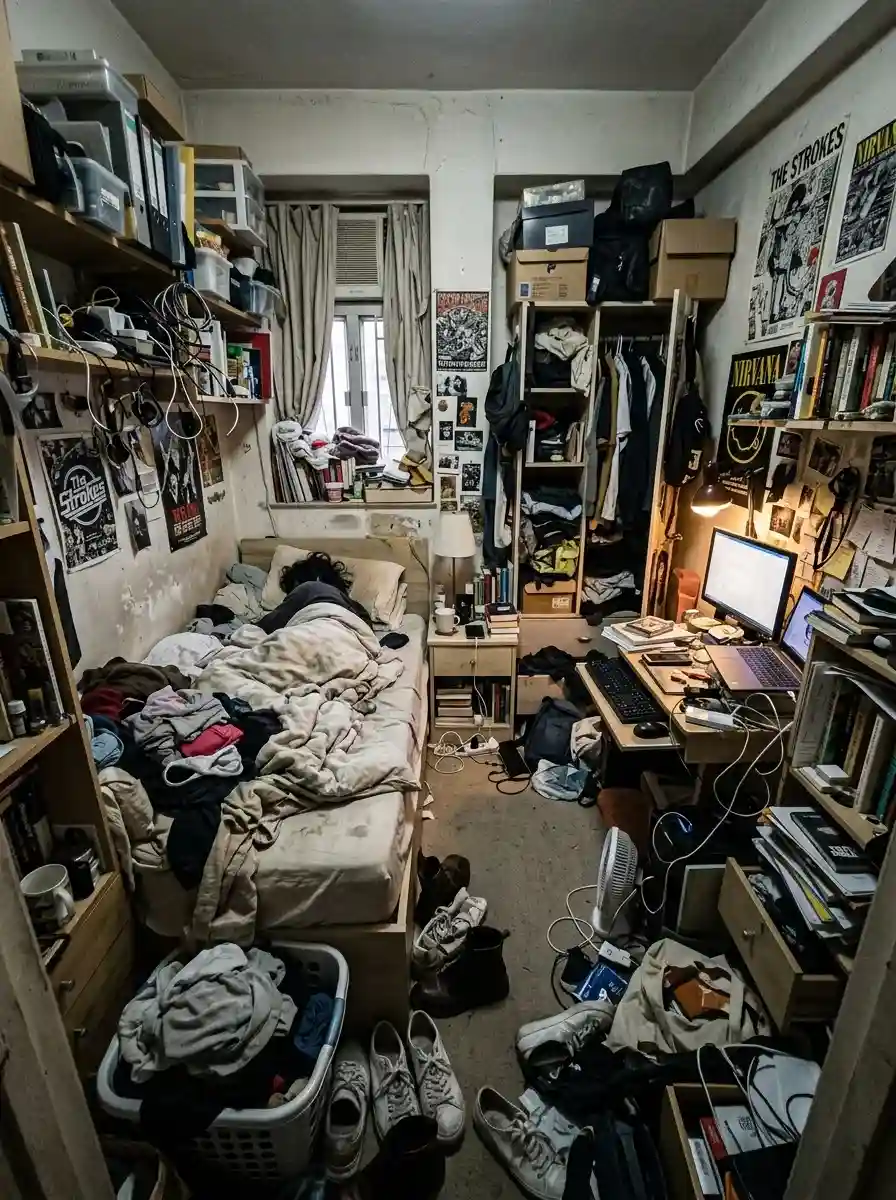
Some small bedrooms feel visually exhausting even when they are technically clean. The room feels crowded, movement feels awkward, and every corner somehow competes for attention at once. Clothes pile onto chairs, furniture blocks natural light, random storage fills empty corners, and the entire space starts feeling mentally noisy instead of relaxing.
Most people assume clutter only comes from owning too much stuff. In reality, visual clutter is often created by layout mistakes that quietly overwhelm the eye every single day. Oversized furniture, blocked pathways, mismatched storage, and overcrowded surfaces can make even organized bedrooms feel smaller, heavier, and more stressful emotionally.
The good news is that tiny bedrooms usually do not need expensive makeovers to feel calmer. A few smarter layout decisions can completely change how a room feels visually. Better spacing, cleaner movement flow, softer furniture placement, and more intentional openness often make small bedrooms feel significantly lighter, calmer, and easier to live in daily.
These common small bedroom layout mistakes create visual noise that makes compact spaces feel tighter, heavier, and harder to relax inside.
1. Pushing Every Furniture Piece Against the Wall
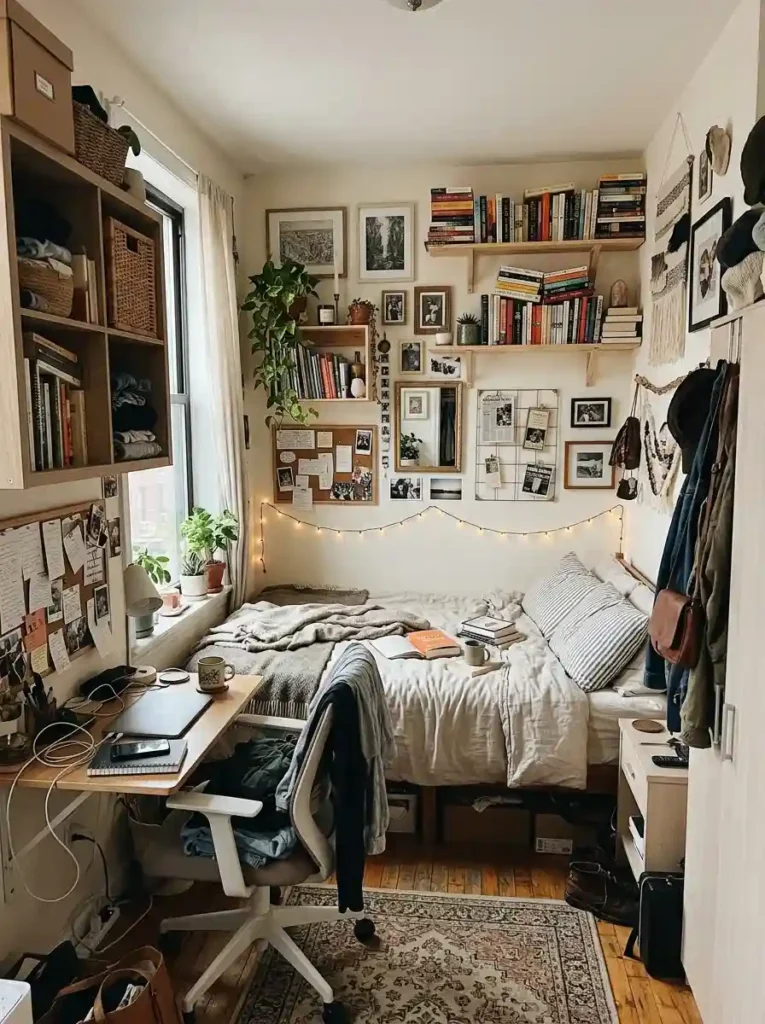
Many people assume pushing everything tightly against walls automatically creates more space, but this often makes small bedrooms feel awkward and emotionally cramped instead.
The room ends up with overcrowded edges and an empty disconnected center that feels visually strange. Slightly floating certain furniture pieces can actually create softer flow and more intentional balance naturally.
Tiny rooms still need breathing room.
2. Using Furniture That Is Too Large for the Room
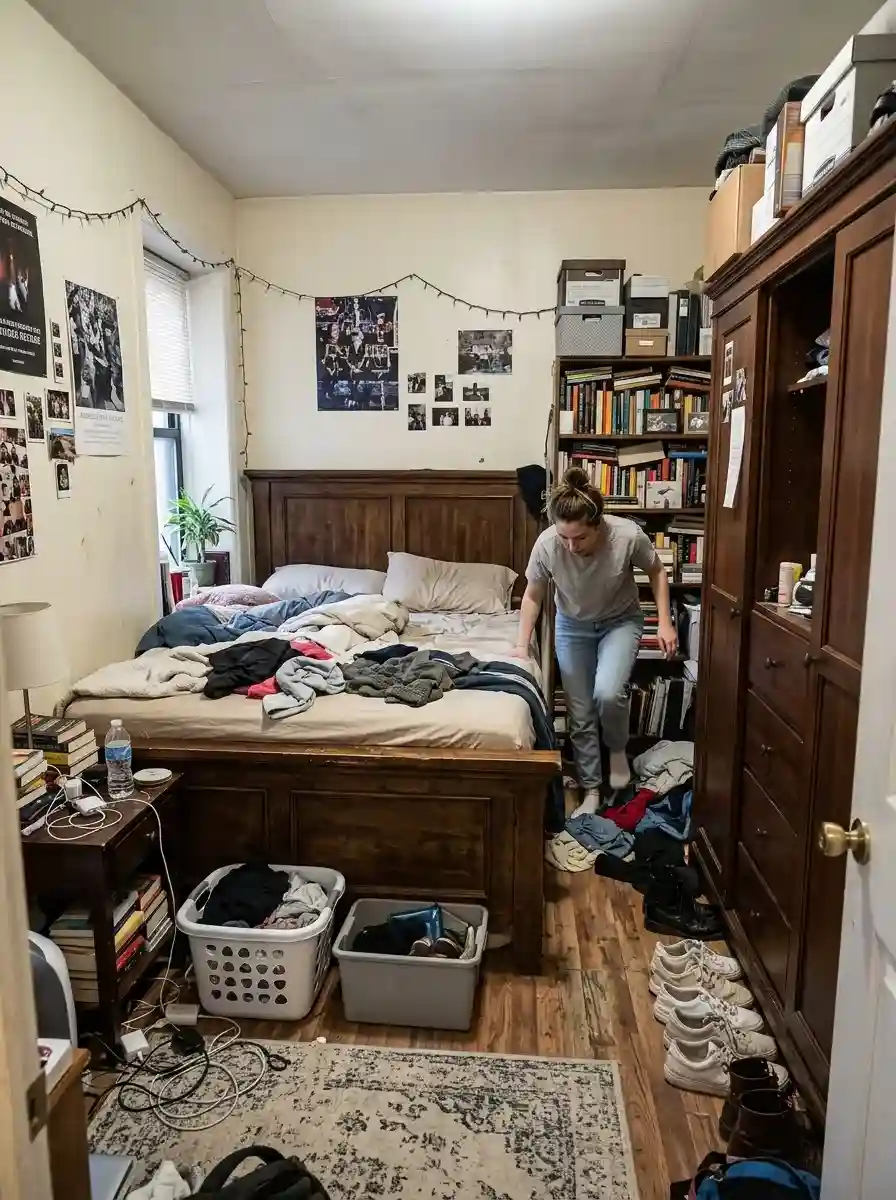
Oversized beds, deep dressers, bulky nightstands, and massive chairs instantly dominate tiny bedrooms visually. The room starts feeling emotionally compressed because movement and openness disappear quickly.
Small bedrooms emotionally work better with lighter furniture proportions that support smoother flow instead of consuming every pathway and corner aggressively.
Scale quietly shapes emotional comfort.
3. Blocking Natural Light With Tall Furniture
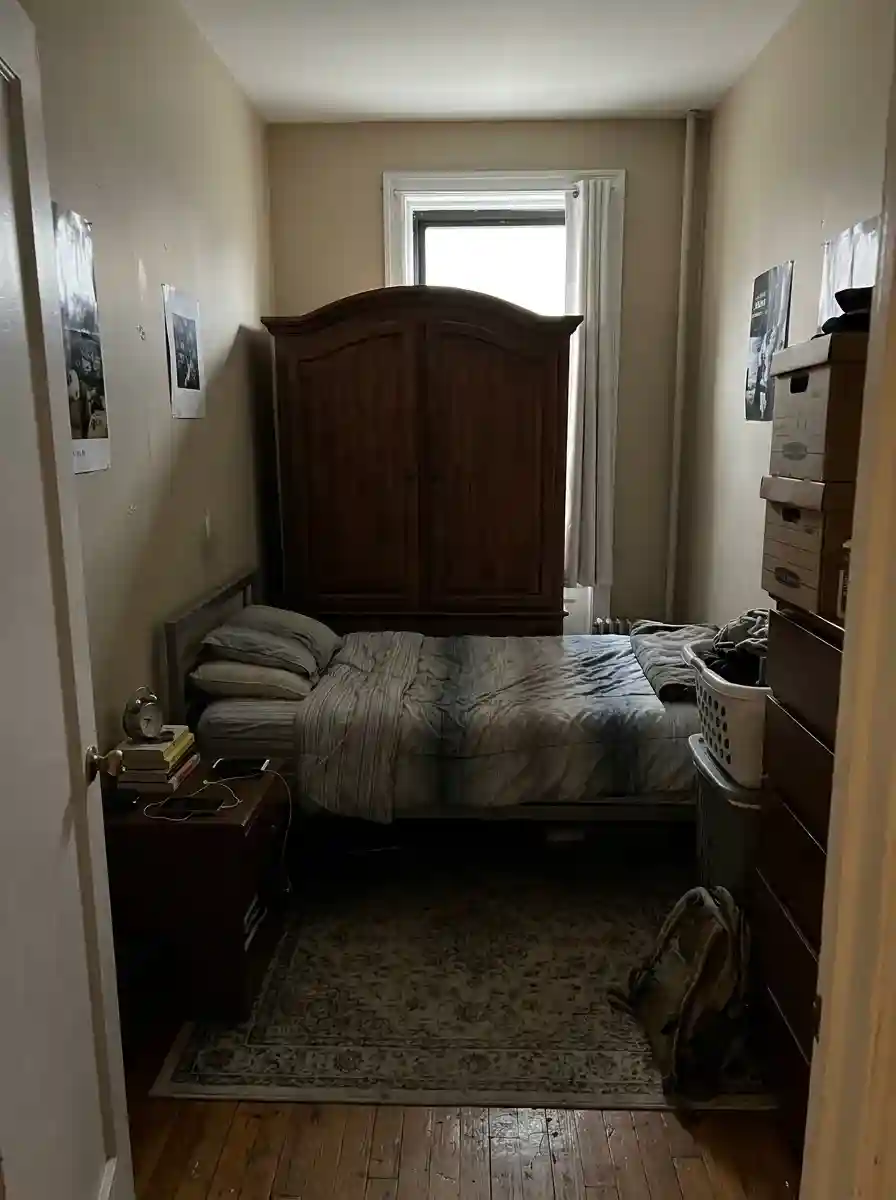
Natural light creates visual openness, but many small bedrooms accidentally block windows with wardrobes, shelving, or bulky storage units. This makes compact rooms feel darker, heavier, and visually smaller immediately.
Keeping taller furniture away from windows allows daylight to spread naturally across the room, creating softness and emotional breathing room.
Light flow changes perception constantly.
4. Filling Every Empty Corner With Storage
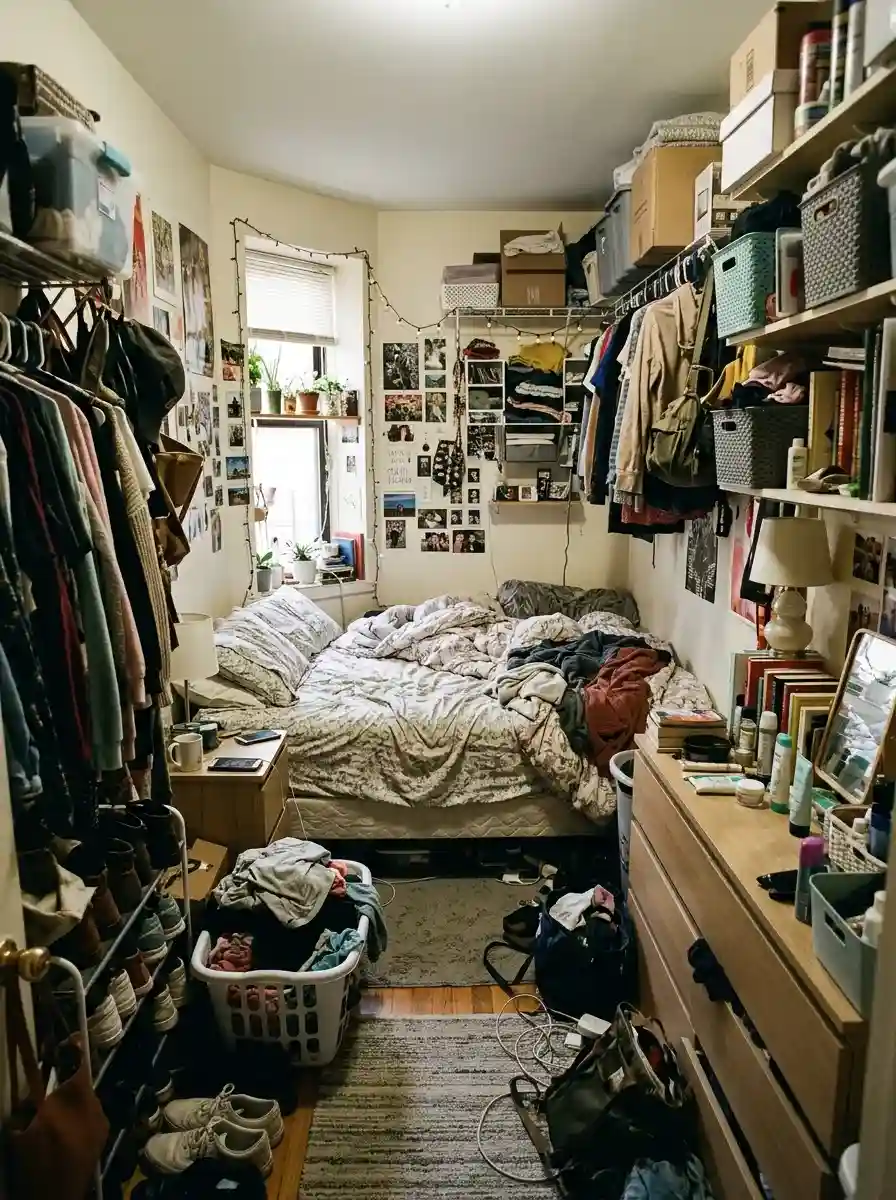
Tiny bedrooms often become emotionally exhausting because every corner gets packed with baskets, shelves, bins, or furniture. This creates constant visual interruption with nowhere for the eye to rest naturally.
Open corners actually help rooms feel calmer because visual breathing room exists. Better layouts balance storage with openness instead of aggressively maximizing every inch.
Empty space has emotional value too.
5. Using Too Many Small Storage Pieces
Multiple tiny storage units often create more visual chaos than one larger organized piece. Small bins, scattered shelves, rolling carts, and mismatched organizers fragment the room visually because every object competes separately for attention.
One cleaner dresser or integrated storage solution usually creates far more calmness emotionally.
Visual simplicity feels more spacious.
6. Overcrowding the Bed Area
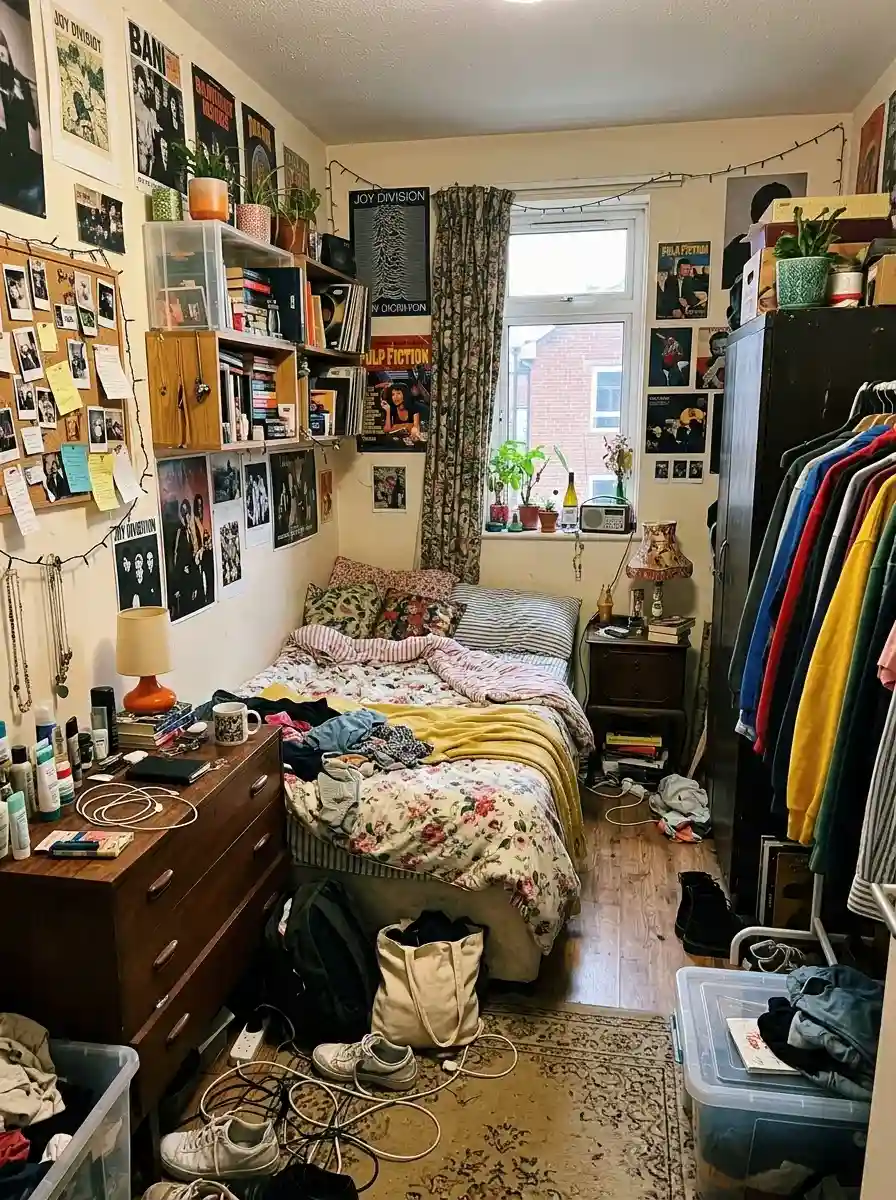
The sleeping zone should visually feel calm, but many small bedrooms overload this area with excessive pillows, crowded nightstands, shelves, charging cables, and decor.
Because the bed already dominates the room visually, too much surrounding clutter quickly creates emotional heaviness and mental overstimulation before sleep.
The bed area should visually support rest.
7. Ignoring Walking Flow Completely
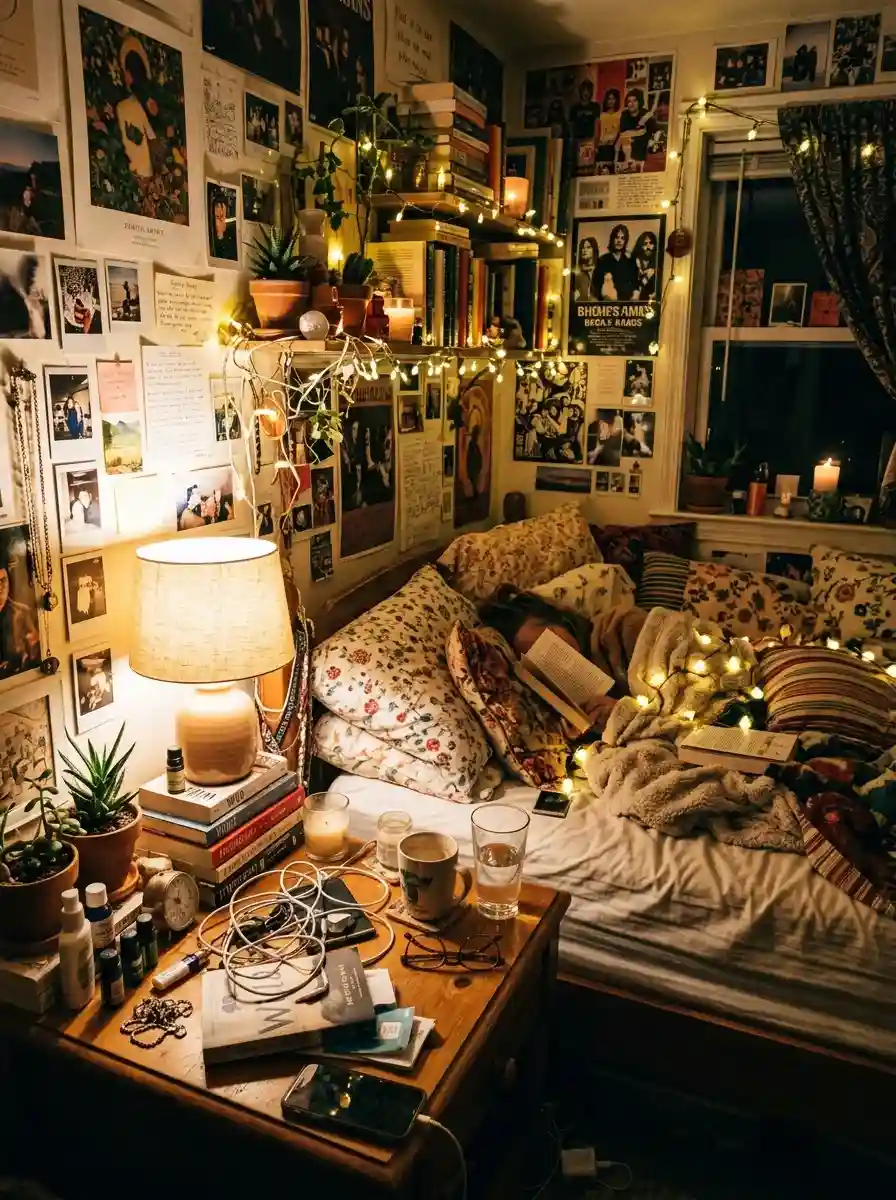
One hidden source of visual stress is poor movement flow. Constantly squeezing past furniture or navigating awkward pathways makes the room feel physically and emotionally restrictive.
Tiny bedrooms feel calmer when movement paths stay clear and natural. Better layouts reduce friction instead of constantly interrupting movement.
Smooth flow creates emotional openness too.
8. Mixing Too Many Furniture Styles and Colors
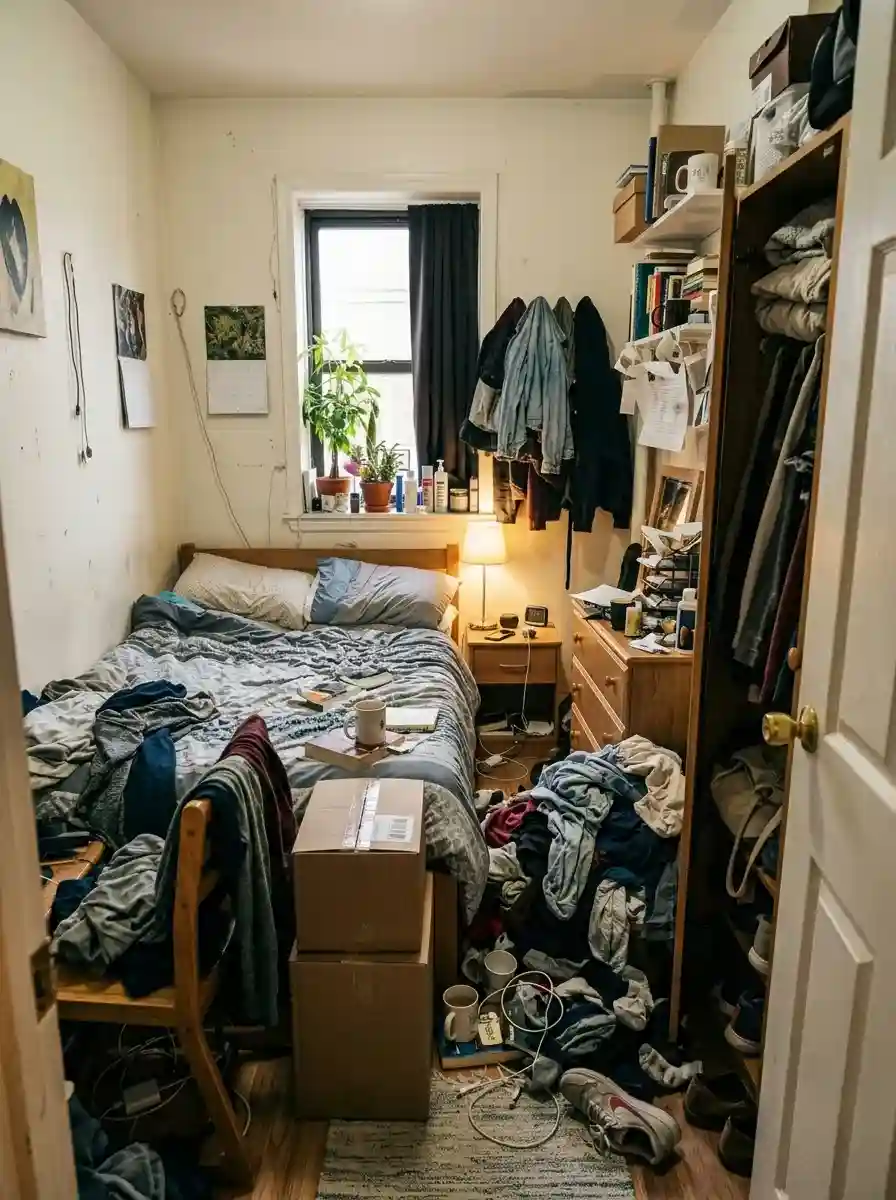
Tiny bedrooms quickly feel visually chaotic when every furniture piece looks unrelated. Different wood tones, random colors, oversized decor styles, and mismatched finishes create fragmentation that overwhelms the eye emotionally.
Cohesive palettes and consistent furniture styles create smoother visual flow naturally, even in compact layouts.
Consistency reduces mental noise.
9. Designing Around Storage Instead of Emotional Comfort
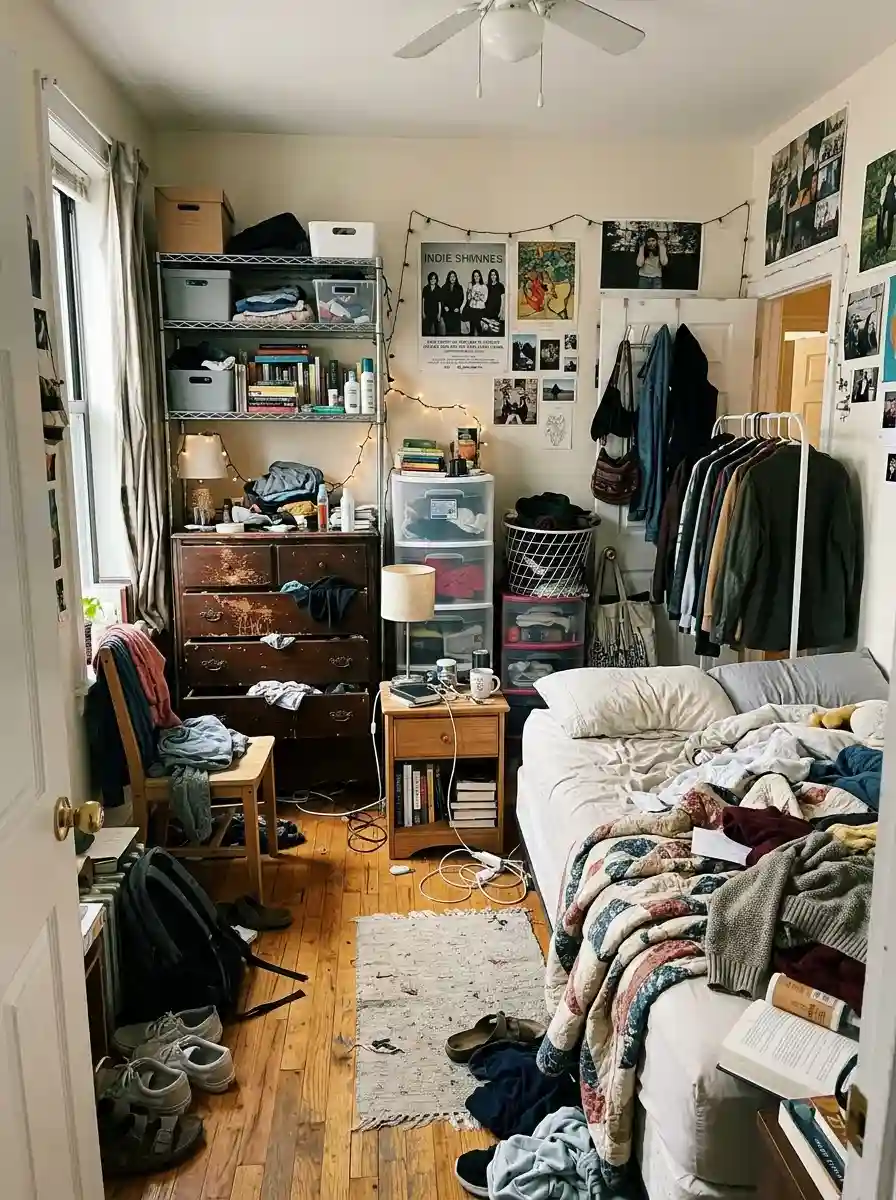
One of the biggest small-bedroom mistakes is treating the room like a storage puzzle instead of a place meant for rest and comfort. Over-optimizing every inch often creates layouts that feel emotionally cold and visually stressful.
The calmest bedrooms balance practicality with softness, openness, light flow, and emotional breathing room. Better layouts support daily life without constantly reminding people how small the room is.
A bedroom should not feel like a packed container.
Final Thoughts
Visual clutter in small bedrooms often begins with layout mistakes long before actual mess appears. Overcrowded furniture, blocked light, fragmented storage, and poor movement flow quietly create emotional stress that builds over time.
The best small bedroom layouts usually feel calmer because they reduce visual interruption instead of maximizing every inch aggressively. Cleaner pathways, lighter furniture, hidden storage, and intentional openness help compact spaces feel softer and easier to emotionally relax inside.
A good bedroom layout should not constantly fight for attention. It should quietly help the room feel calmer every single day.