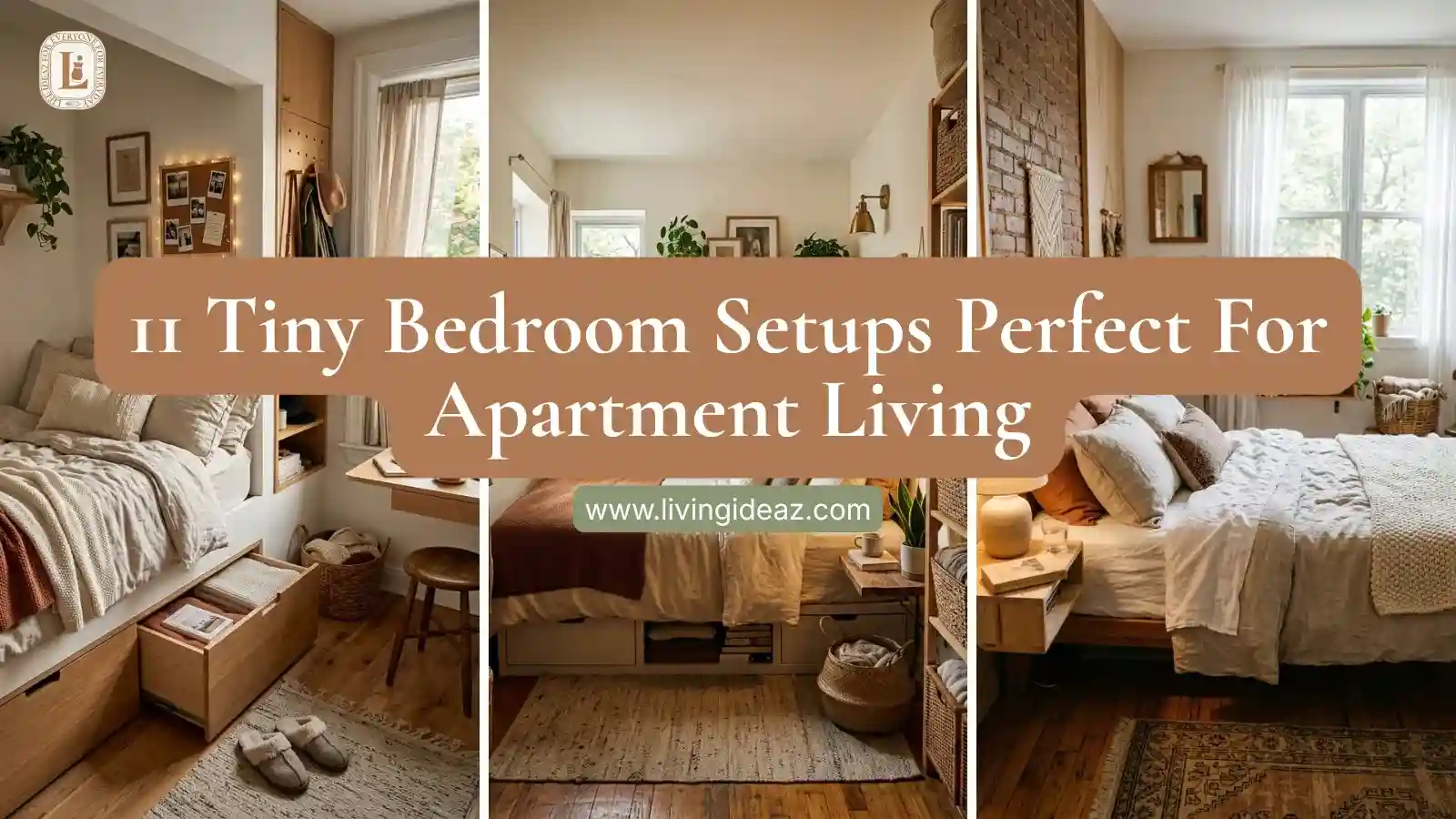
11 Tiny Bedroom Setups Perfect For Apartment Living
Tiny apartment bedrooms often end up carrying too much pressure for one small space. They become sleeping areas, workspaces, storage zones, dressing rooms, and quiet escape corners all at once. After a while, the room starts feeling visually crowded, emotionally exhausting, and difficult to fully relax inside, especially when every piece of furniture competes for space.
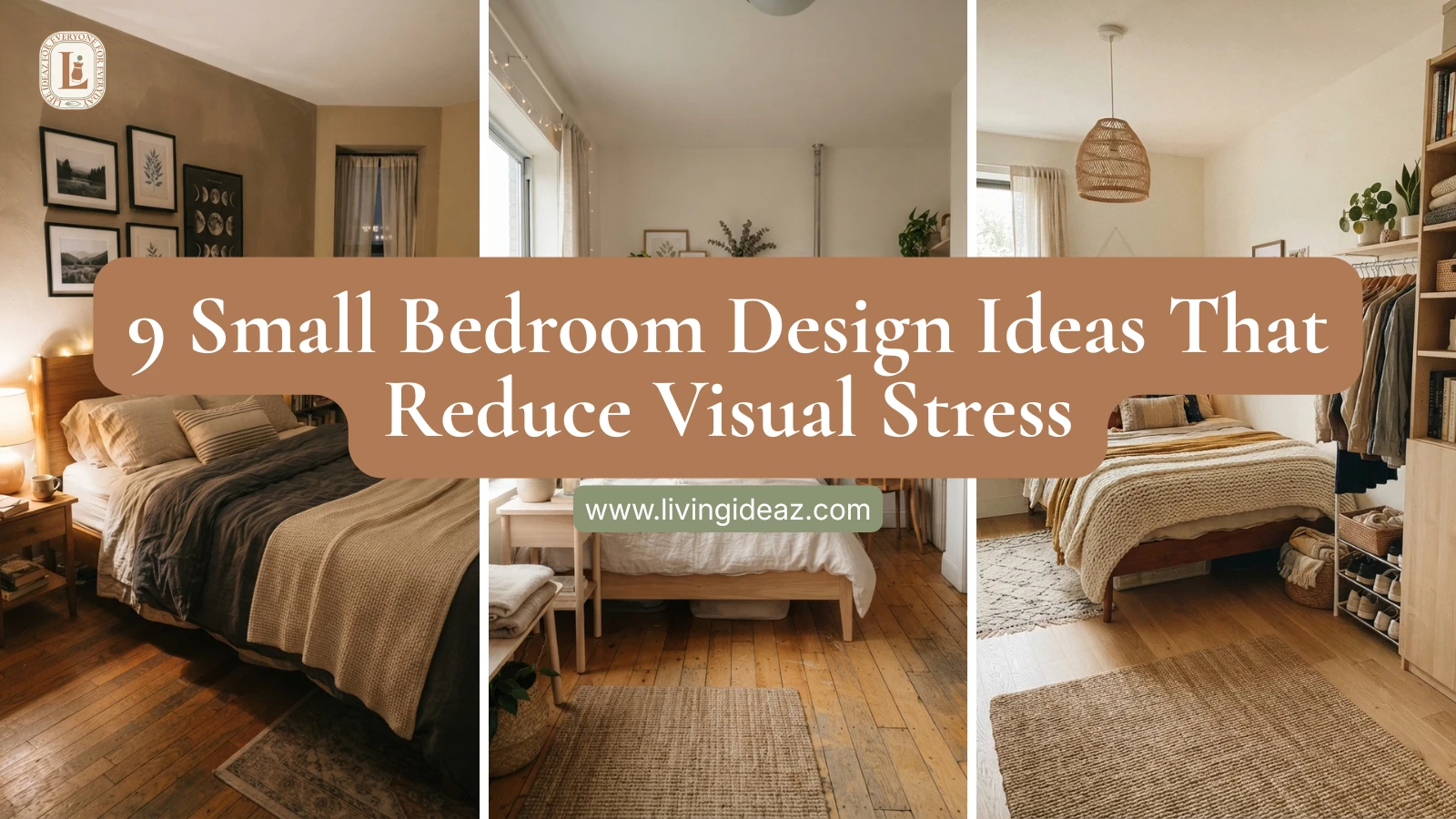
Most people assume apartment bedrooms feel cramped simply because they are small. In reality, the bigger issue is usually layout flow, visual clutter, and furniture placement that does not support everyday living properly. Small details like blocked movement paths, bulky furniture, and overcrowded corners quietly make rooms feel more stressful than they actually are, similar to these small bedroom layout mistakes that create visual clutter.
The good news is that tiny apartment bedrooms can feel dramatically calmer with smarter setups that balance comfort, openness, and functionality together.
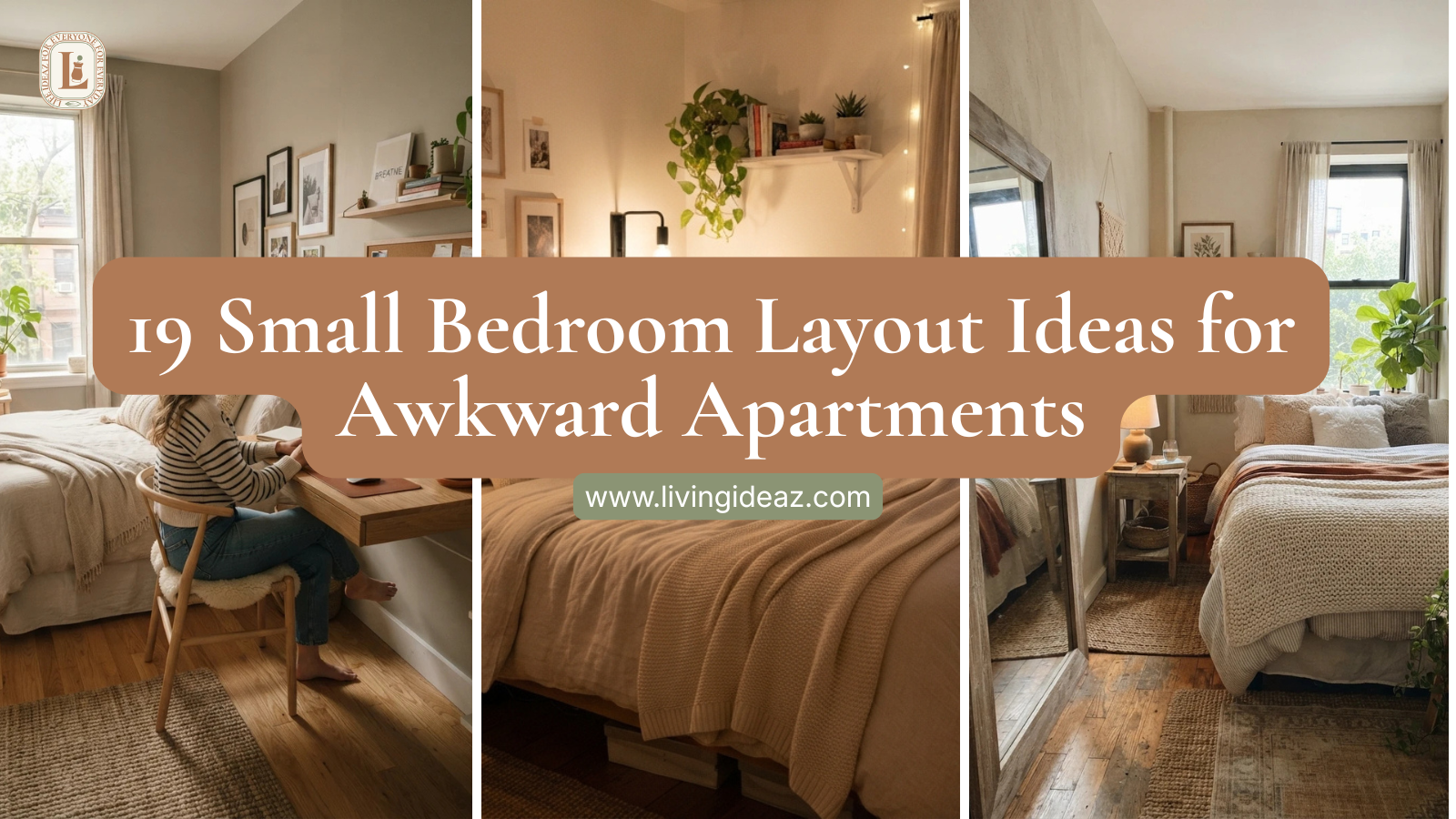
Better lighting, softer furniture layouts, hidden storage, and cleaner visual flow often create the kind of breathing room most people think only larger bedrooms can offer. Even difficult apartment layouts can feel significantly more livable with intentional furniture placement like these small bedroom layout ideas for awkward room shapes.
And sometimes, making a bedroom feel larger emotionally has less to do with adding more storage and more to do with reducing visual pressure altogether.
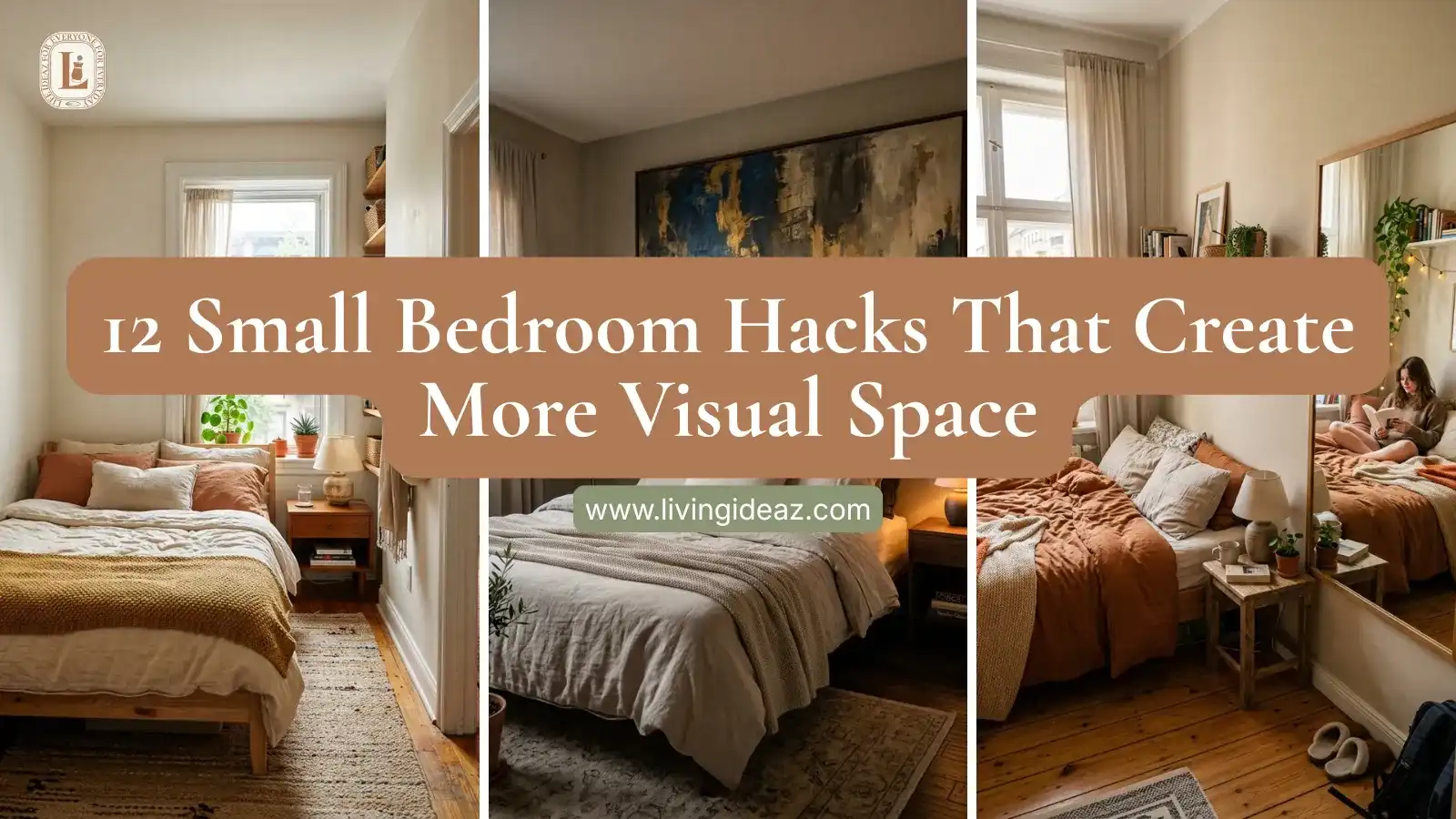
Tiny design decisions that improve openness, flooring visibility, and light flow can completely change how compact rooms feel daily, much like these small bedroom ideas that feel bigger without renovating. These apartment-friendly bedroom setups focus on creating spaces that feel calmer, softer, and much easier to live in realistically.
These apartment-friendly setups focus on making compact bedrooms feel easier to live in every single day without losing warmth or personality.
1. The Soft Minimal Apartment Setup
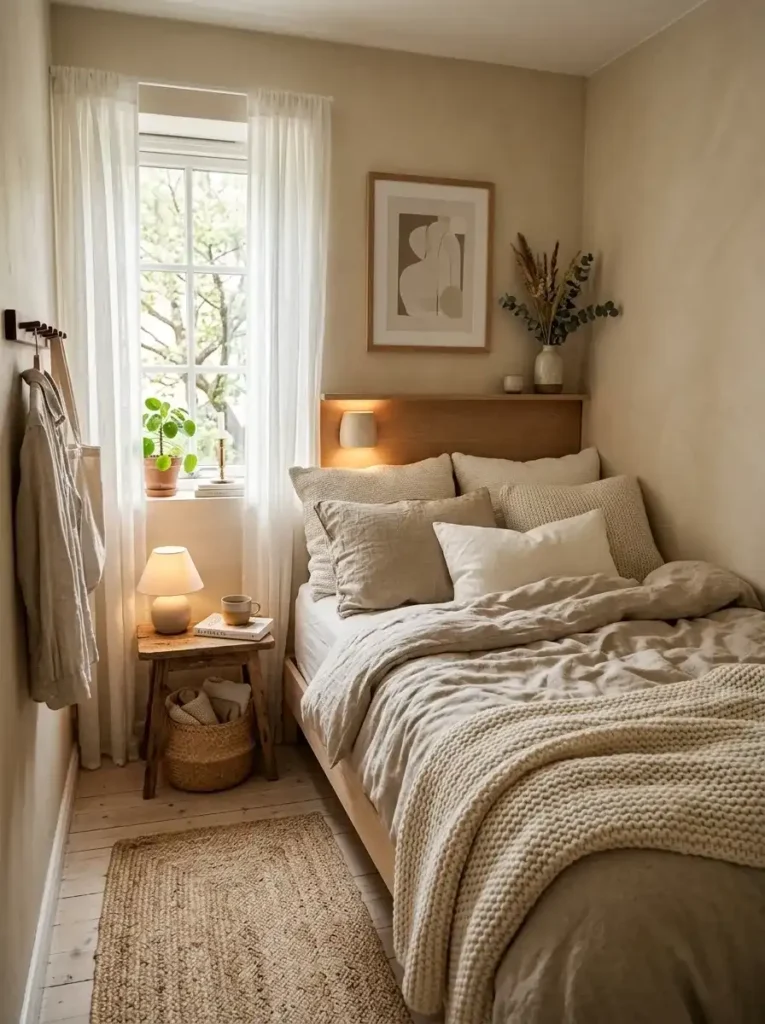
Some apartment bedrooms feel instantly calmer because they remove visual pressure instead of constantly adding more decor and storage. A soft minimal setup focuses on cleaner surfaces, lighter furniture, layered neutrals, and fewer but better pieces.
This does not mean making the room emotionally cold. Warm bedding, soft textures, and ambient lighting keep the space feeling human and comforting instead of sterile.
Minimalism works best when it still feels livable.
2. The Storage-Focused Cozy Setup
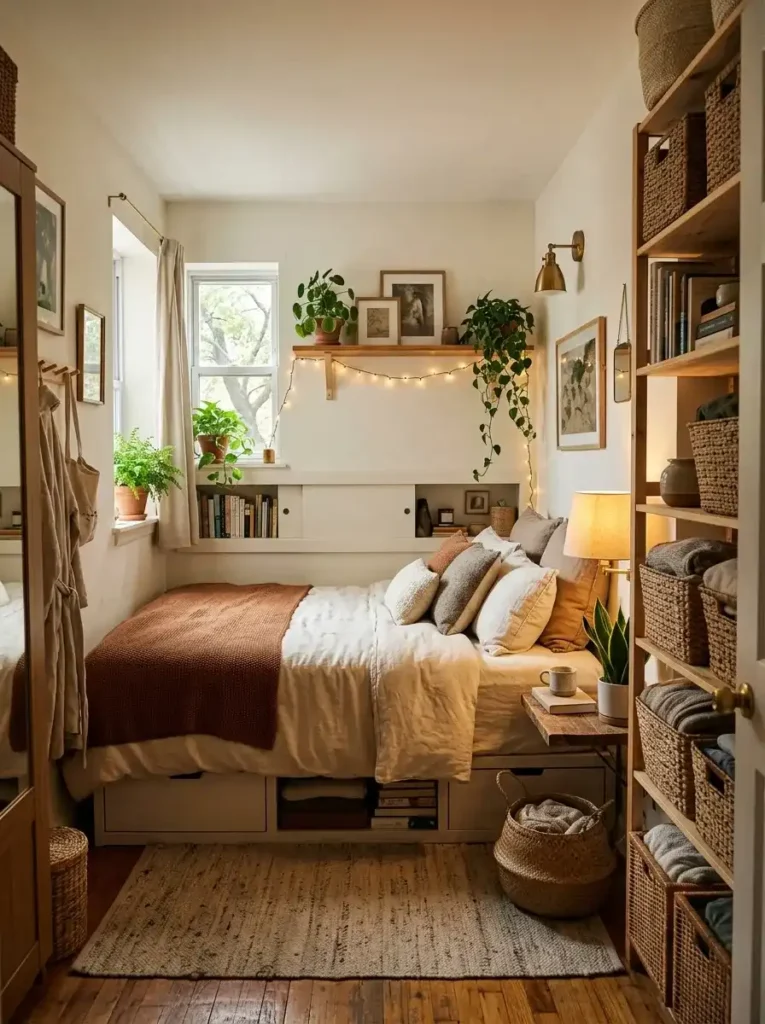
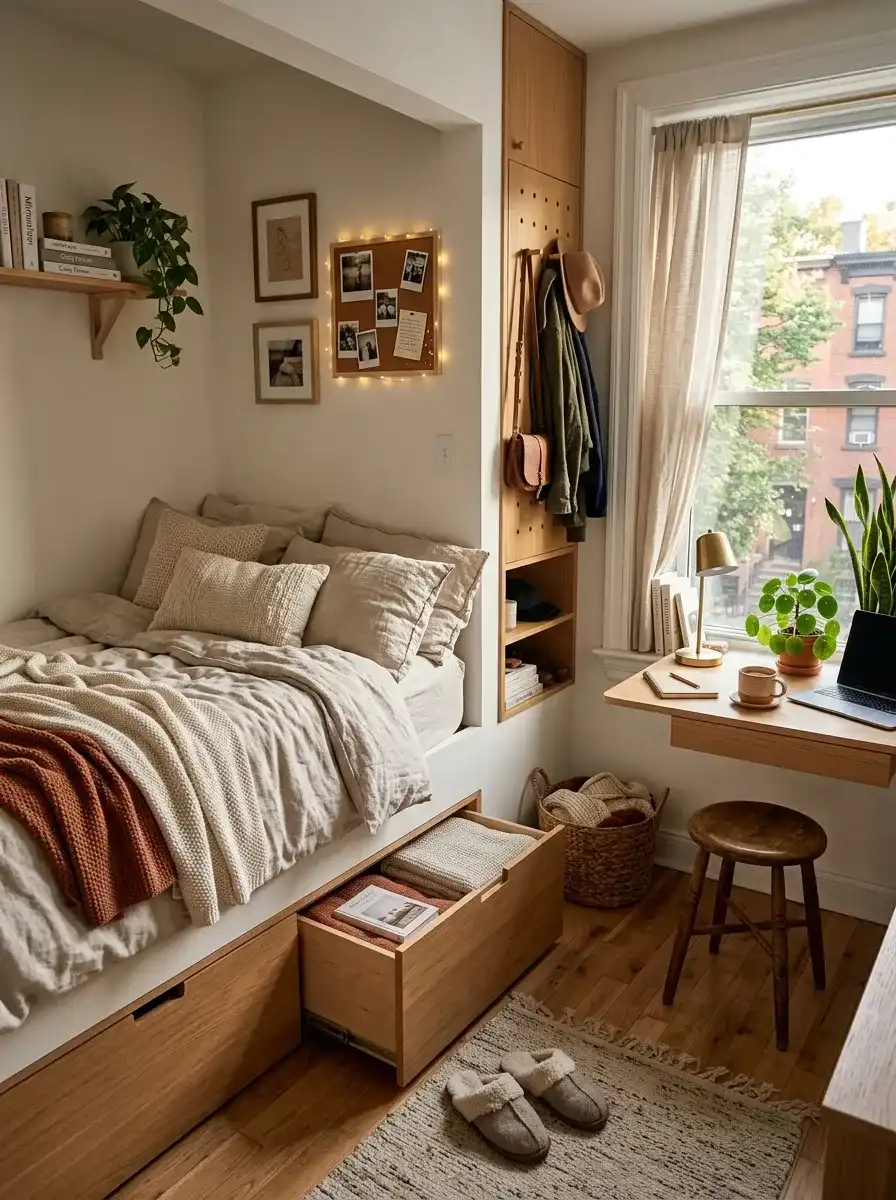
Apartment living usually means limited closet space, which is why hidden storage becomes essential. Storage beds, woven baskets, slim dressers, and benches with compartments help tiny bedrooms stay calmer visually.
The key is making storage feel integrated instead of aggressively practical. Warm materials and softer textures prevent the room from feeling like a utility closet.
Good storage should emotionally disappear.
3. The Work-From-Home Bedroom Setup
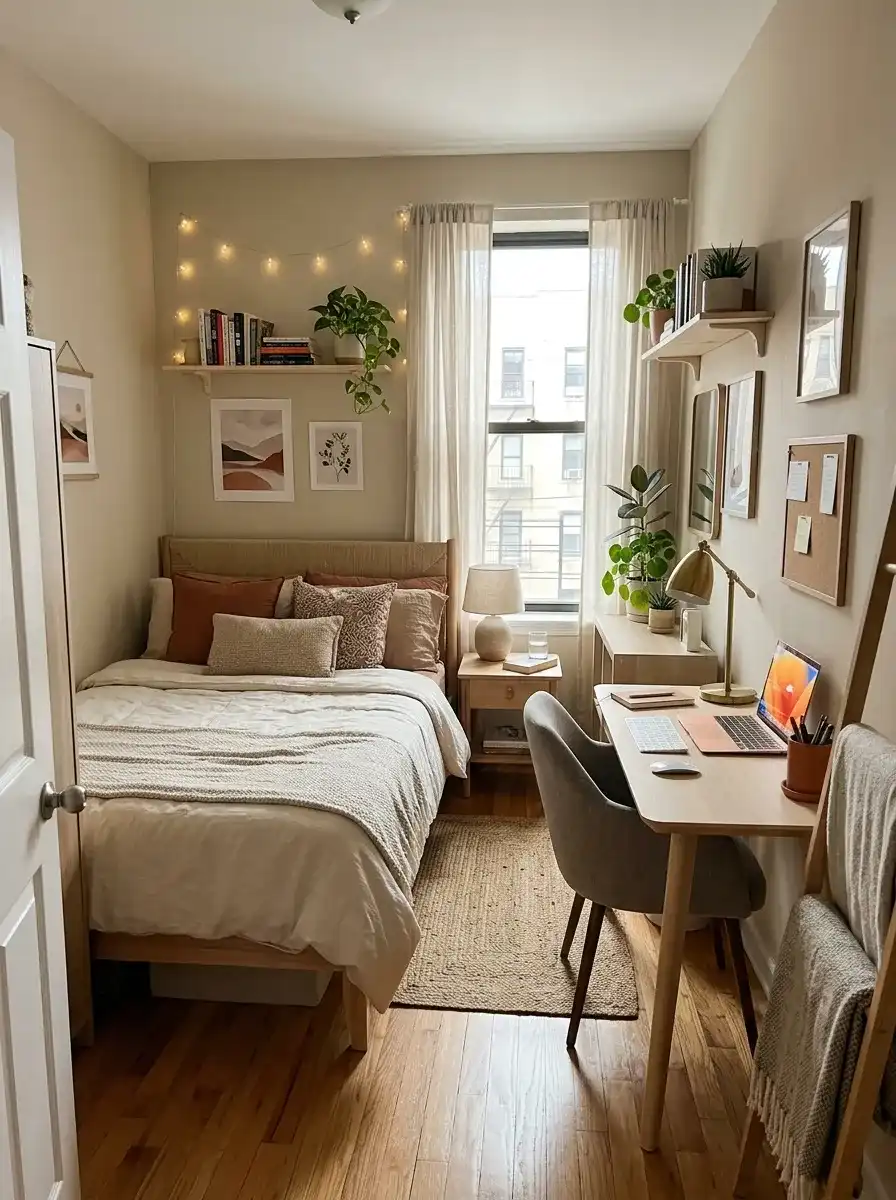
Many apartment bedrooms now double as workspaces, but oversized office furniture quickly overwhelms tiny rooms emotionally. Slim floating desks, wall-mounted shelves, and visually lighter setups help preserve relaxation while still supporting productivity.
Separating the work zone slightly from the sleeping area with lighting or layout changes also helps the brain mentally transition at night.
Bedrooms should still emotionally feel restful.
4. The Warm Lighting Setup
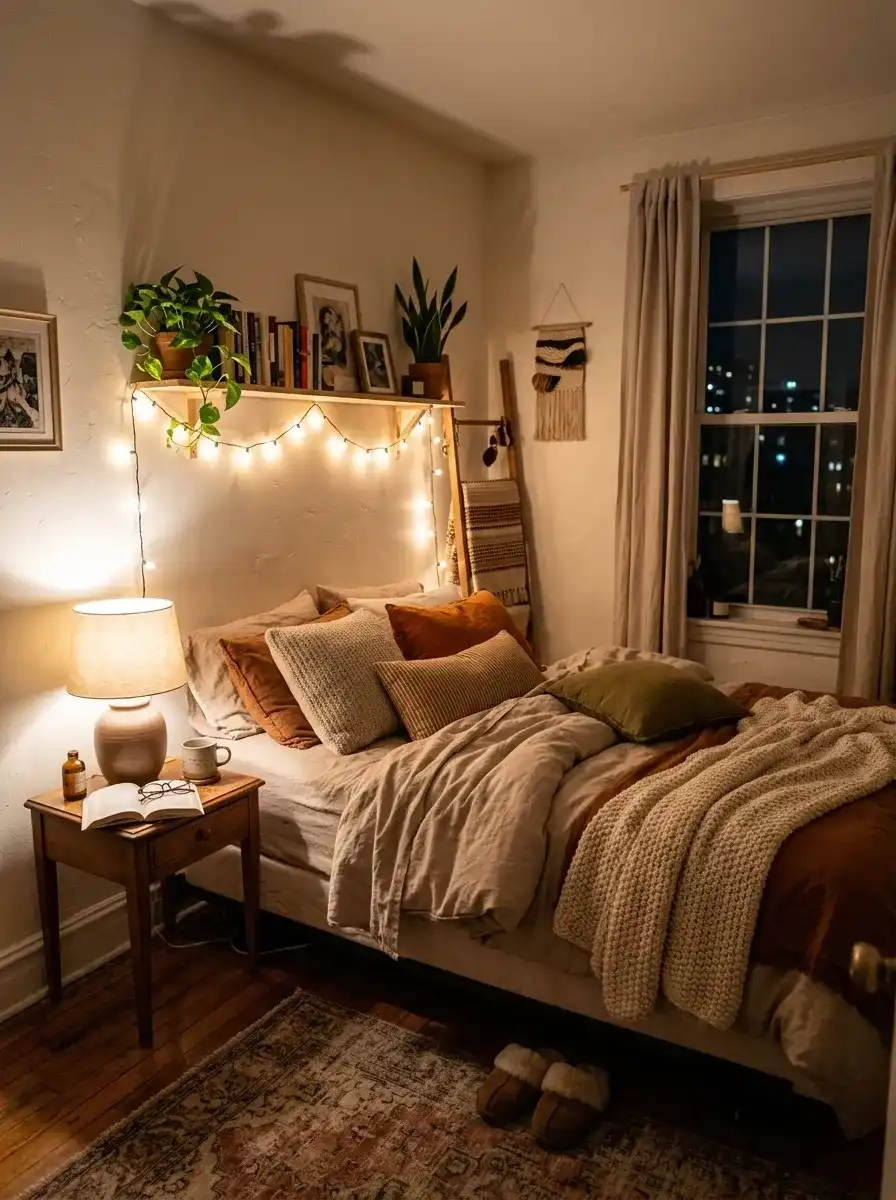
Lighting completely changes how tiny apartment bedrooms emotionally feel after dark. Harsh overhead bulbs often make compact rooms feel visually exposed and mentally overstimulating.
Warm bedside lamps, soft wall sconces, candles, and layered ambient glow create emotional softness that instantly makes apartments feel more comforting.
Cozy lighting often matters more than expensive decor.
5. The Open Floor Layout Setup
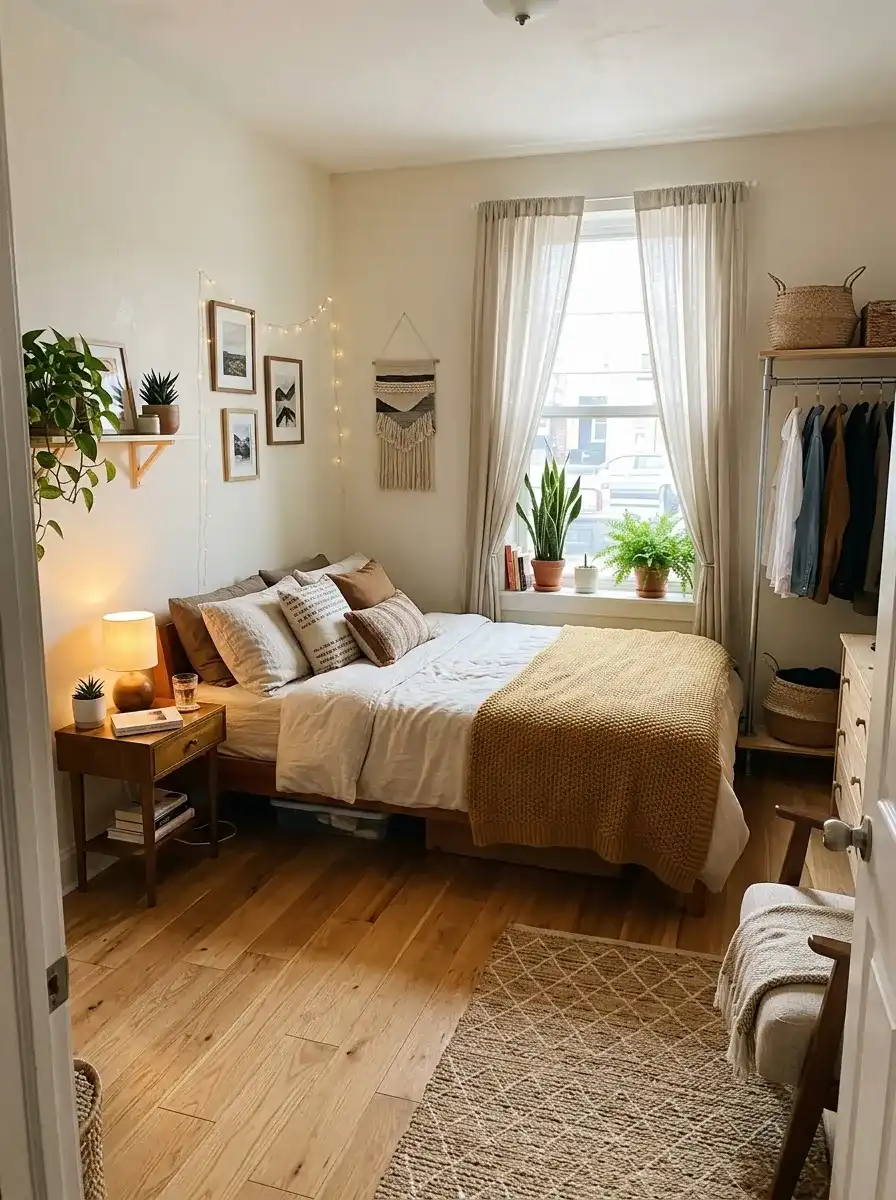
Apartment bedrooms feel significantly calmer when more flooring remains visible. Floating furniture, slimmer storage pieces, and cleaner movement paths help the room feel more breathable emotionally.
Visible floor space creates psychological openness because the eye can move through the room naturally instead of stopping at visual clutter constantly.
Open layouts reduce emotional heaviness.
6. The Relaxing Window Setup
Natural light quietly changes apartment bedrooms emotionally. Positioning the bed or a cozy chair near soft daylight creates warmth and openness that compact spaces desperately need.
Sheer curtains help diffuse harsh sunlight beautifully while still keeping the room airy and breathable. Tiny bedrooms emotionally soften when daylight becomes part of the atmosphere instead of blocked by heavy furniture.
Soft light creates calmness naturally.
7. The Soft Texture Setup
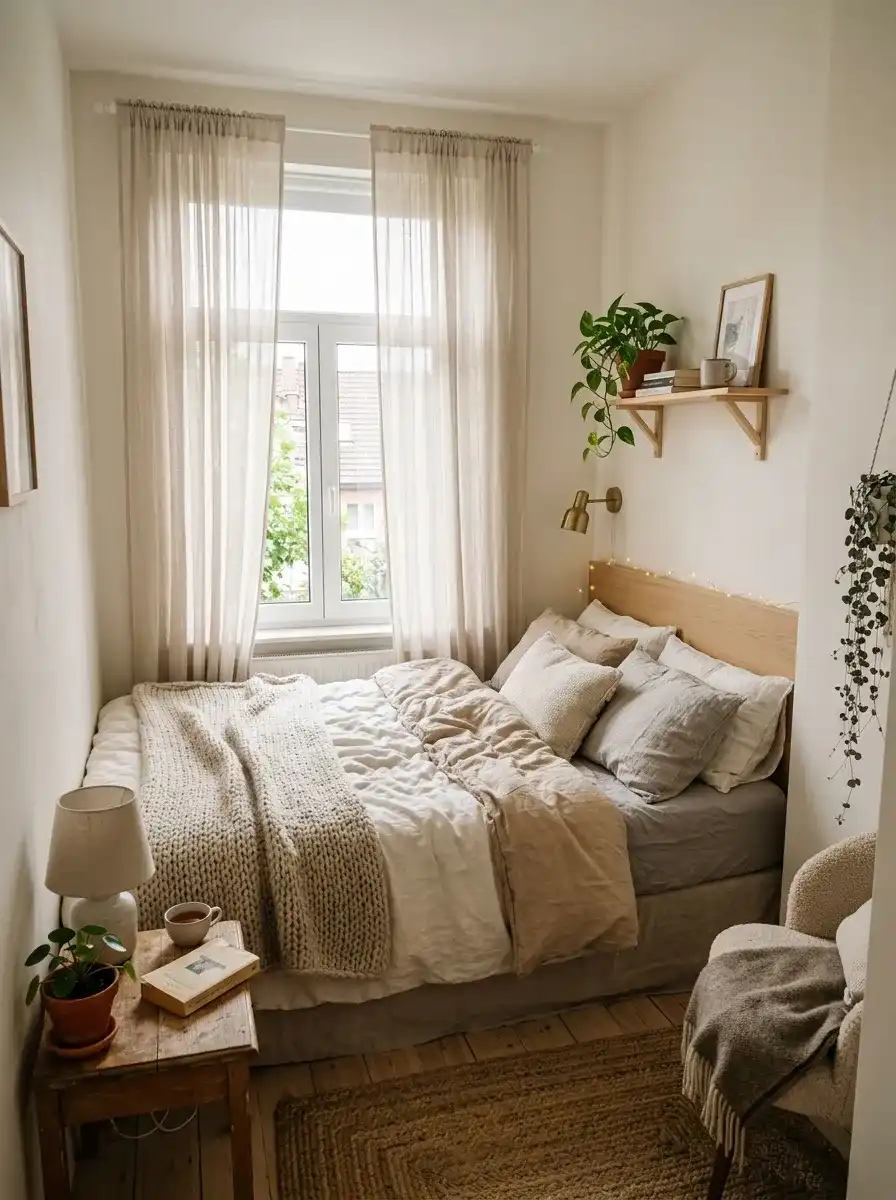
Apartment bedrooms often feel emotionally colder because hard surfaces dominate visually. Layered textures instantly soften compact spaces without adding clutter.
Linen bedding, knit throws, woven rugs, cotton curtains, and warm wood tones create richness while still keeping the room visually calm and breathable.
Texture creates comfort quietly.
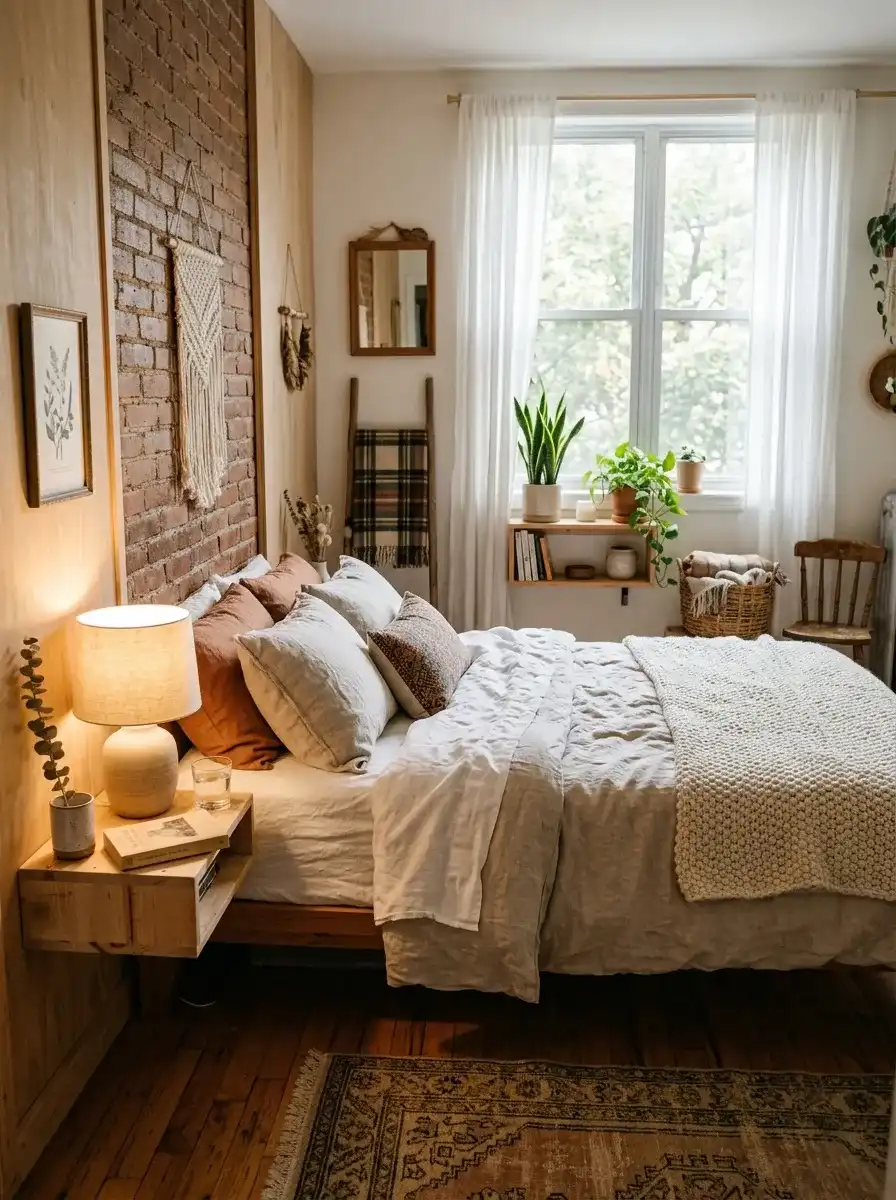
8. The Calm Bedside Setup
Nightstands often become clutter magnets in tiny bedrooms. Chargers, water bottles, random receipts, and scattered objects quietly create visual stress before sleep.
A calmer bedside setup with one warm lamp, cleaner surfaces, and minimal essentials makes the room feel emotionally softer at night. Tiny bedrooms emotionally benefit from reduced visual noise near sleeping areas.
The bed zone should visually feel restful.
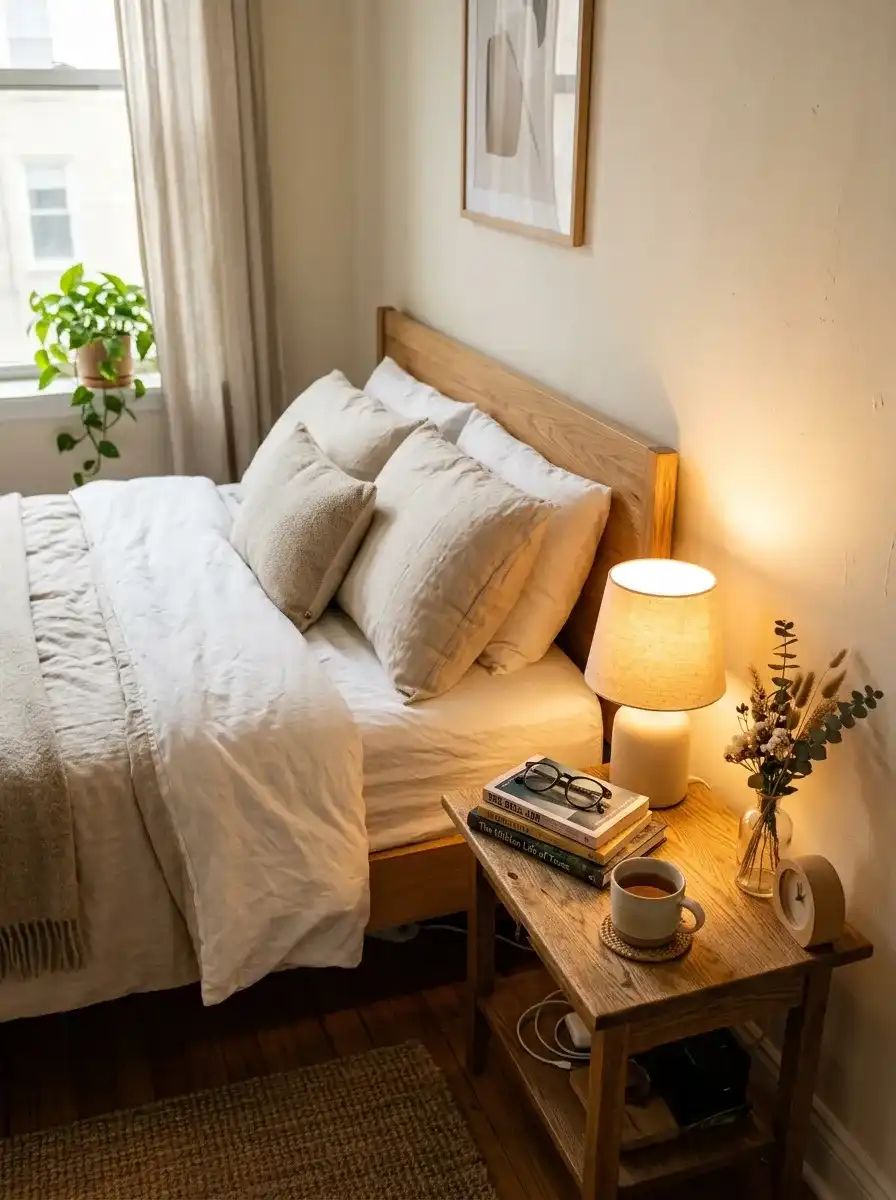
9. The Balanced Furniture Setup
Tiny apartment bedrooms become stressful when furniture sizes overwhelm the room. Oversized beds, bulky dressers, and deep nightstands quickly destroy movement flow.
Balanced furniture proportions create openness because the room finally feels designed around comfort instead of maximum storage. Slim furniture usually creates calmer apartment layouts emotionally.
Scale matters more than people realize.
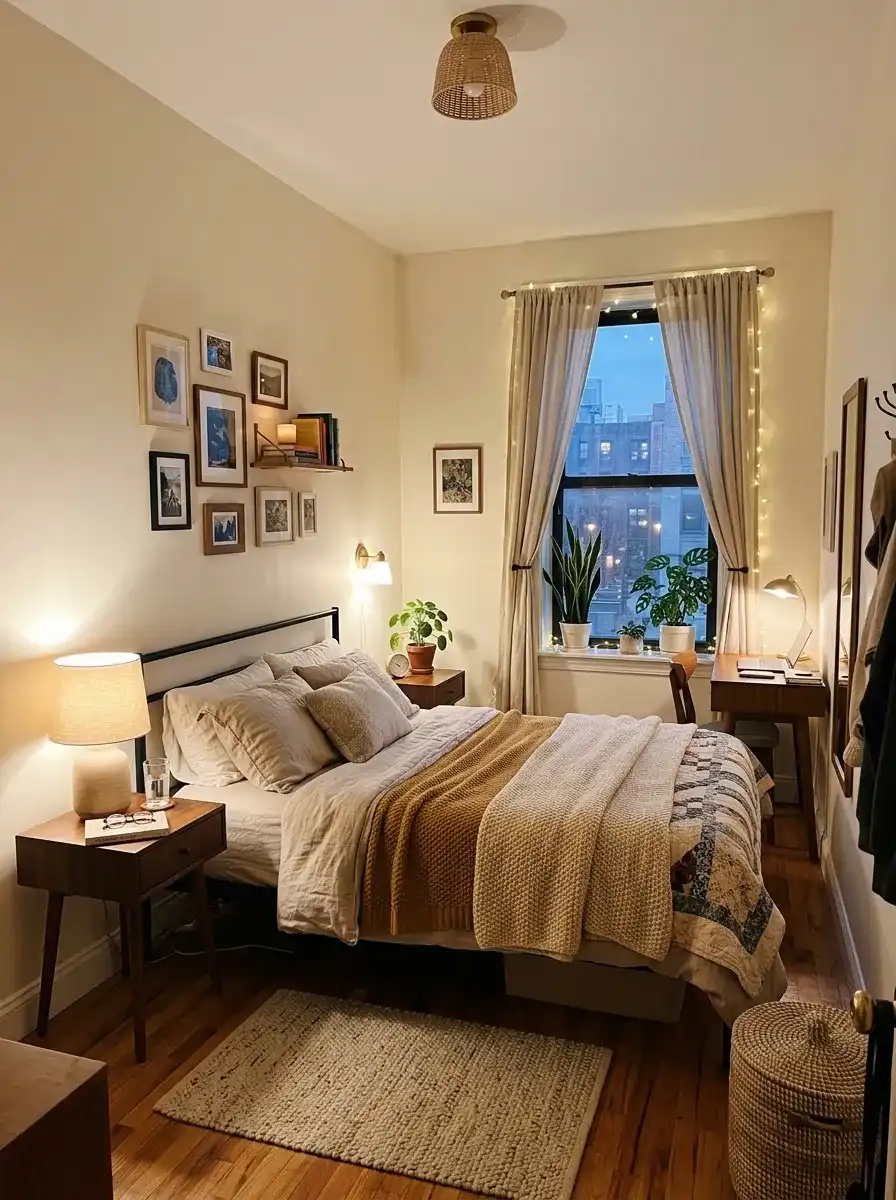
10. The Emotionally Calm Setup
Some apartment bedrooms technically look beautiful but still feel mentally exhausting because every surface and decor piece demands attention constantly.
The calmest setups reduce visual noise through softer lighting, cleaner layouts, hidden clutter, cohesive colors, and intentional spacing. Tiny bedrooms emotionally improve when the room stops overstimulating the nervous system.
Calmness often feels more luxurious than trendiness.
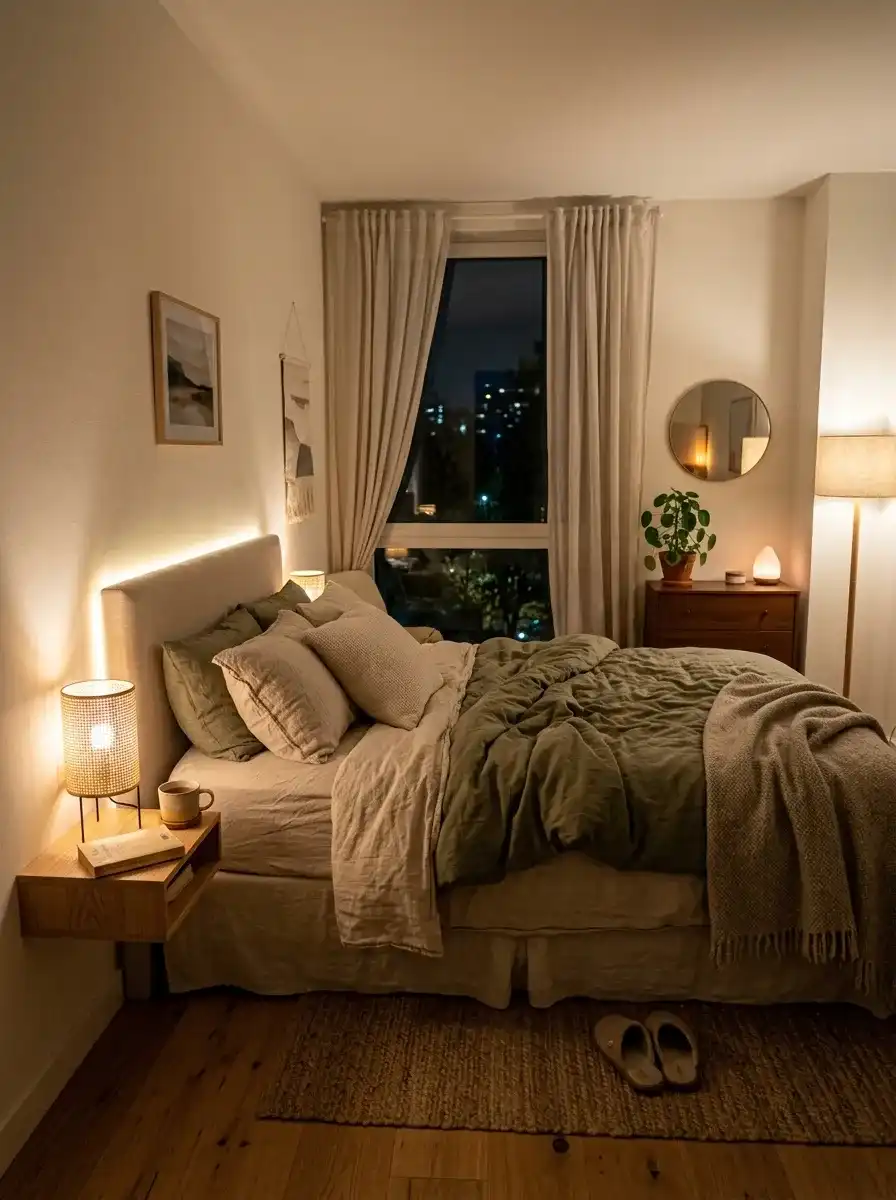
11. The Real-Life Apartment Setup
The best apartment bedroom setups are the ones that support real life realistically. Easy charging access, hidden laundry storage, practical hooks, smooth movement flow, and furniture that fits the room properly matter more than staged perfection.
Tiny bedrooms emotionally feel better when the setup quietly reduces daily friction instead of creating more maintenance and visual stress.
A good bedroom should help life feel easier after long exhausting days.
Final Thoughts
Tiny apartment bedrooms feel best when the setup balances practicality, softness, and emotional calm instead of trying to impress visually at all times.
The most comforting apartment bedrooms usually rely on smoother movement, layered lighting, hidden clutter, lighter furniture, and warm textures that make compact spaces feel breathable and emotionally safer. Small rooms become more beautiful when they finally support everyday life gently.
A good apartment bedroom should not just save space. It should quietly help people feel calmer the moment they come home.