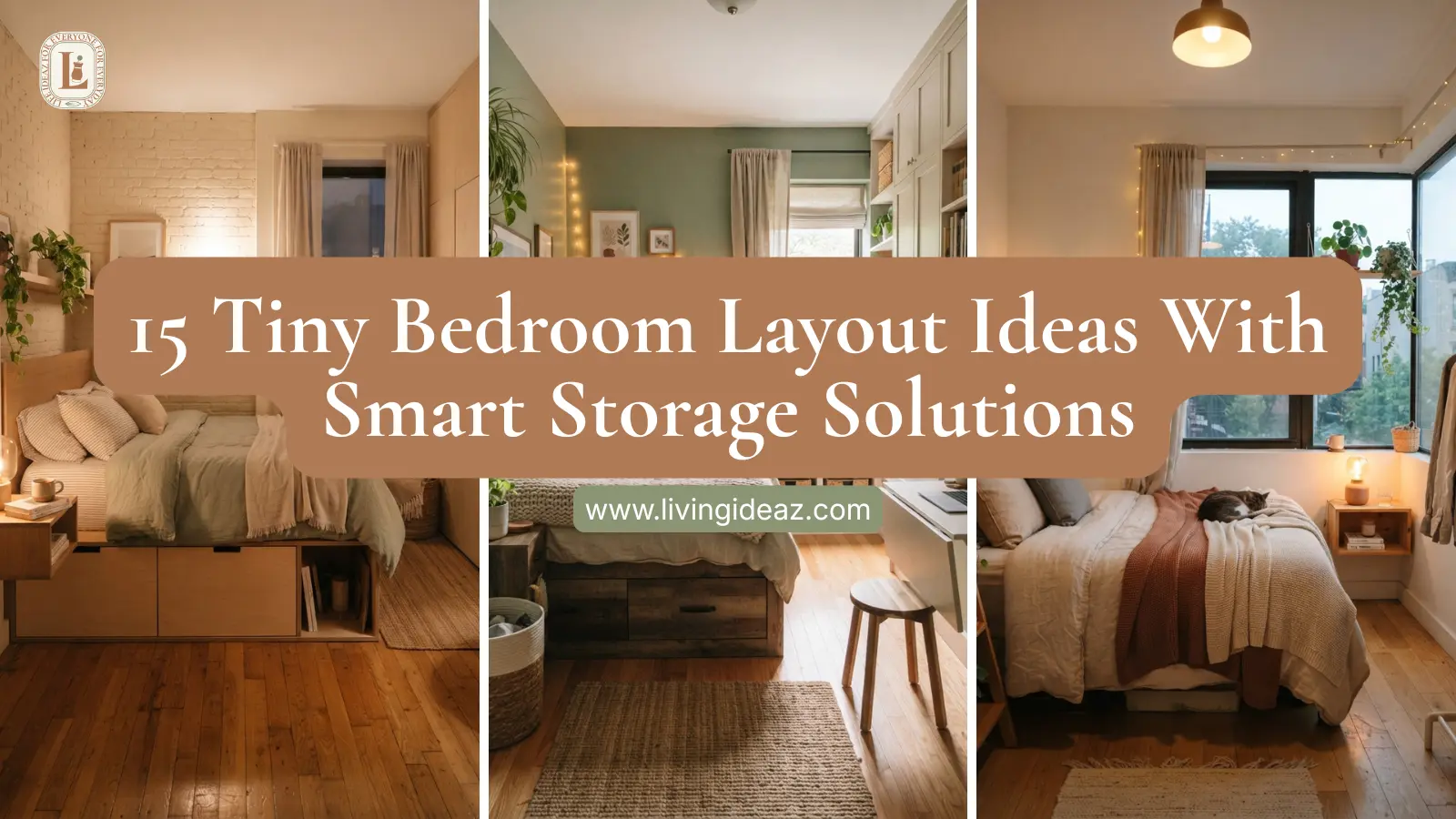
15 Tiny Bedroom Layout Ideas With Smart Storage Solutions
TL;DR
Tiny bedrooms become overwhelming when storage gets added randomly instead of becoming part of the layout itself. Extra bins, bulky shelves, and overcrowded corners often make rooms feel smaller emotionally even when they technically add organization. The smartest tiny bedroom layouts combine hidden storage, smoother movement flow, and visually lighter furniture arrangements that make compact spaces feel calmer, more functional, and easier to live in every day.
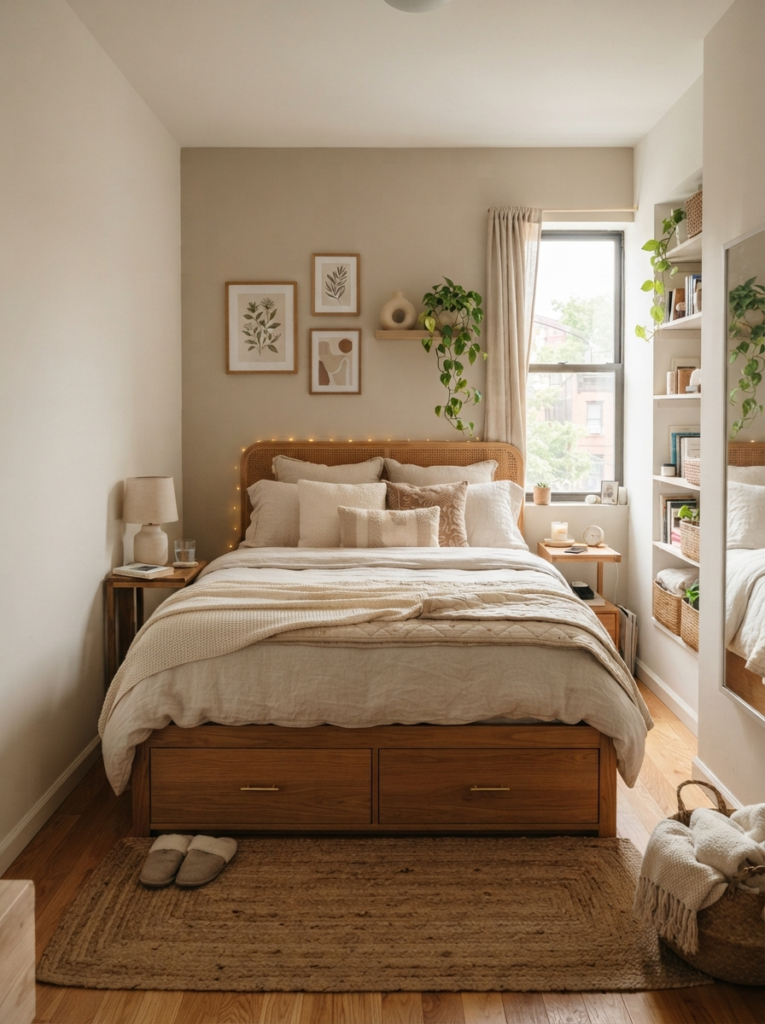
1. The Centered Bed With Under-Bed Storage Layout
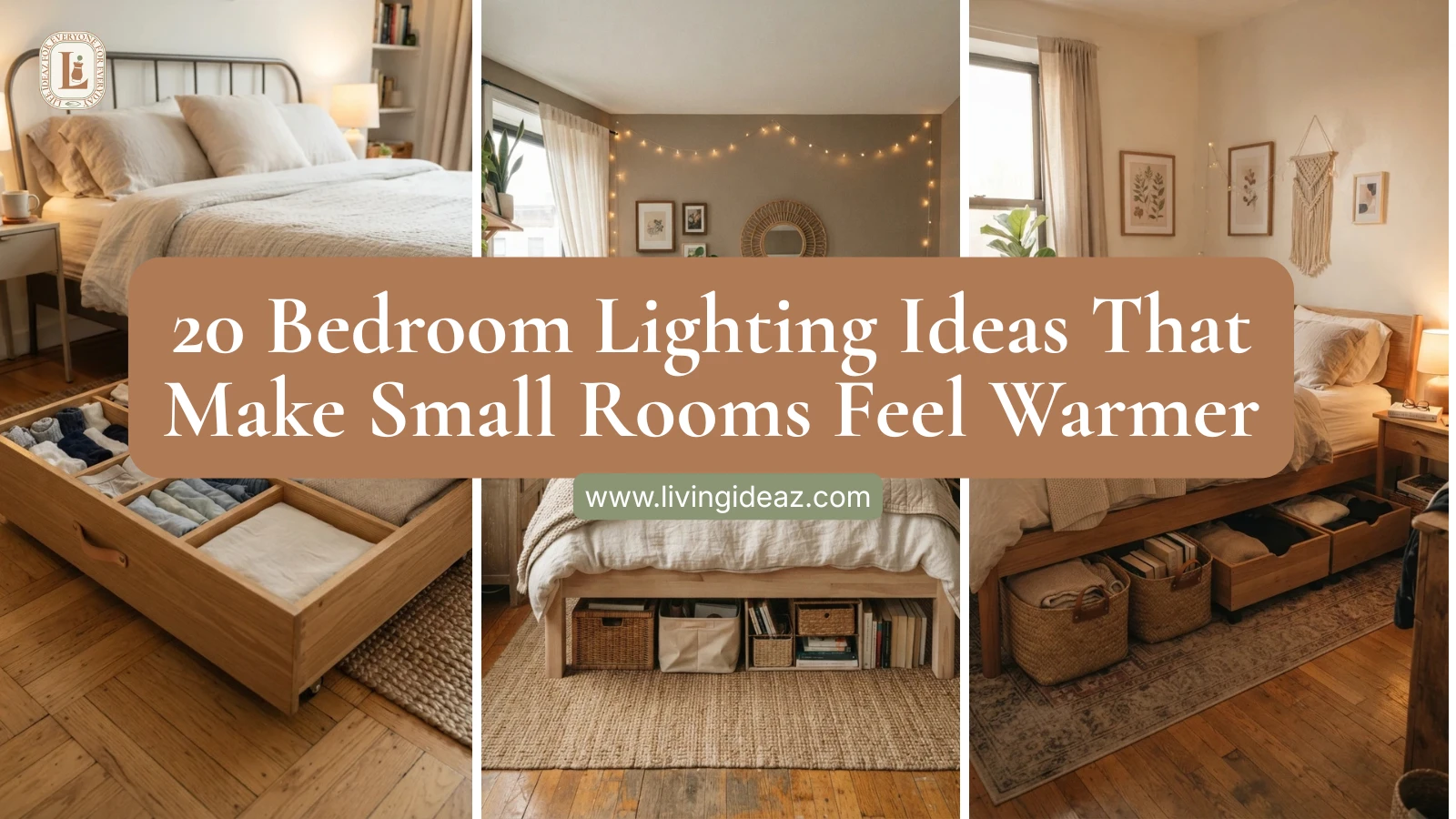
Centering the bed creates balance that instantly makes tiny bedrooms feel calmer emotionally. Adding under-bed drawers or rolling storage containers keeps clutter hidden without introducing more bulky furniture into the layout.
This setup works especially well in apartments where floor space disappears quickly. The room still feels open visually because storage stays integrated instead of scattered around separately.
Hidden storage creates visual quietness.
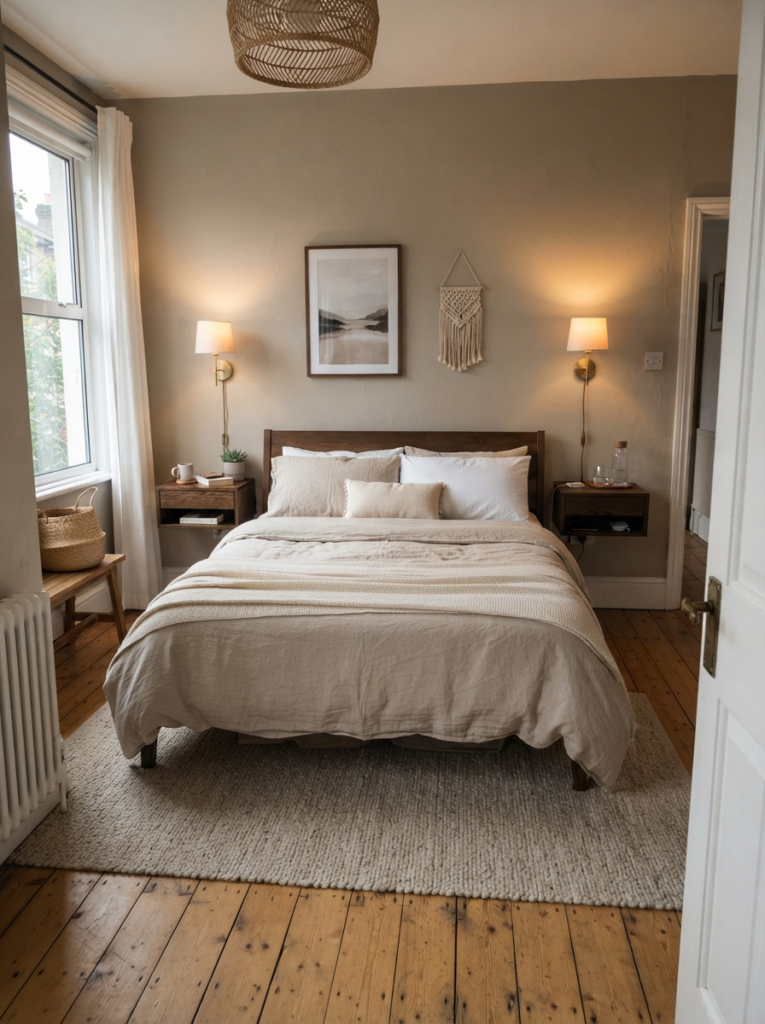
2. The Floating Nightstand Layout
Floating nightstands reduce visual heaviness because more flooring remains visible underneath. Tiny bedrooms instantly feel more breathable when furniture visually lifts off the ground slightly.
Pairing floating nightstands with wall sconces also reduces bedside clutter naturally since table lamps no longer consume surface space. Better layouts often come from reducing visual interruption rather than adding more storage furniture.
Open flooring creates emotional openness.
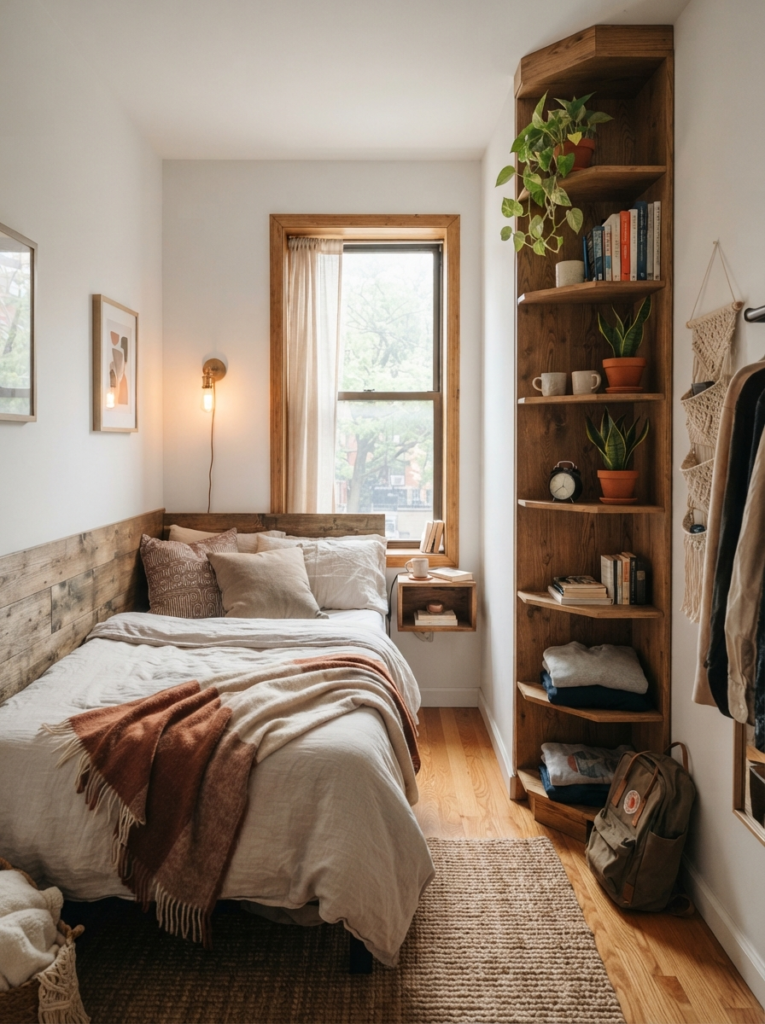
3. The Vertical Corner Storage Layout
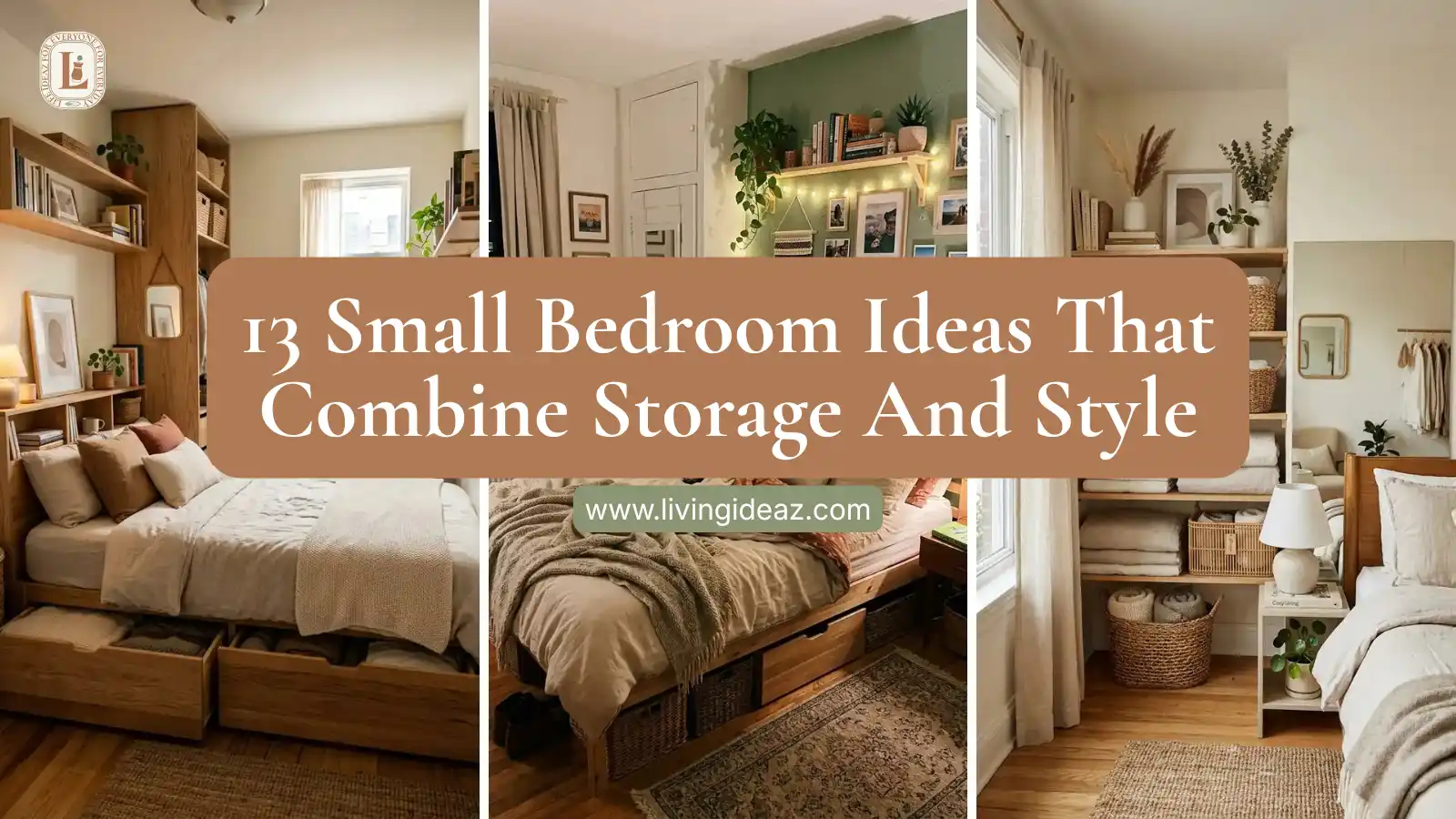
Awkward bedroom corners often become clutter traps automatically. Slim vertical shelving or narrow storage cabinets help use upward space while preserving cleaner movement flow across the room.
This layout works beautifully for books, folded clothing, baskets, or decor without visually overcrowding the center of the room. Tiny spaces emotionally feel calmer when floor areas remain more open.
Height creates breathing room psychologically.
4. The Storage Bench Footboard Layout
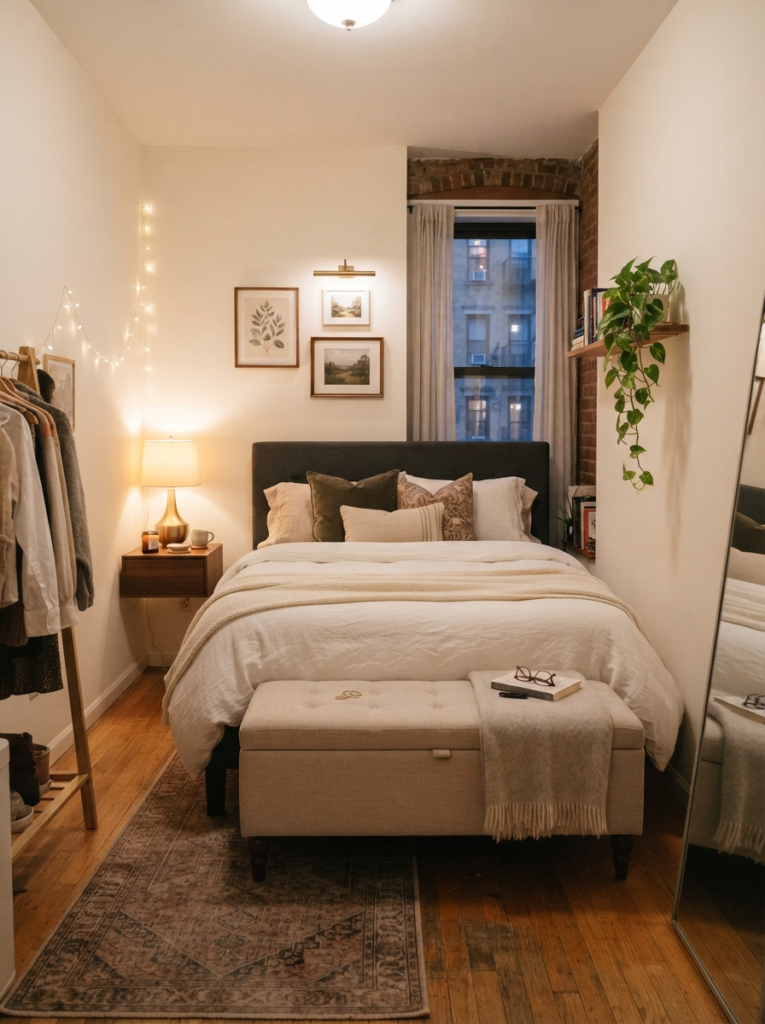
A storage bench at the foot of the bed creates hidden organization while visually completing the room more elegantly than random bins or loose storage containers.
This setup works especially well for extra bedding, seasonal clothing, or miscellaneous clutter that would otherwise spread around the room. Upholstered benches also soften the atmosphere emotionally.
Functional layouts should still feel cozy.
5. The Open Walking Path Layout
Tiny bedrooms feel significantly calmer when movement pathways stay visually clear. Layouts with blocked walkways often create low-level frustration because movement constantly feels interrupted.
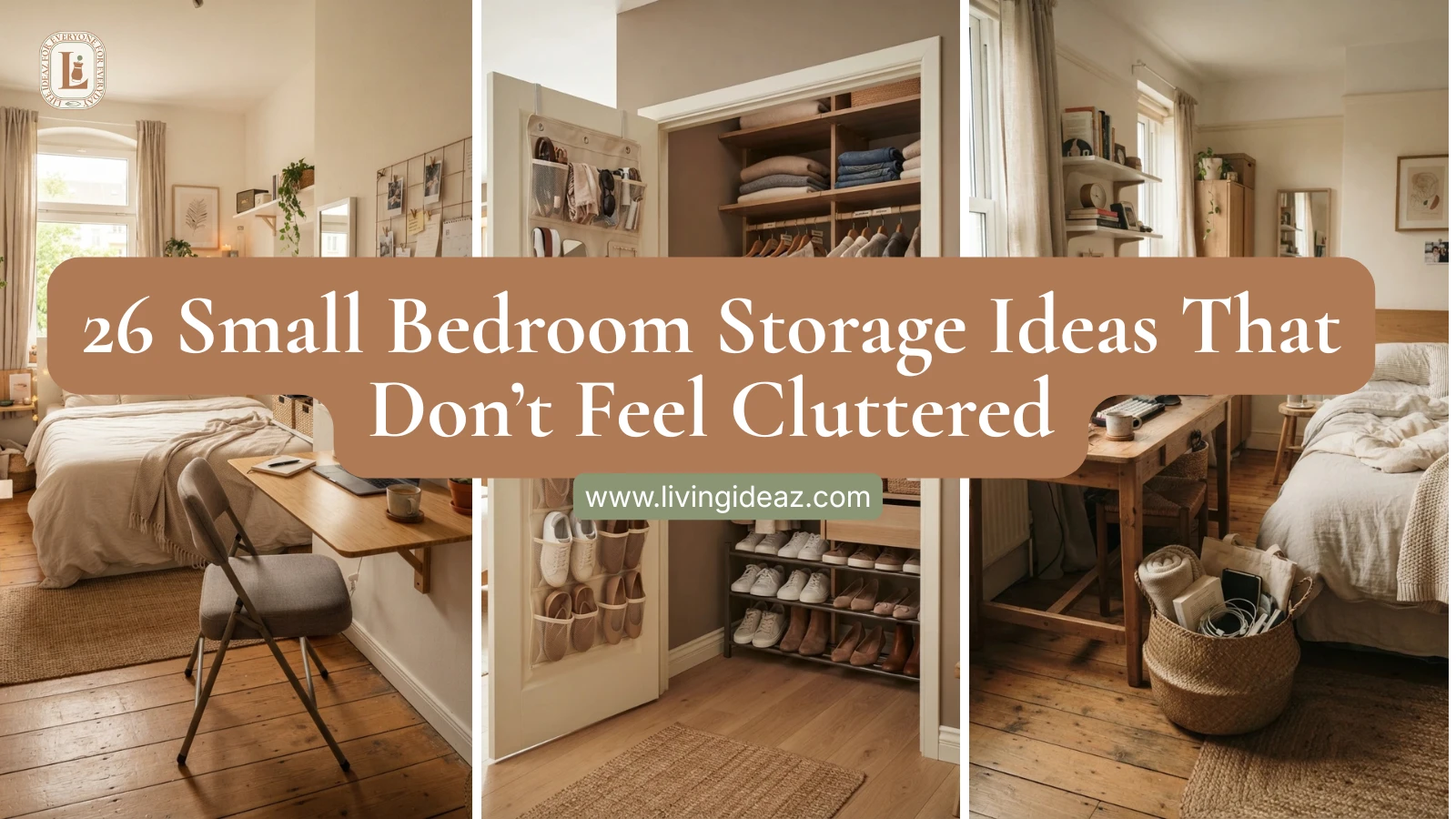
Wall-mounted shelves, under-bed storage, and slimmer furniture profiles help preserve smoother walking flow naturally. Better room layouts reduce friction instead of maximizing furniture aggressively.
Easy movement creates emotional calm too.
6. The Closet Extension Layout
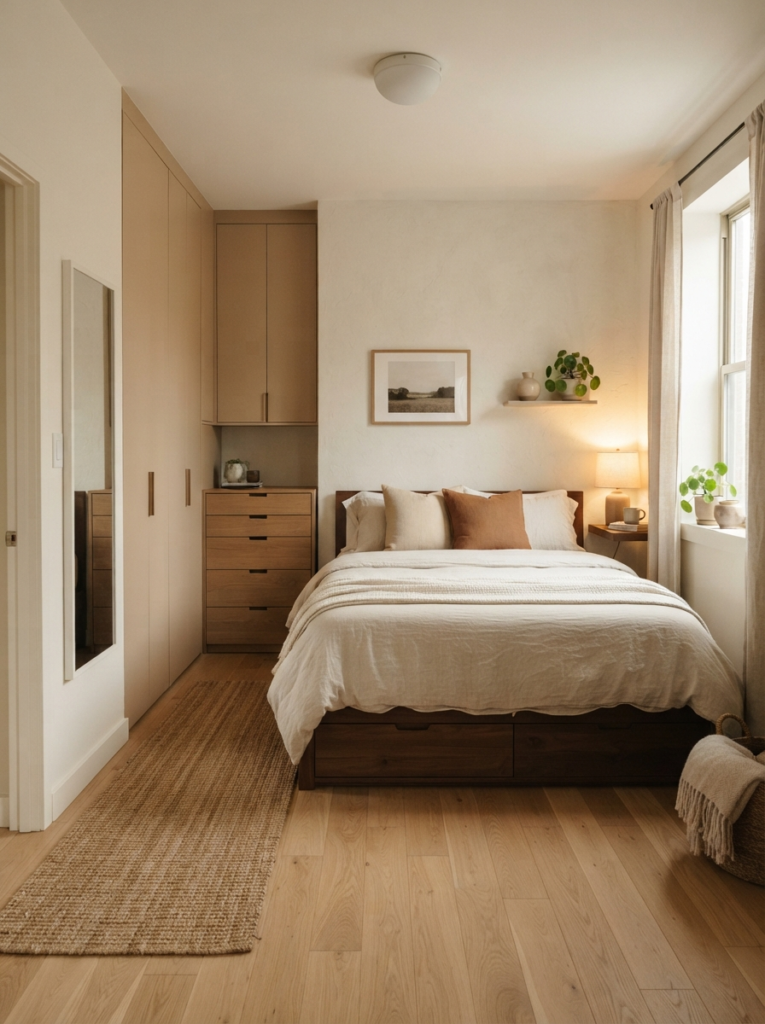
Apartment closets are often too small or awkwardly shaped. Extending storage visually beside the closet using slim wardrobes or matching shelving creates a more intentional layout instead of random overflow clutter.
Matching finishes and softer tones help the additional storage blend naturally into the room instead of dominating visually.
Consistency creates visual calm.
7. The Window-Focused Storage Layout
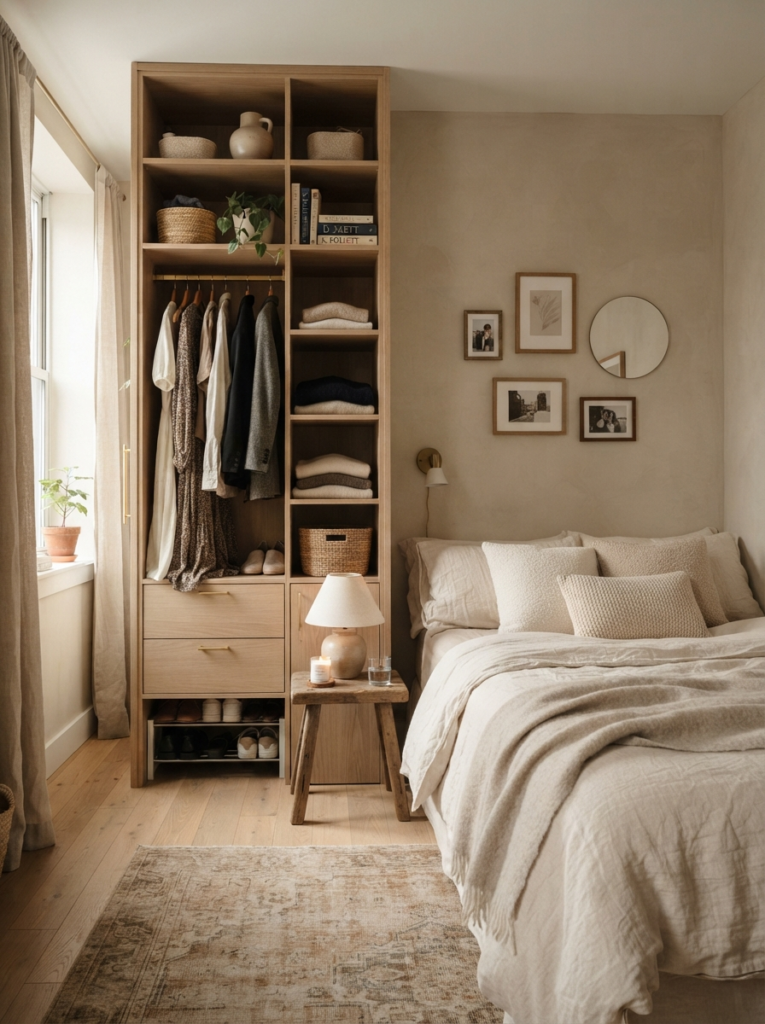
Tiny bedrooms emotionally feel softer when windows remain visually open. Positioning lower storage furniture beneath windows instead of tall cabinets allows natural light to spread more freely across the room.
Storage benches or low-profile cabinets work especially well because they provide functionality without blocking daylight heavily.
Light flow shapes emotional comfort constantly.
8. The Floating Desk Layout
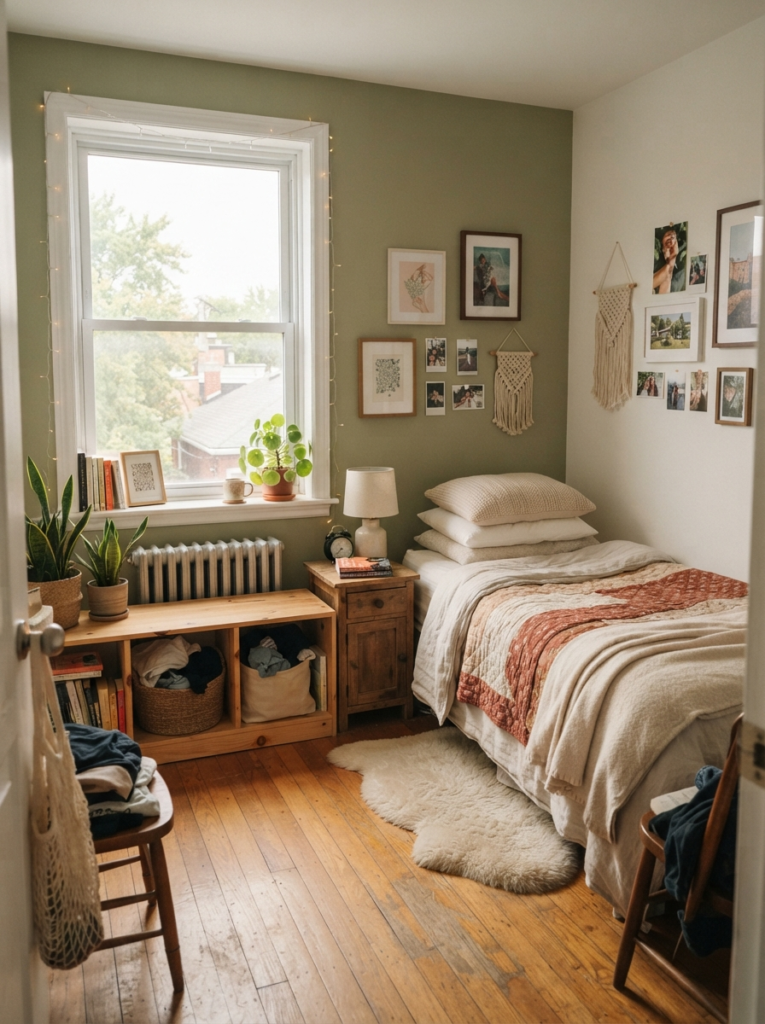
Bedrooms that double as offices often become visually crowded fast. Floating desks create practical workspace without visually compressing the room as heavily as bulky office furniture.
This layout feels especially effective in studio apartments where flexibility matters emotionally. Cleaner desk setups also help bedrooms transition back into restful spaces more naturally after work.
Lighter furniture improves emotional flow.
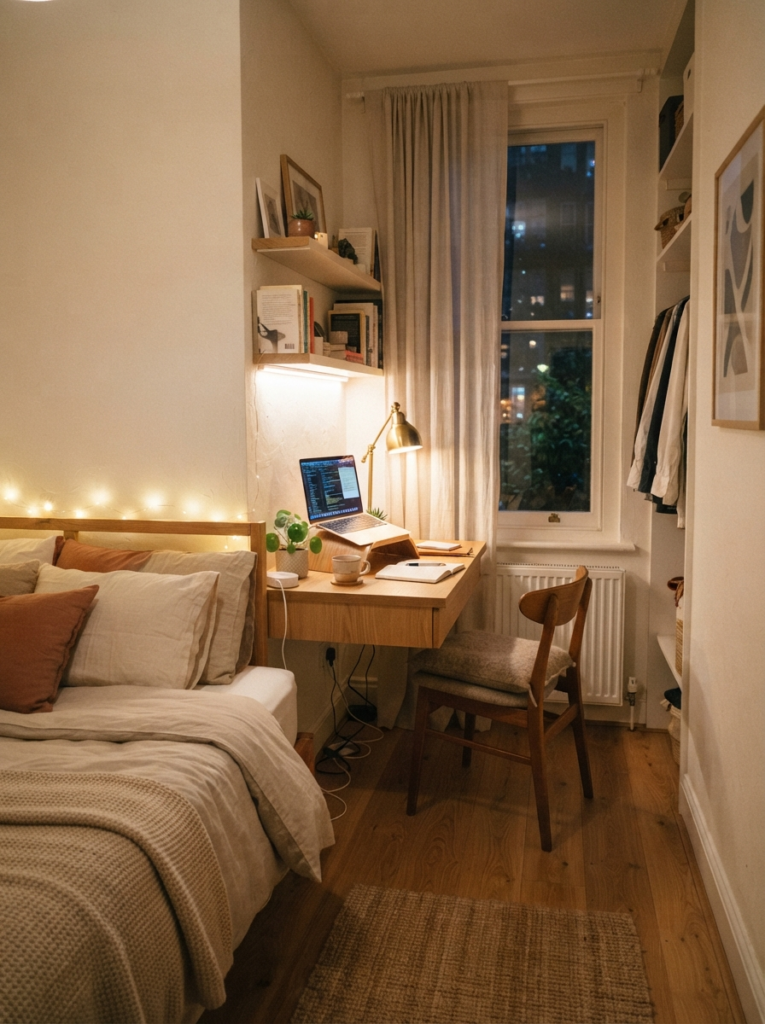
9. The Hidden Basket Storage Layout
Visible storage can quickly become visual clutter in tiny rooms. Woven baskets beneath benches, beside beds, or under floating shelves create softer hidden organization that still feels warm and aesthetic.
This setup works beautifully for laundry, extra blankets, chargers, or miscellaneous daily clutter without overwhelming the atmosphere emotionally.
Storage should feel integrated, not exposed.
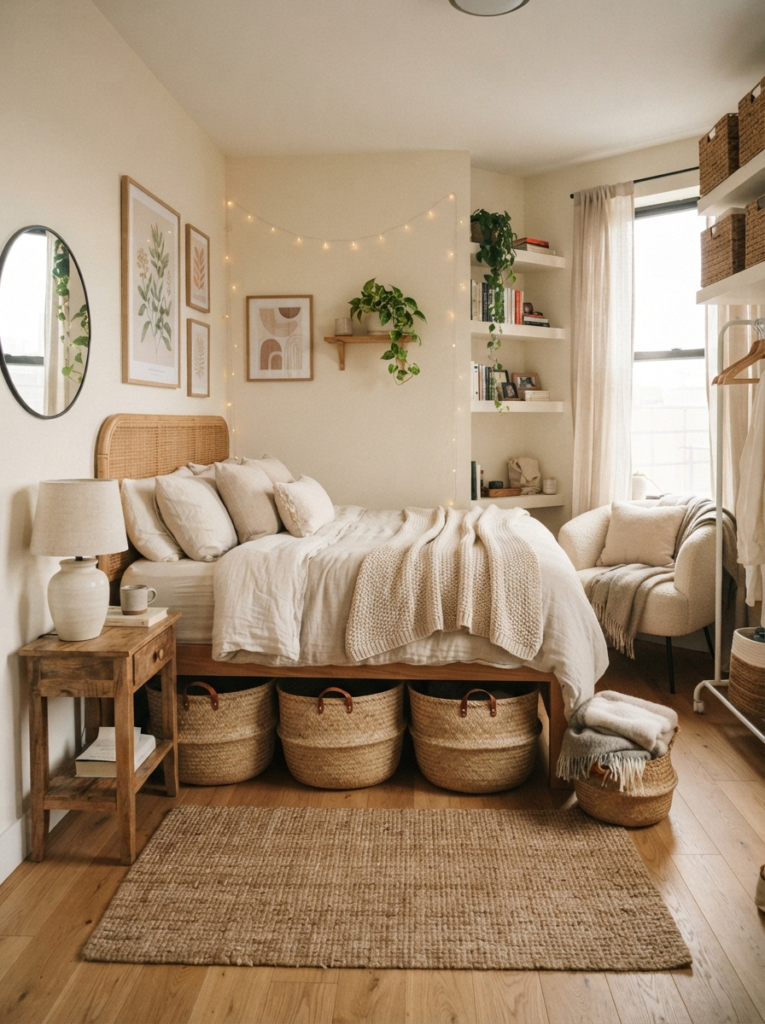
10. The Open Corner Layout
One of the biggest tiny-bedroom mistakes is filling every corner aggressively with storage. Leaving one visually lighter corner creates breathing room that helps the entire layout feel softer emotionally.
This openness prevents the room from feeling like a storage container with a mattress inside it. Calm layouts usually include intentional restraint.
Empty space has emotional value too.
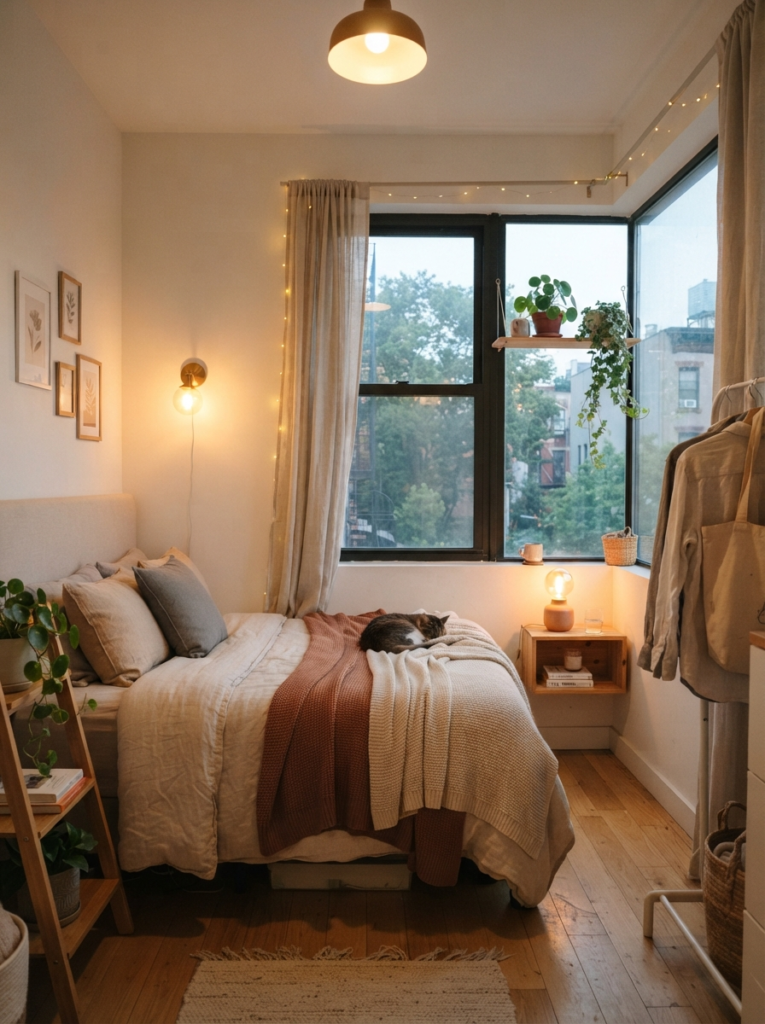
11. The Slim Furniture Layout
Deep bulky furniture often destroys room flow in tiny bedrooms because movement paths shrink instantly. Slim dressers, narrower nightstands, and lighter-profile furniture improve storage while preserving openness.
Tiny bedrooms emotionally feel more luxurious when furniture stops dominating the room physically and visually.
Visual lightness matters more than people realize.
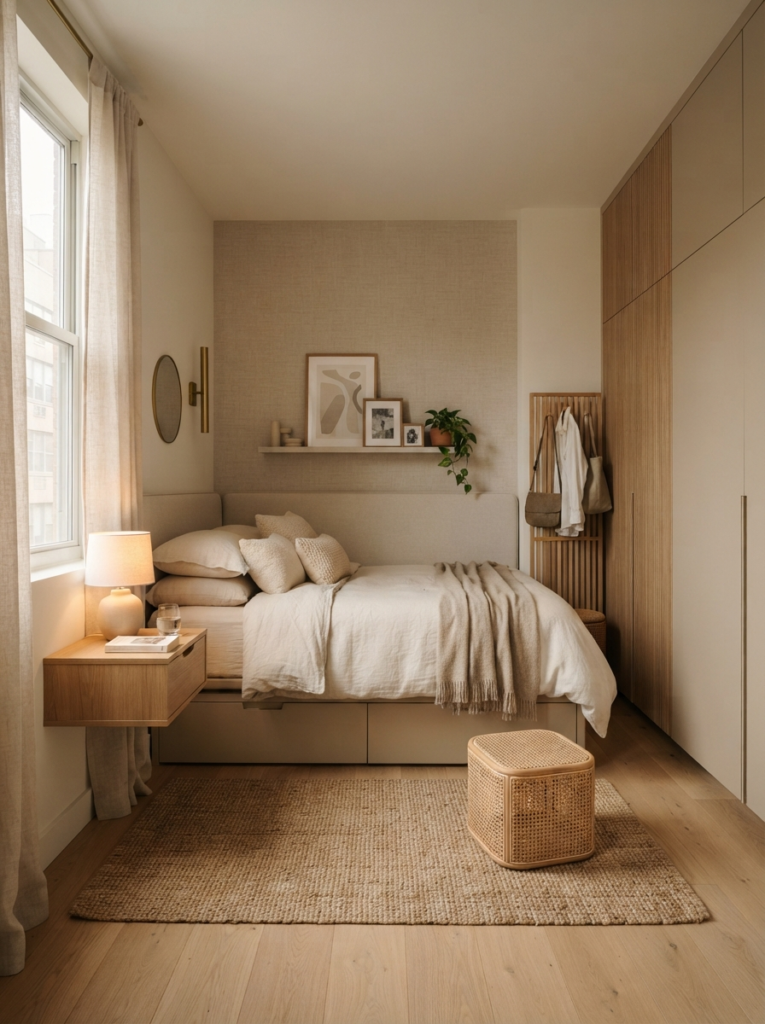
12. The Layered Lighting Storage Layout
Storage zones often feel visually harsh because they sit under cold overhead lighting. Warm layered lighting around shelving, closets, or storage benches softens organization areas emotionally.
This helps the room feel more cohesive and calming instead of separating “practical” areas from “cozy” areas visually.
Lighting shapes atmosphere around storage too.
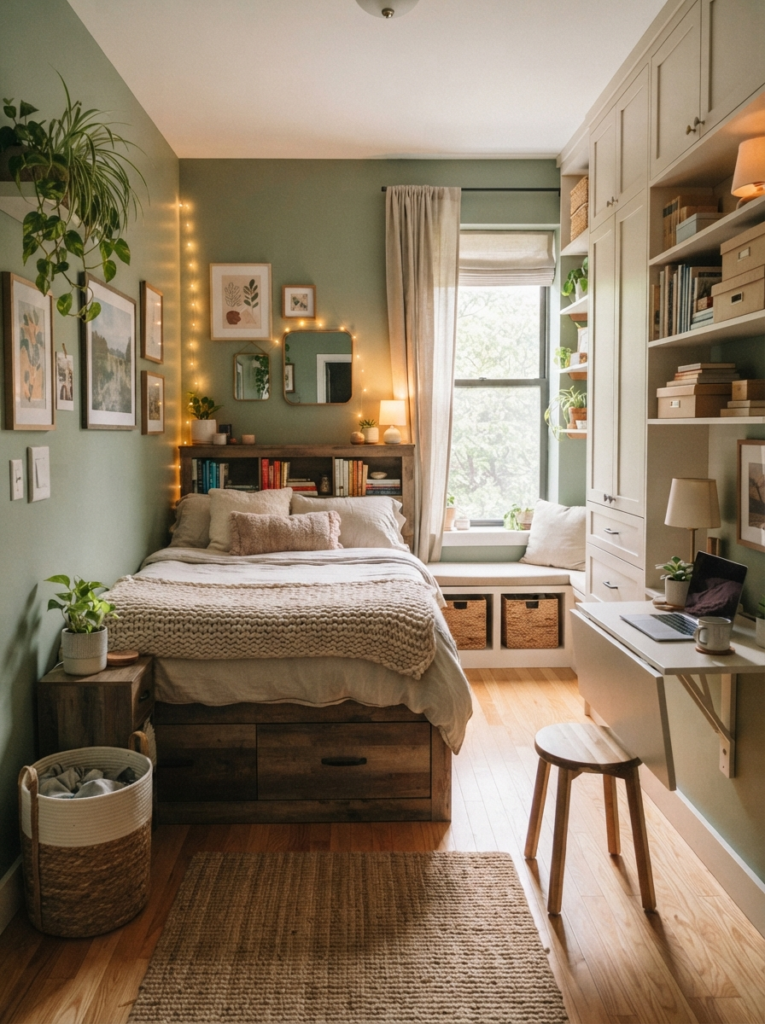
13. The Multi-Functional Furniture Layout
Tiny bedrooms emotionally improve when fewer furniture pieces perform more tasks. Beds with storage, benches with hidden compartments, rolling carts, and foldable desks reduce clutter while preserving cleaner layouts.
This creates smoother movement because fewer standalone furniture items compete for floor space constantly.
Good layouts quietly simplify life.
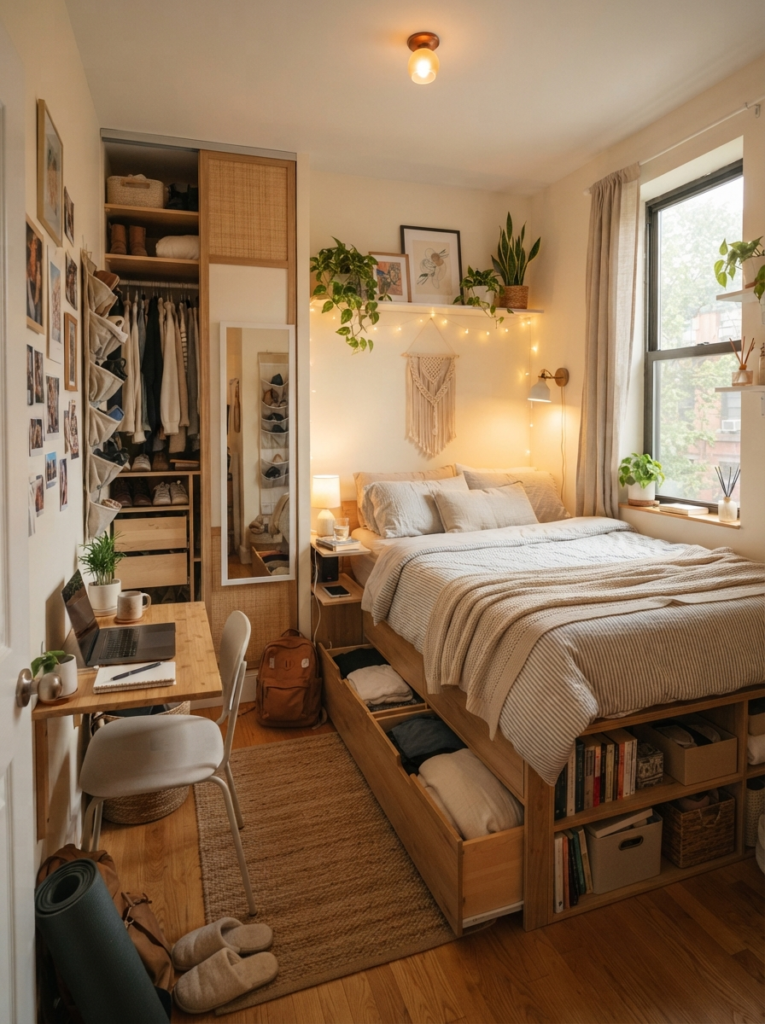
14. The Calm Visual Zone Layout
Tiny bedrooms feel less stressful when the sleeping area remains visually calmer than the rest of the room. Cleaner bedside styling, softer wall decor, and hidden clutter near the bed help the room emotionally support rest.
Storage-heavy layouts work best when visual pressure stays lower around areas associated with relaxation.
The eye needs quietness near the bed.
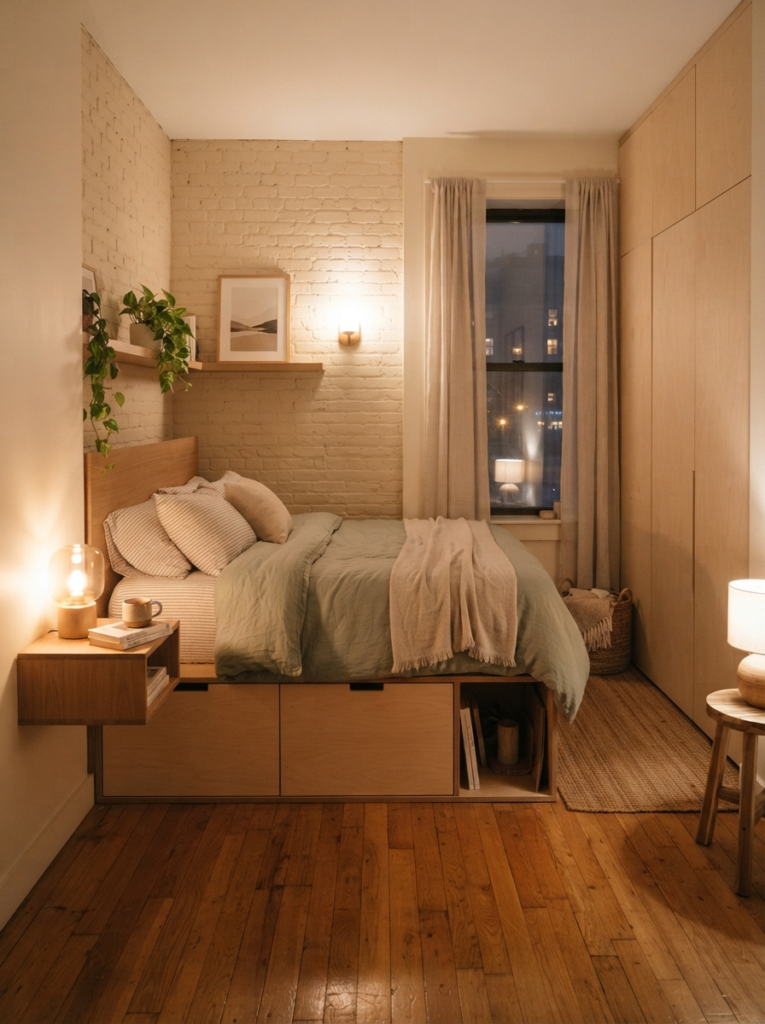
15. The Real-Life Routine Layout
The smartest tiny bedroom layouts are built around real human habits instead of perfect styling alone. Where clothes naturally gather, where devices charge, where bags land, and how movement happens daily should shape storage placement.
When layouts support real routines, clutter becomes easier to control naturally. Tiny bedrooms emotionally feel calmer because the room starts working with life instead of constantly fighting it.
Good layouts reduce friction invisibly.
Final Thoughts
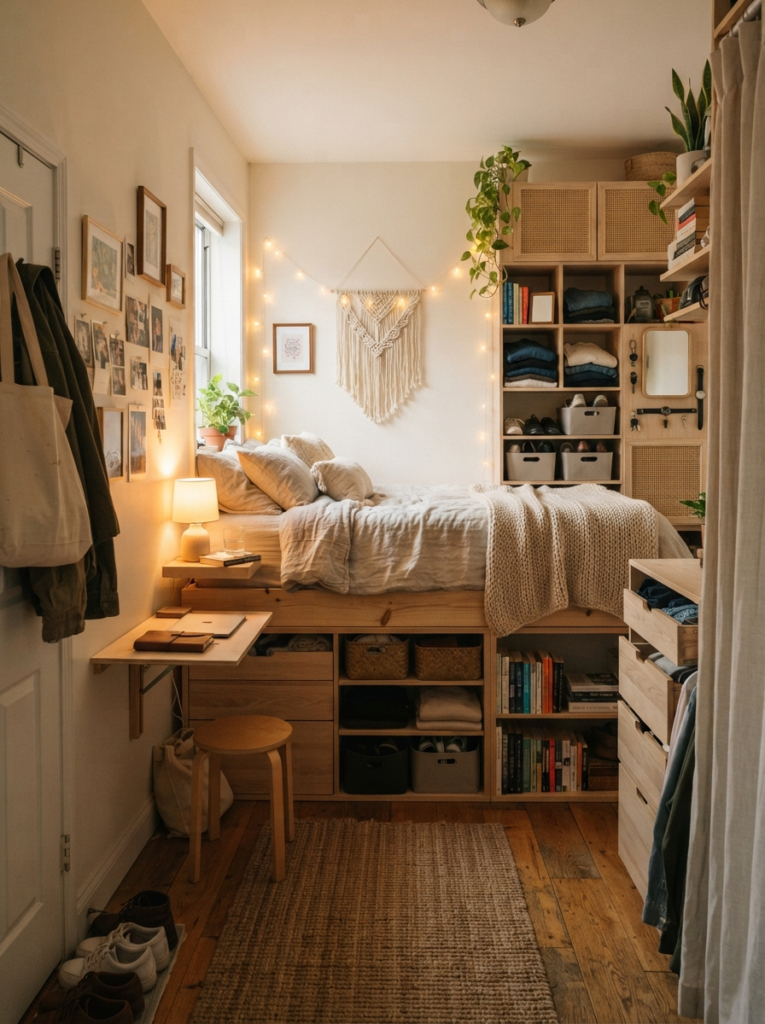
Tiny bedroom layouts feel best when storage becomes part of the room’s flow instead of separate clutter added afterward. Hidden organization, smoother pathways, softer lighting, and visually lighter furniture create calmer spaces that support real life comfortably.
The most functional tiny bedrooms are rarely the ones with the most storage furniture. They are the ones where movement feels easier, clutter feels manageable, and the room still feels emotionally soft enough to relax inside every day.
A smart bedroom layout should not only organize belongings. It should quietly reduce stress the moment you walk into the room.