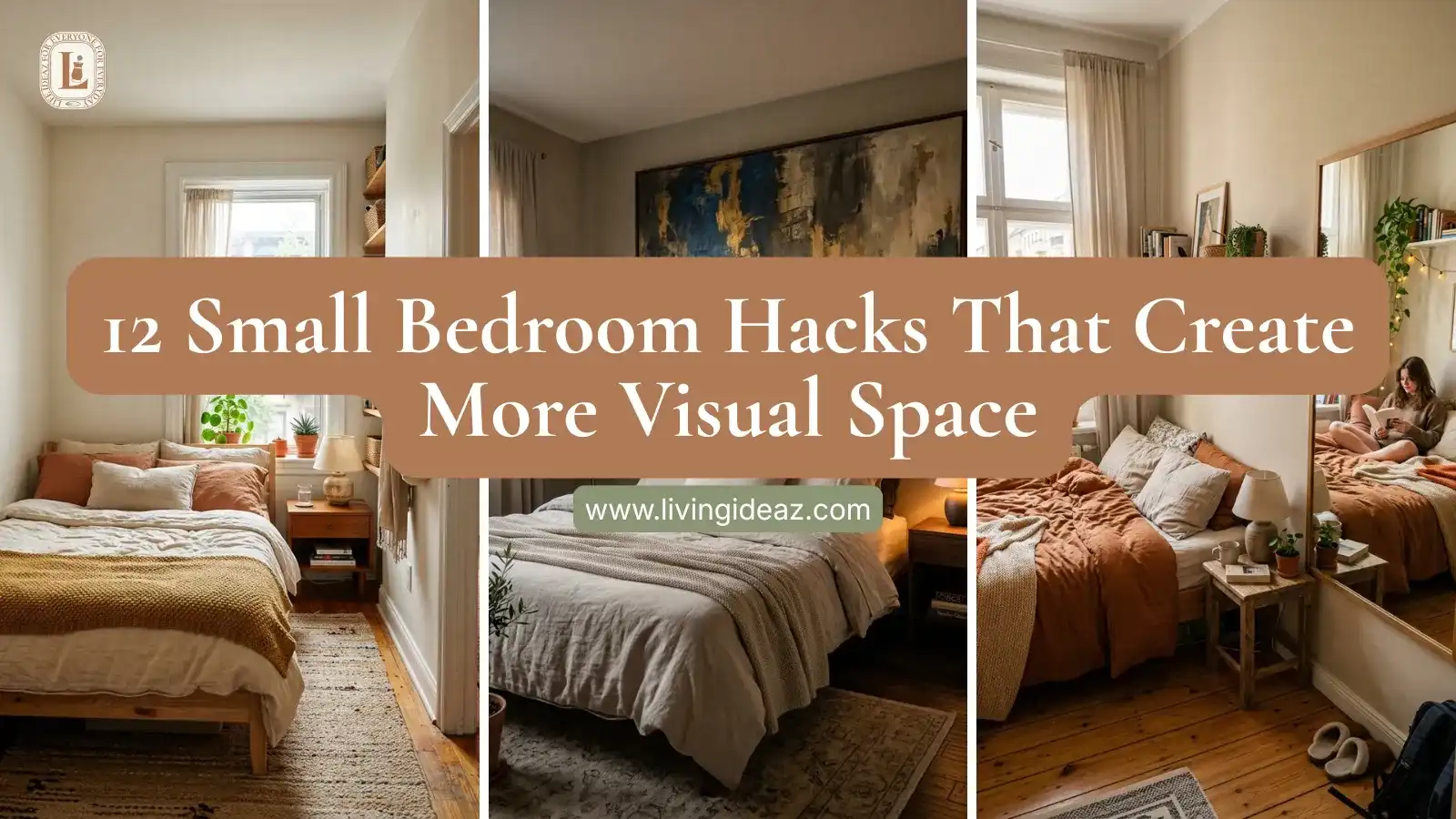
12 Small Bedroom Hacks That Create More Visual Space
Some small bedrooms somehow feel cramped no matter how often they get cleaned or reorganized. The furniture feels visually heavy, the walls seem closer together at night, and even simple decor starts making the room feel mentally crowded.
Many people assume they simply need a bigger bedroom, when the real problem is often how visual space is being handled inside the room itself.
Tiny bedrooms usually start feeling smaller because the eye has nowhere to rest naturally. Overcrowded furniture, blocked light, awkward layouts, and excessive visual clutter quietly create tension that makes compact spaces feel emotionally overwhelming.
In fact, many people accidentally make their rooms feel tighter through common design habits covered in these small bedroom layout mistakes that create visual clutter.
The good news is that creating more visual space rarely requires expensive renovations or knocking down walls. Better lighting, softer furniture placement, cleaner surfaces, and more intentional spacing can completely change how a bedroom feels emotionally.
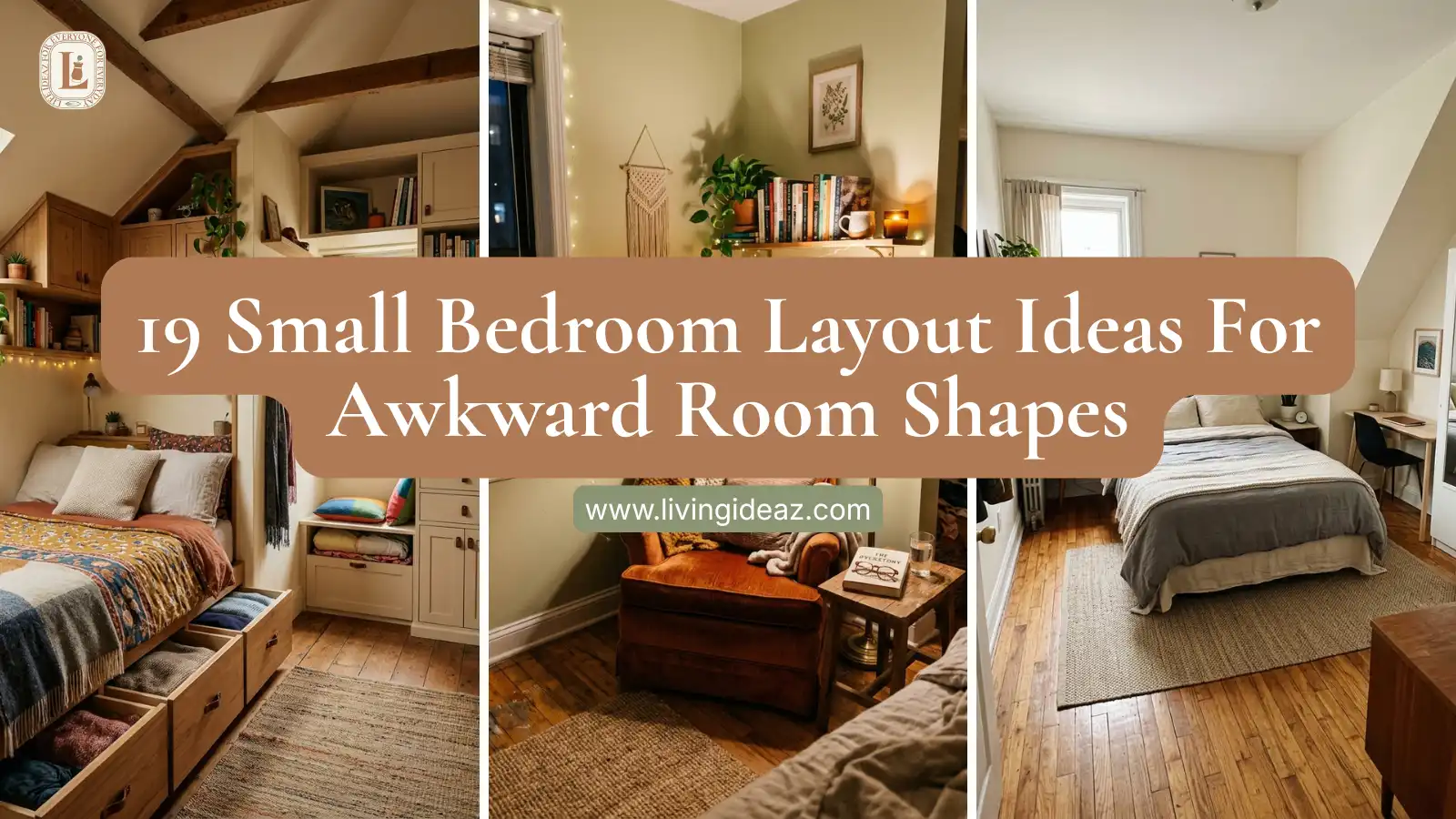
Even difficult layouts can feel dramatically more open when furniture works with the room instead of against it, especially in spaces with unusual proportions like these small bedroom layout ideas for awkward room shapes.
And sometimes, the biggest difference comes from reducing visual pressure instead of adding more design elements. Small changes that improve openness, flooring visibility, and light flow can make compact rooms feel surprisingly airy without renovating anything at all, similar to these small bedroom ideas that feel bigger without renovating. These simple hacks focus on making tiny bedrooms feel calmer, brighter, and significantly easier to breathe in daily.
1. Keep More Floor Visible
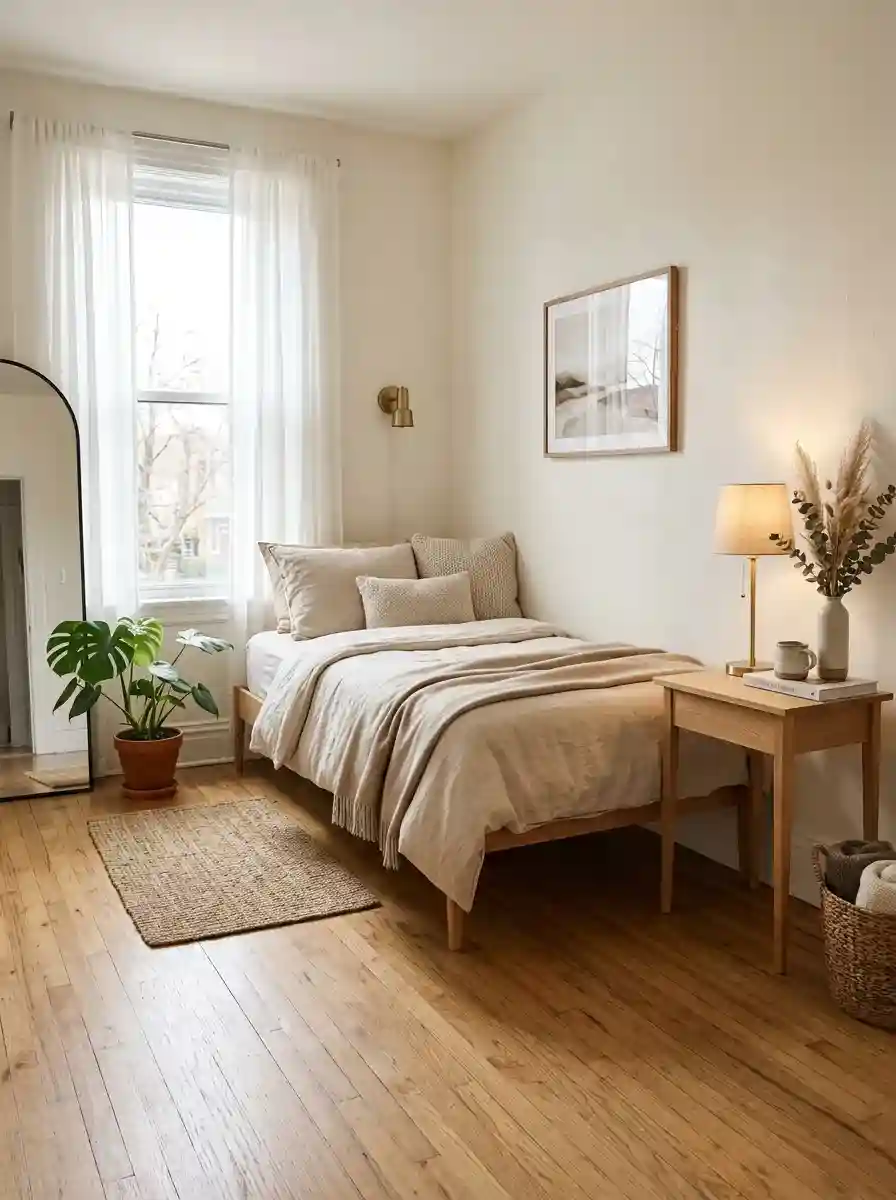
One of the fastest ways to make a tiny bedroom feel larger is increasing visible floor space. Rooms instantly feel more open when the eye can travel underneath furniture instead of stopping at heavy solid bases everywhere.
Beds with visible legs, floating nightstands, and slimmer furniture profiles create openness because flooring becomes part of the visual atmosphere instead of disappearing completely.
Visible flooring creates psychological breathing room.
2. Use Warm Light Instead of Bright White Light
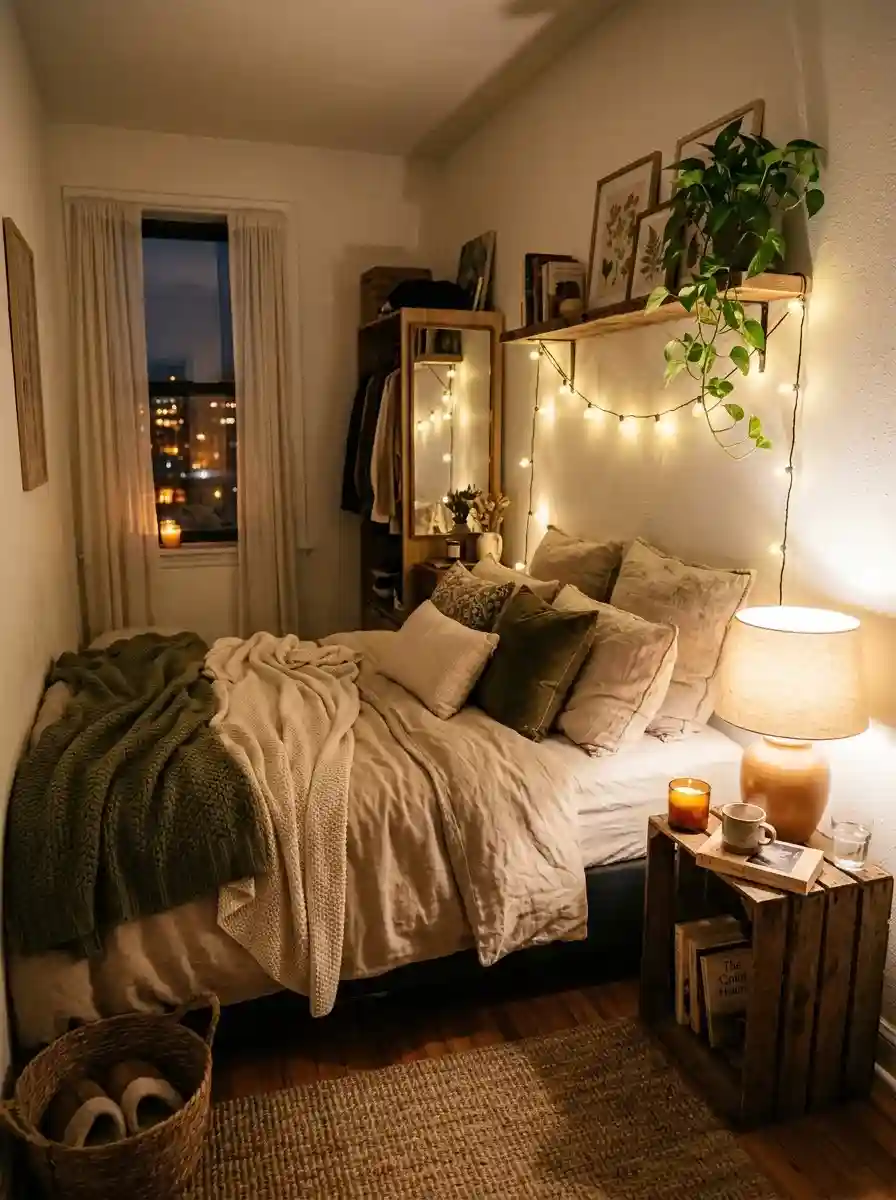
Harsh white lighting exaggerates visual clutter because every surface, corner, and object becomes sharply defined. Warm layered lighting softens the room emotionally and visually.
Bedside lamps, wall sconces, soft LED glow, and warm ambient lighting create depth without making the room feel visually overwhelming. This is why cozy hotel rooms often feel larger emotionally than brightly lit apartments.
Soft light visually relaxes the room.
3. Choose Furniture With Lighter Visual Weight
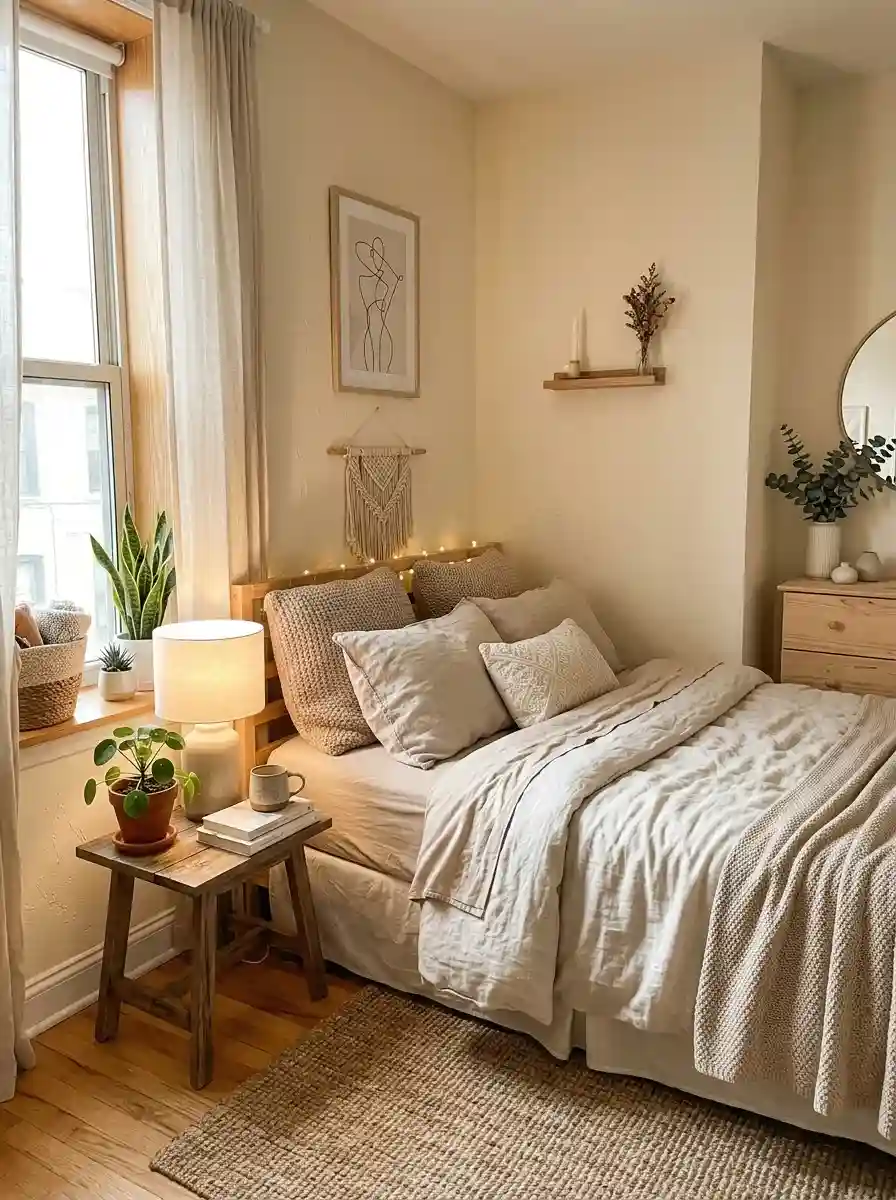
Bulky dark furniture often makes compact bedrooms feel emotionally compressed because large solid pieces dominate the eye constantly. Slim furniture profiles and lighter wood tones create softness and openness naturally.
Even swapping one oversized nightstand for a narrower version can visually calm the room dramatically.
Visual heaviness affects emotional comfort too.
4. Keep Window Areas More Open
Windows visually expand tiny bedrooms because natural light creates depth and openness. Blocking them with wardrobes, shelves, or heavy curtains immediately shrinks the room emotionally.
Low furniture beneath windows and sheer curtains allow daylight to move freely across the space, which makes compact bedrooms feel calmer and more breathable.
Light flow changes everything.
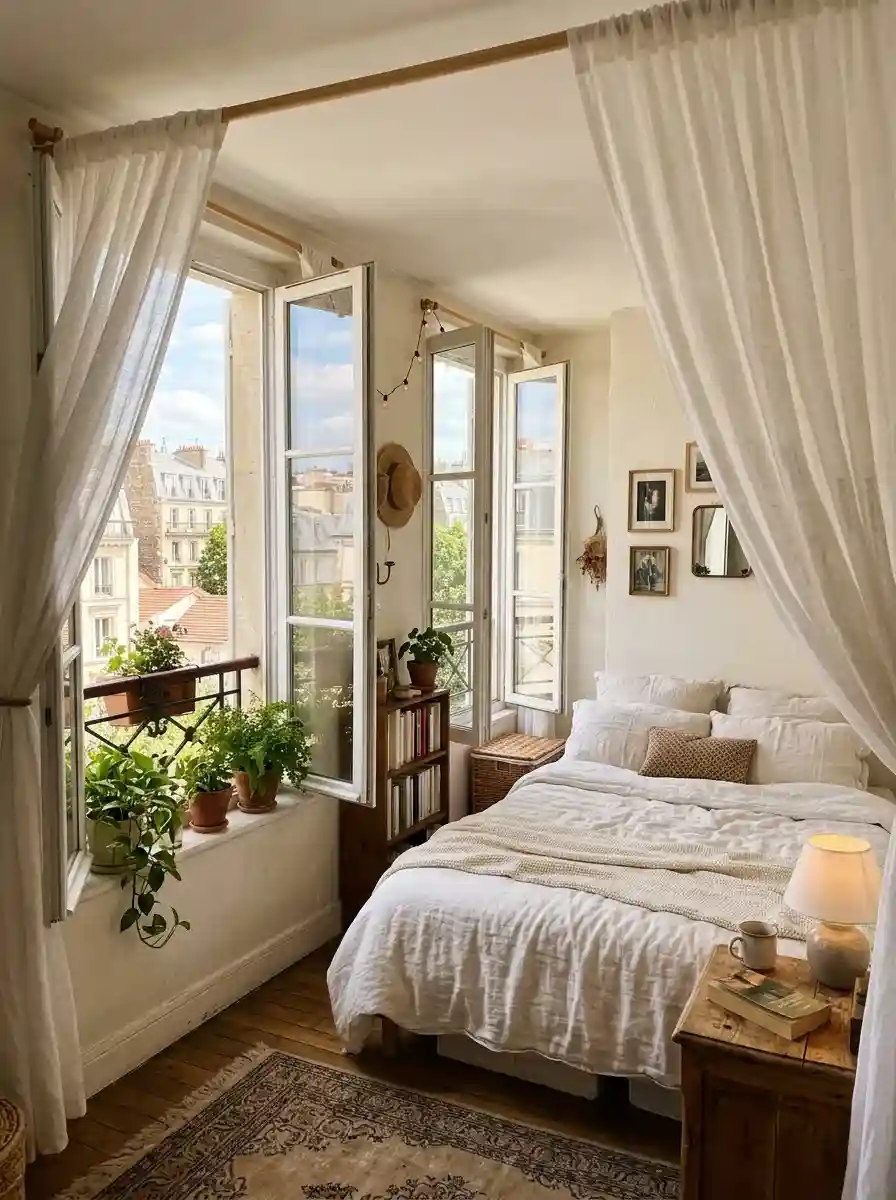
5. Use Larger Decor Pieces Instead of Many Small Ones
Multiple tiny decorative items create visual fragmentation because the eye constantly jumps between objects. One oversized mirror, larger artwork piece, or bigger lamp creates cleaner visual structure.
Tiny bedrooms usually feel calmer when fewer things compete for attention at once. Simplicity often creates more openness than aggressive decorating.
The eye needs visual rest.
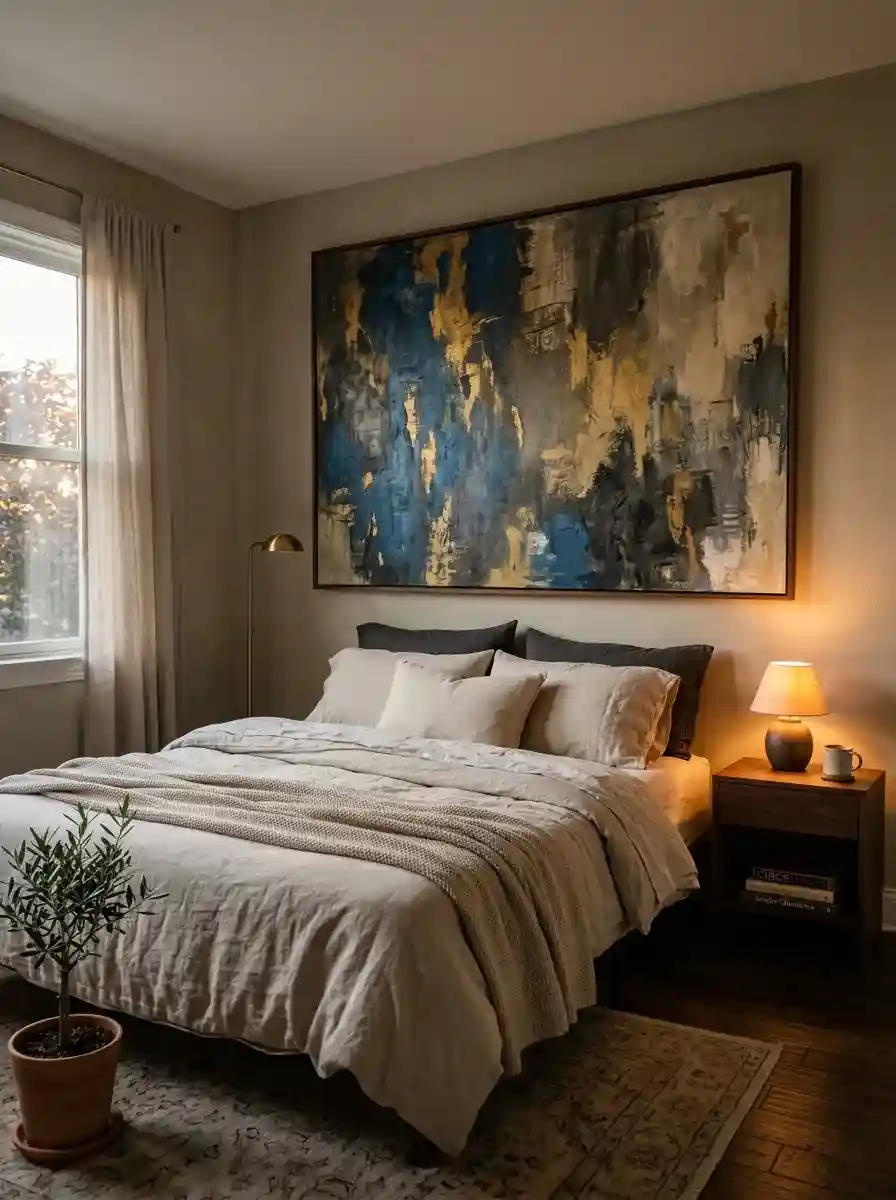
6. Hide Everyday Clutter Aggressively
Chargers, scattered skincare products, random laundry piles, and exposed storage quietly make bedrooms feel visually smaller because the brain processes every object constantly.
Hidden storage, woven baskets, under-bed drawers, and cleaner surfaces create visual silence that instantly makes rooms feel more spacious emotionally.
Less visible information creates more calmness.
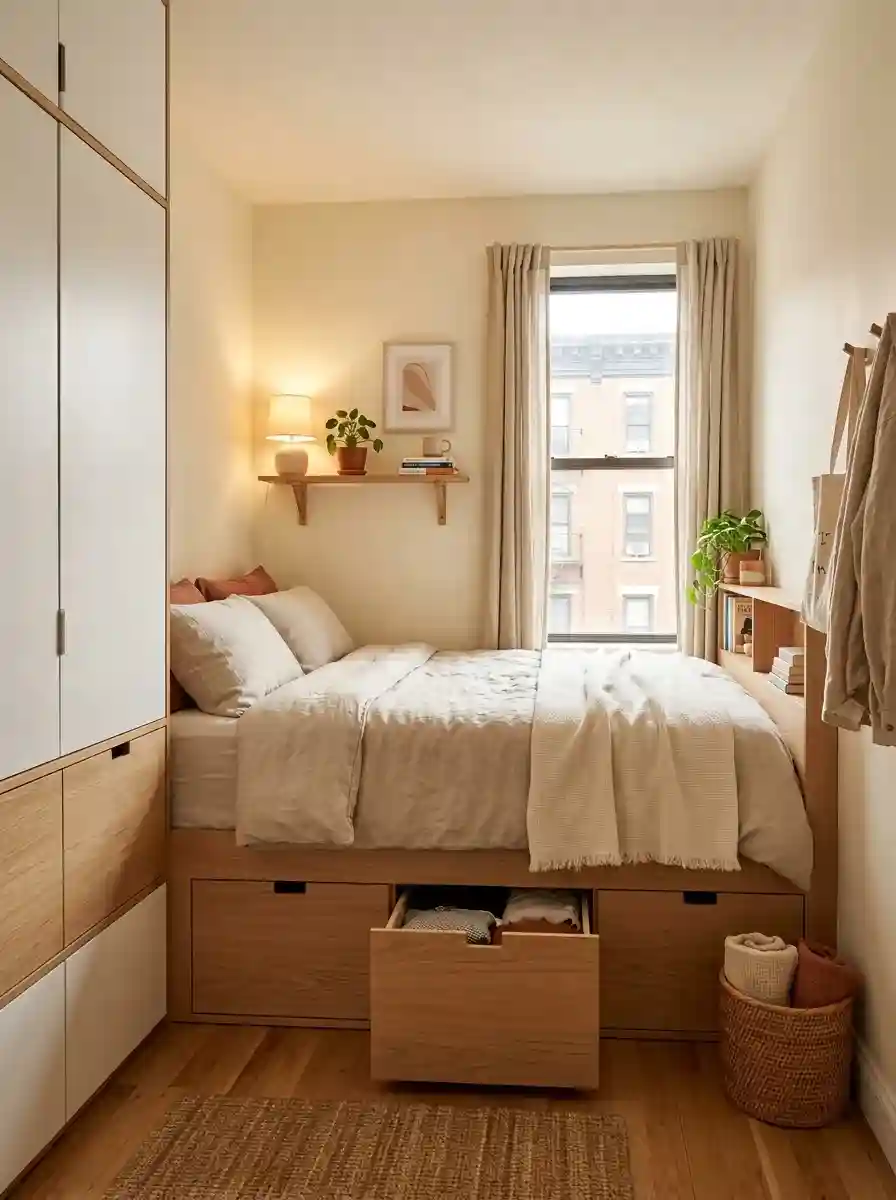
7. Use Mirrors to Extend Light and Depth
Mirrors create visual expansion because they reflect brightness, openness, and movement throughout the room. Larger mirrors especially help tiny bedrooms feel less boxed in emotionally.
Placement matters though. Reflecting clutter doubles visual stress instantly. Reflecting open flooring, windows, or soft bedding creates calm spaciousness naturally.
Good reflection creates emotional openness too.
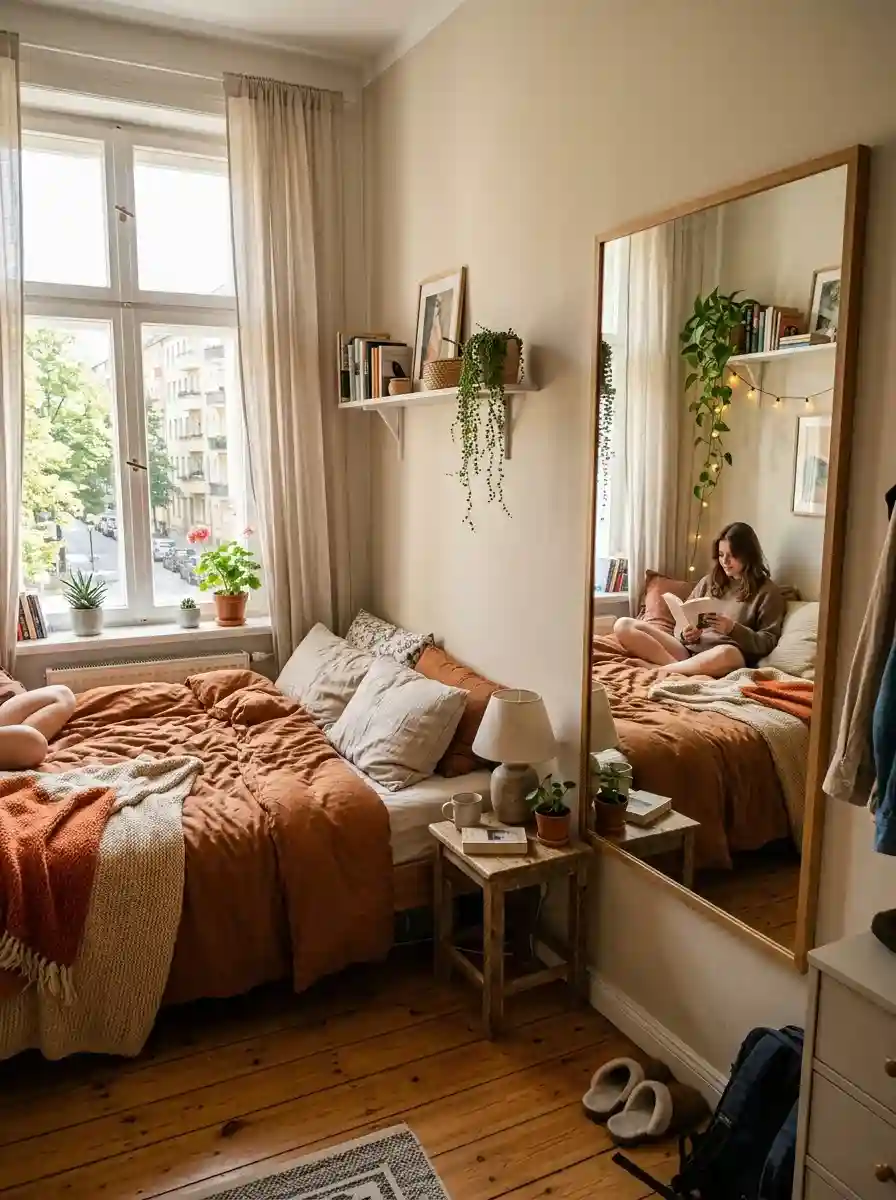
8. Leave Some Areas Intentionally Empty
Many small bedrooms feel cramped because every shelf, wall, and corner gets filled immediately. Empty space actually helps rooms feel larger because the eye finally gets moments to rest.
Partially empty walls, cleaner surfaces, and open corners create breathing room that softens compact layouts emotionally.
Restraint creates openness.
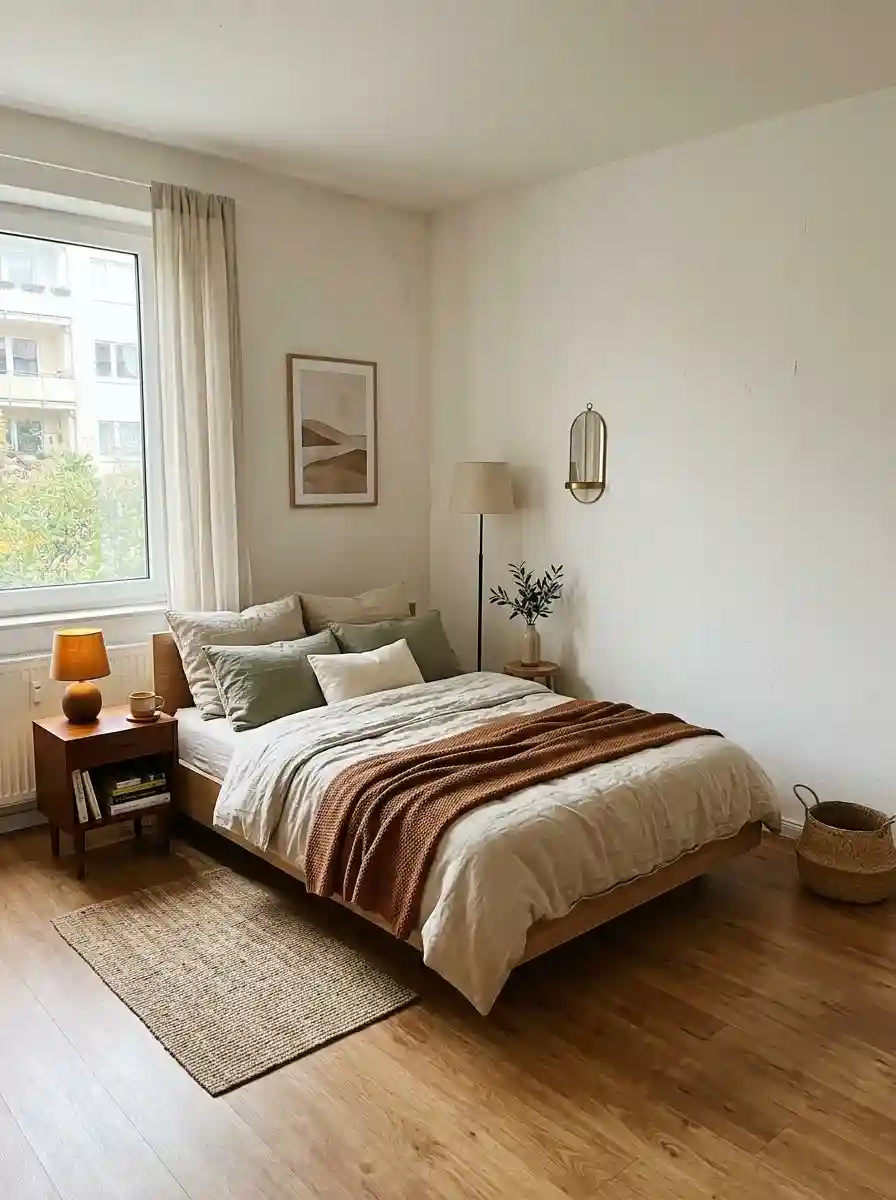
9. Use Cohesive Colors Instead of Sharp Contrast
Strong visual contrast can make tiny rooms feel fragmented because the eye constantly stops between competing colors and finishes. Softer palettes create smoother visual flow naturally.
Warm neutrals, muted earth tones, and layered textures help the room feel more unified emotionally while still remaining visually interesting.
Smooth visual flow feels spacious.
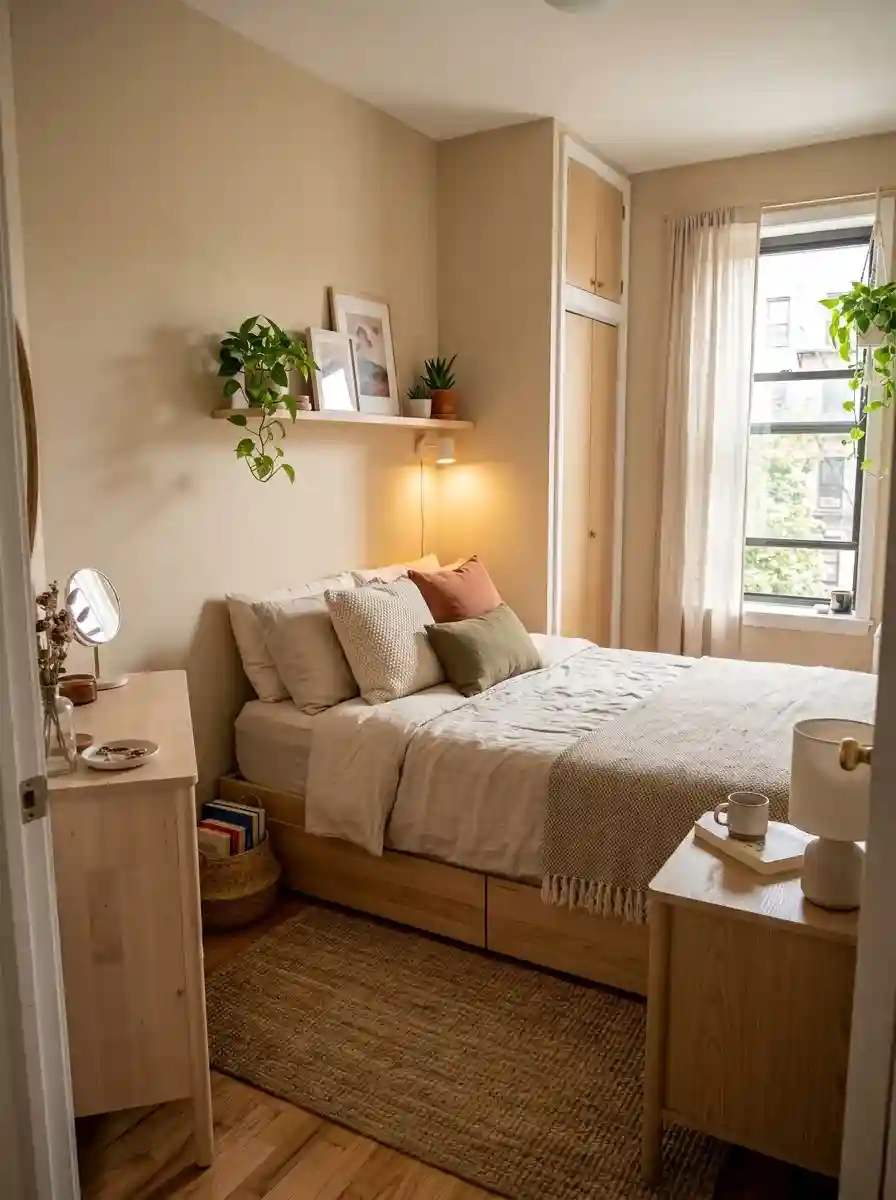
10. Raise the Eye Vertically
Tiny bedrooms feel larger when the eye naturally travels upward instead of focusing only on cramped floor space. Floor-length curtains, taller headboards, vertical shelving, and upward lighting create this effect beautifully.
Vertical movement visually stretches compact rooms emotionally without changing the actual square footage.
Height creates openness psychologically.
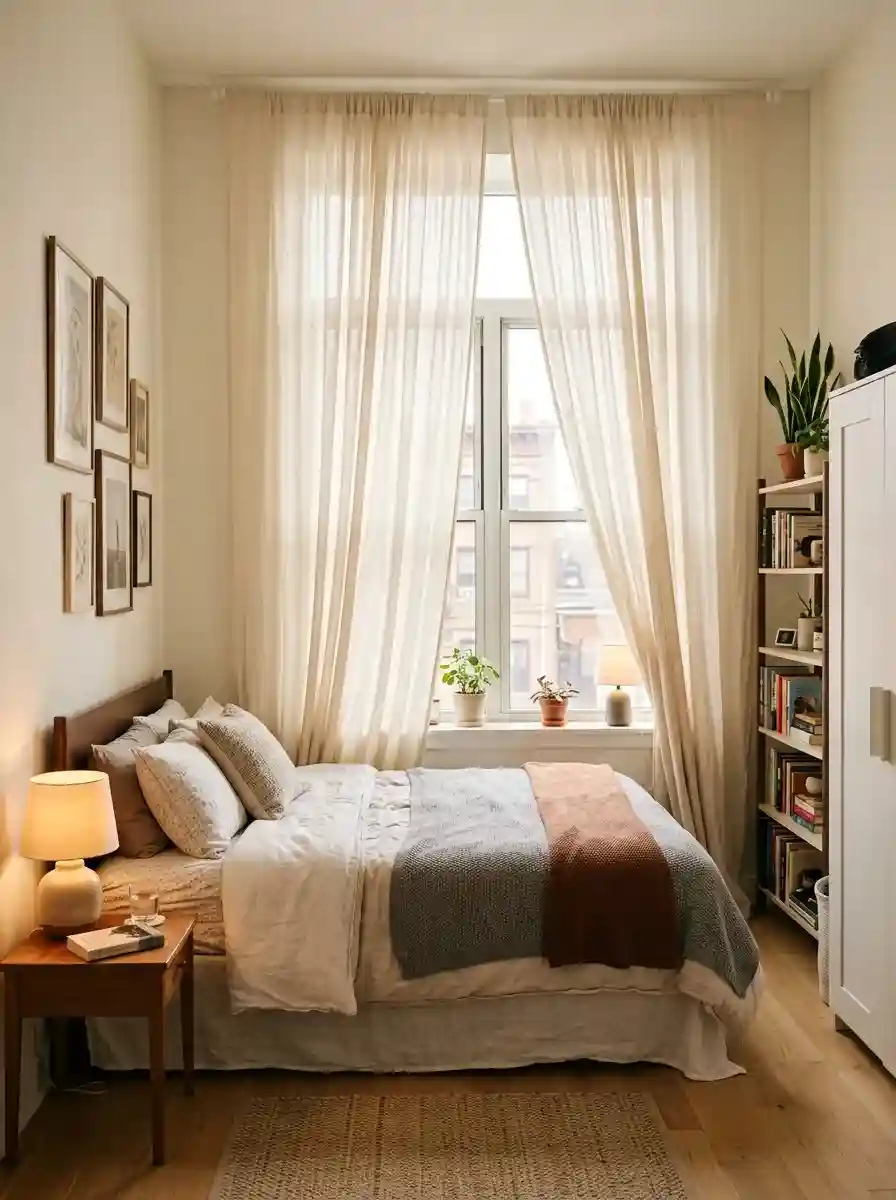
11. Reduce Furniture Quantity Instead of Adding More Storage
One of the biggest mistakes in tiny bedrooms is constantly adding furniture to solve clutter problems. Extra dressers, storage cubes, and chairs often make rooms feel smaller emotionally even when organization improves slightly.
Better layouts usually come from fewer smarter pieces instead of more furniture overall.
Open movement matters more than maximum storage.
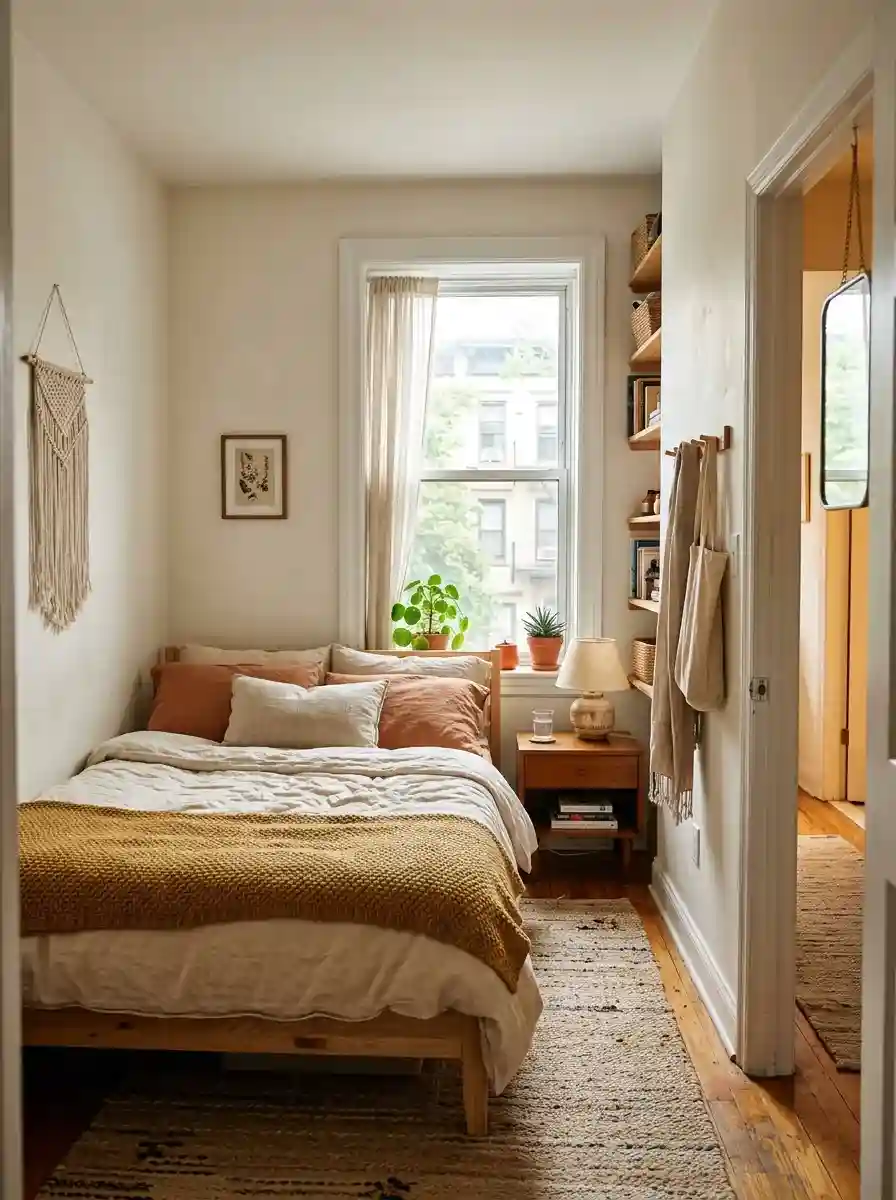
12. Design Around Emotional Openness, Not Just Square Footage
The rooms that feel visually spacious are usually the ones that reduce tension instead of maximizing every inch aggressively. Softer lighting, smoother movement, lighter furniture, hidden clutter, and visual breathing room help tiny bedrooms emotionally expand.
A room can remain physically small while still feeling calm, airy, and emotionally comfortable daily.
Visual space is often emotional space too.
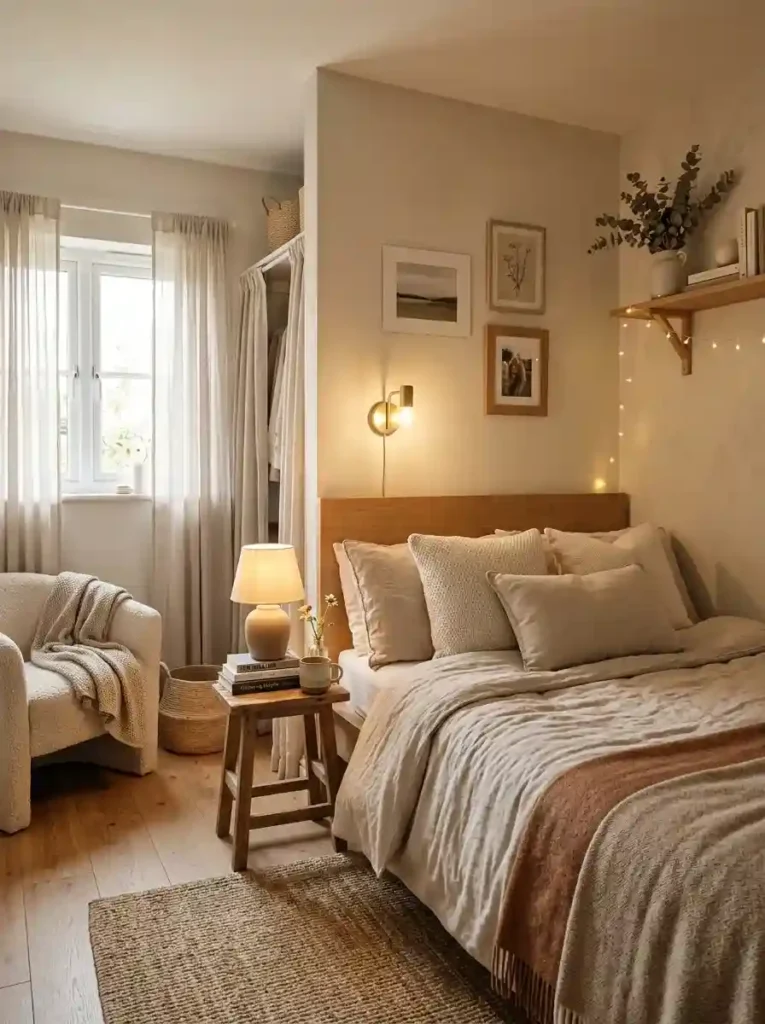
Final Thoughts
Small bedrooms start feeling larger when visual pressure decreases. Better lighting, lighter furniture, hidden clutter, smoother layouts, and intentional openness create calmer spaces that emotionally feel more breathable.
The most spacious-feeling rooms are rarely the emptiest ones. They are the ones where the eye can move naturally without constantly stopping at clutter, heavy furniture, or visual chaos. Tiny bedrooms emotionally improve when the room finally allows the mind to relax visually too.
A good bedroom should not only save space physically. It should create emotional breathing room every time someone walks inside.