8 Glass Container Storage Ideas for Fridge and Pantry
TL;DR: Glass containers do more than just look nicer than a shelf full of mismatched plastic. They let you see exactly what you have and how much is left, they don’t hold onto stains or smells the way plastic does, and they work interchangeably between the fridge, freezer, and pantry. A few sizing and stacking habits are all it takes to turn a random jar collection into a system that actually keeps food fresher longer.
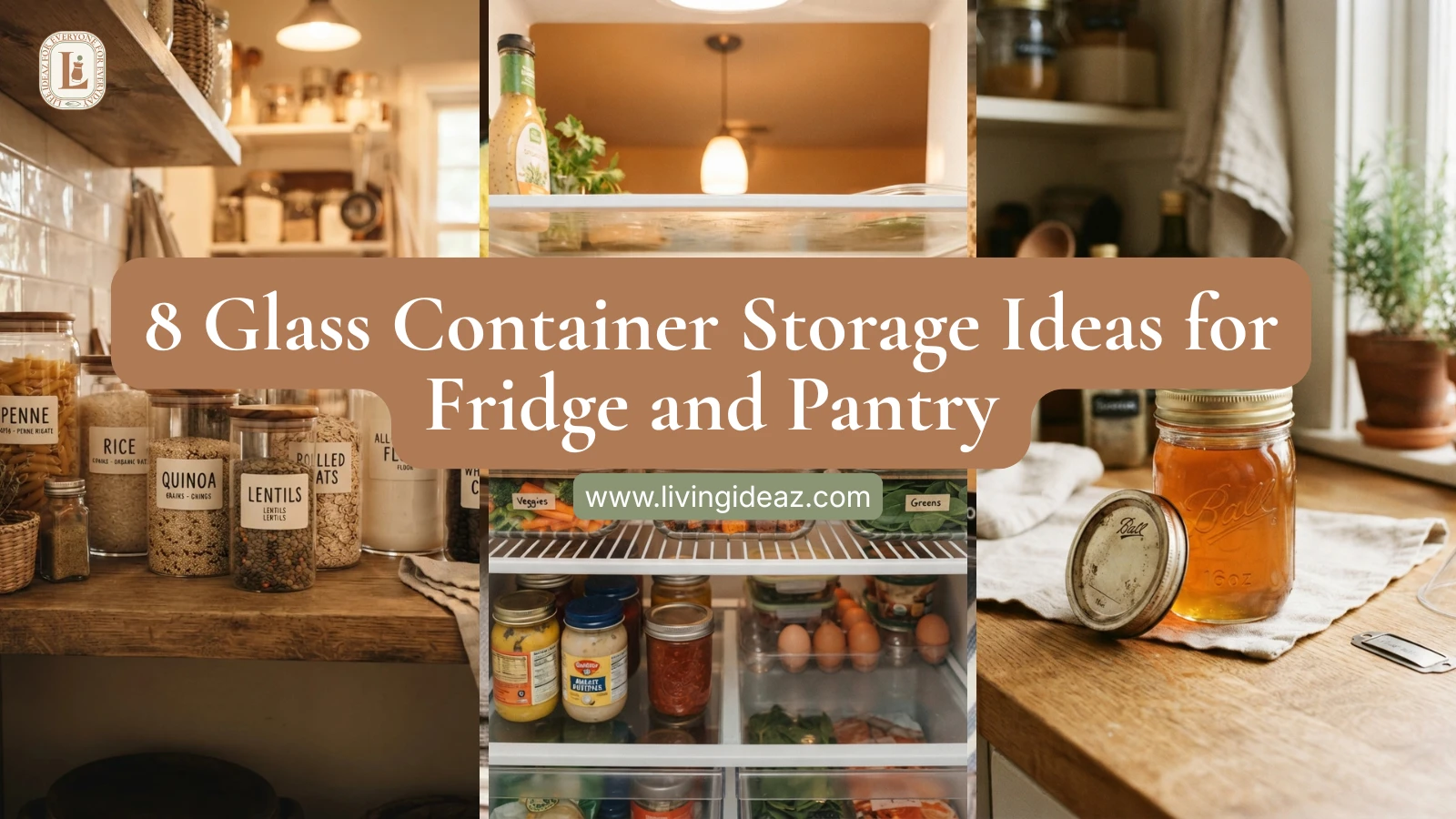
There’s a reason glass containers show up in almost every well-organized fridge and pantry photo. It’s not just aesthetics, though the uniform look certainly helps. Glass is transparent, which means you can tell at a glance what’s inside and how much is left, something a crumpled bag or an opaque plastic tub never lets you do easily. It also doesn’t absorb odors or stain from things like tomato sauce the way plastic tends to over time, which matters if you’re reusing the same containers for years.
Here are 8 glass container storage ideas for making the most of this switch in both your fridge and your pantry.
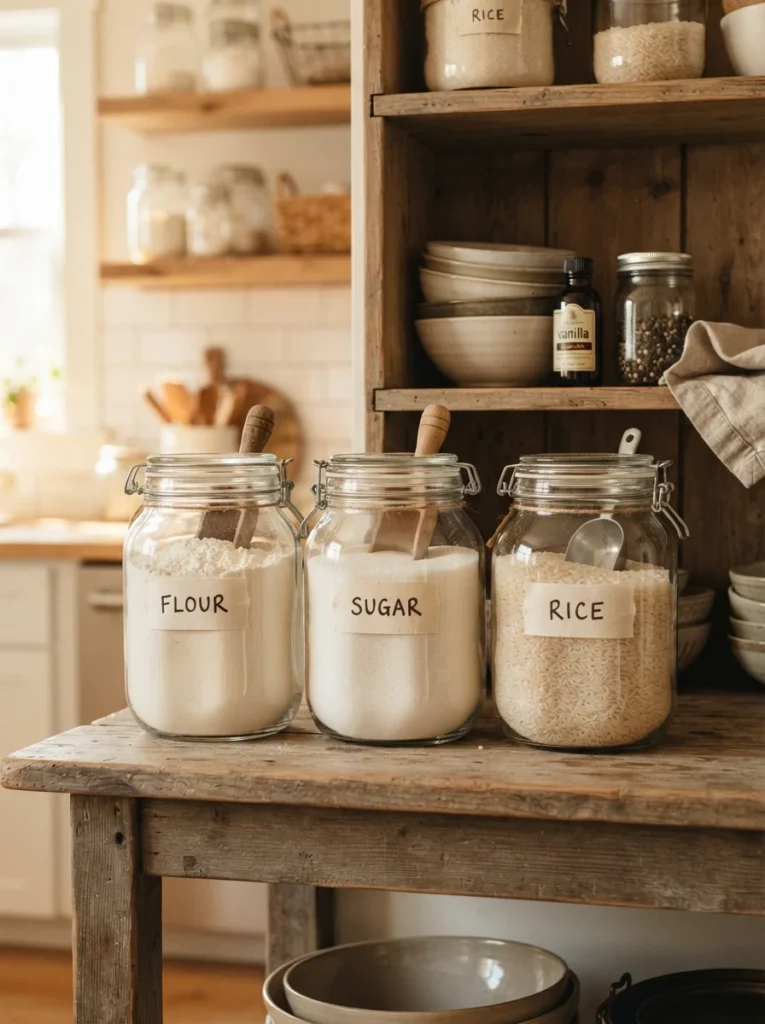
1. Choose Wide-Mouth Jars for Anything You’ll Scoop
Narrow-necked jars work fine for pour able liquids, but anything you need to scoop, flour, sugar, rice, is much easier to manage in a wide-mouth container. You can fit a full measuring cup in without spilling half of it trying to angle through a narrow opening.
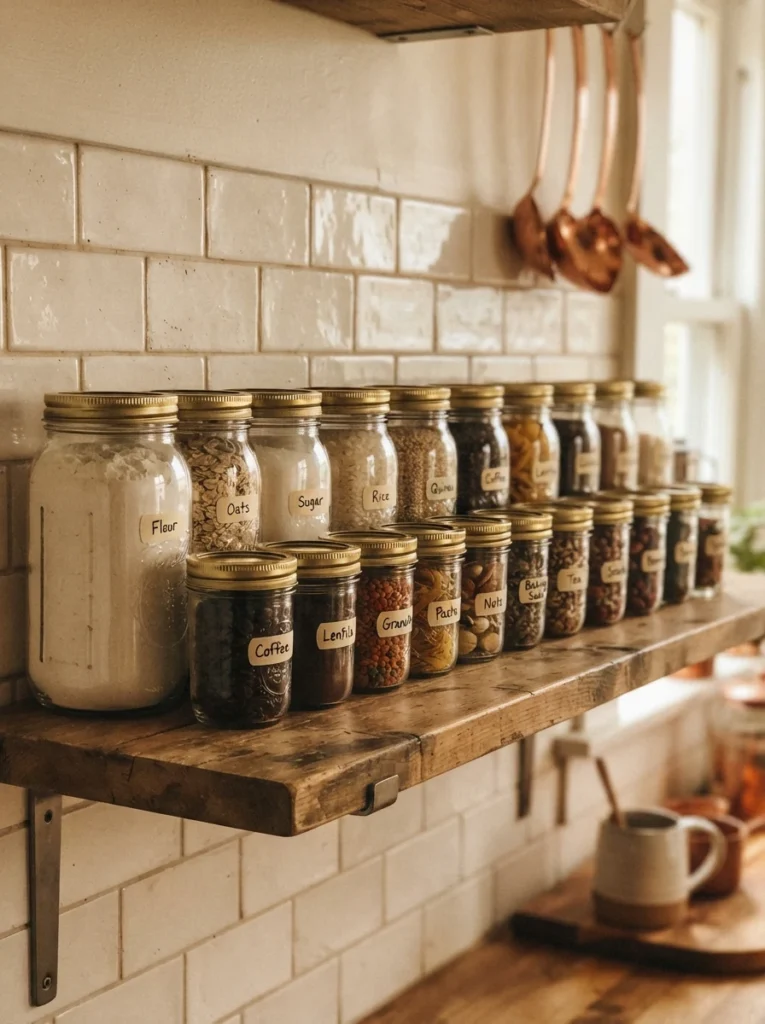
2. Standardize on Two Lid Sizes to Simplify Everything
Mason-style canning jars generally come in just two opening widths, regular and wide mouth, which means you only need to keep two sizes of lids on hand no matter how many jars you own. This alone removes a surprising amount of daily friction compared to a mismatched collection where every container needs its own specific lid.
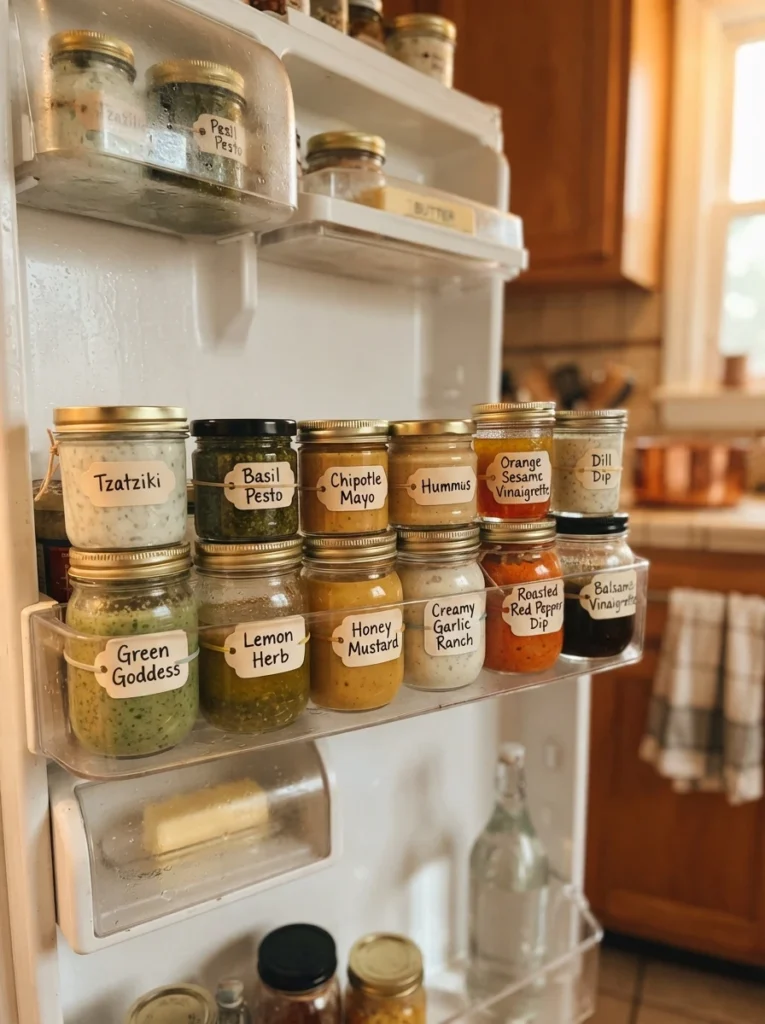
3. Use Small Glass Jars for Fridge Dressings and Dips
Small glass jars are ideal for salad dressings, dips, and sauces you make at home, since the clear sides let you see freshness and portion size without opening the lid. They also stack far more predictably in a fridge door or shelf than the odd-shaped squeeze bottles they usually replace.
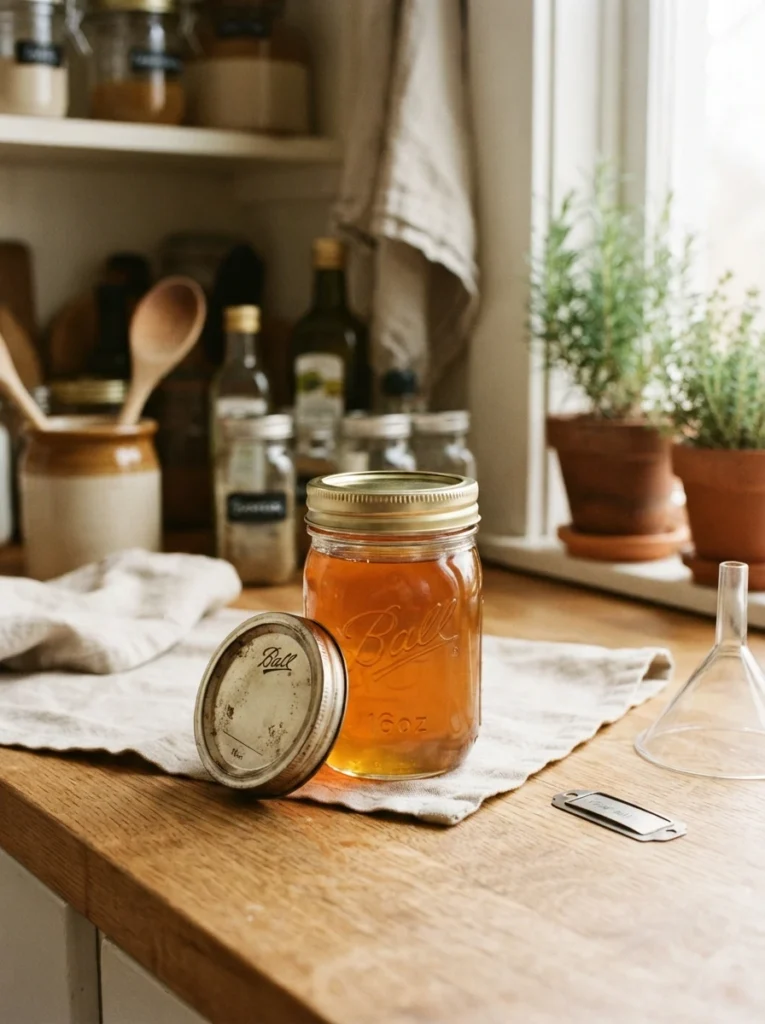
4. Replace the Lid If Smell Transfers From a Previous Food
Glass itself won’t hold onto odors the way plastic does, but the lid, especially if it has a rubber gasket, sometimes will. If a jar smells like its previous contents after washing, swap just the lid rather than assuming the whole container needs replacing.
5. Stack Rectangular Glass Containers Instead of Round Jars in the Fridge
While round jars work well on open pantry shelves, rectangular glass containers make far better use of fridge shelf space, since they stack flush against each other without wasted gaps. Save the round jars for the pantry and reach for square or rectangular glass containers for actual meal storage in the fridge.
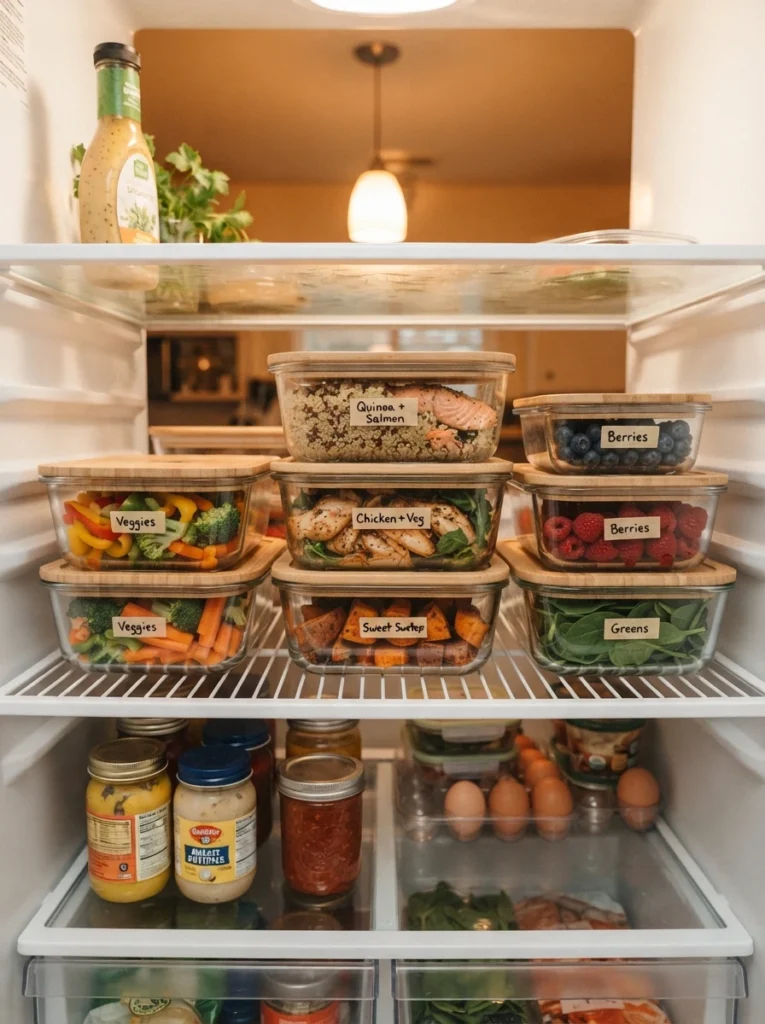
6. Choose Containers That Move Between Fridge, Freezer, and Microwave
One of the biggest advantages of glass over most plastic is that a single container can typically go from fridge to freezer to microwave without a problem, as long as it’s labeled freezer- and microwave-safe. This cuts down on how many different types of containers you need to own and manage in the first place.
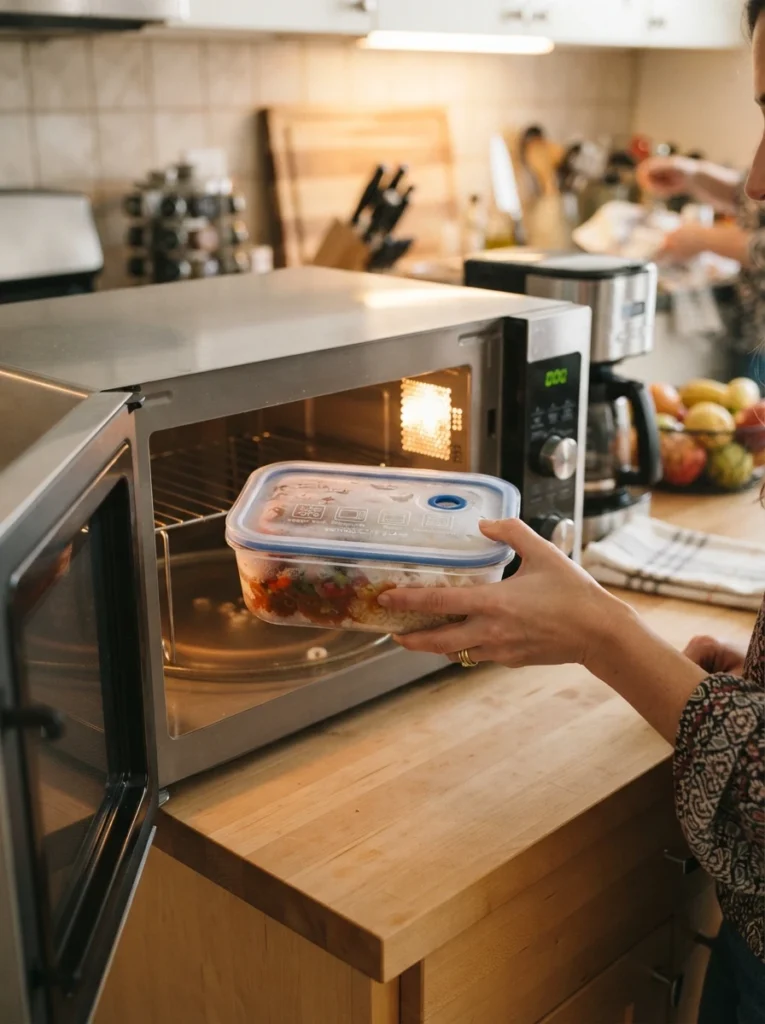
7. Use Glass for Meal Prep So You Actually Eat the Leftovers
People are simply more likely to reach for a meal they can see clearly than one hidden inside an opaque container shoved toward the back of a shelf. Storing prepped meals in clear glass containers keeps them visible every time you open the fridge, which makes them far more likely to actually get eaten instead of forgotten.
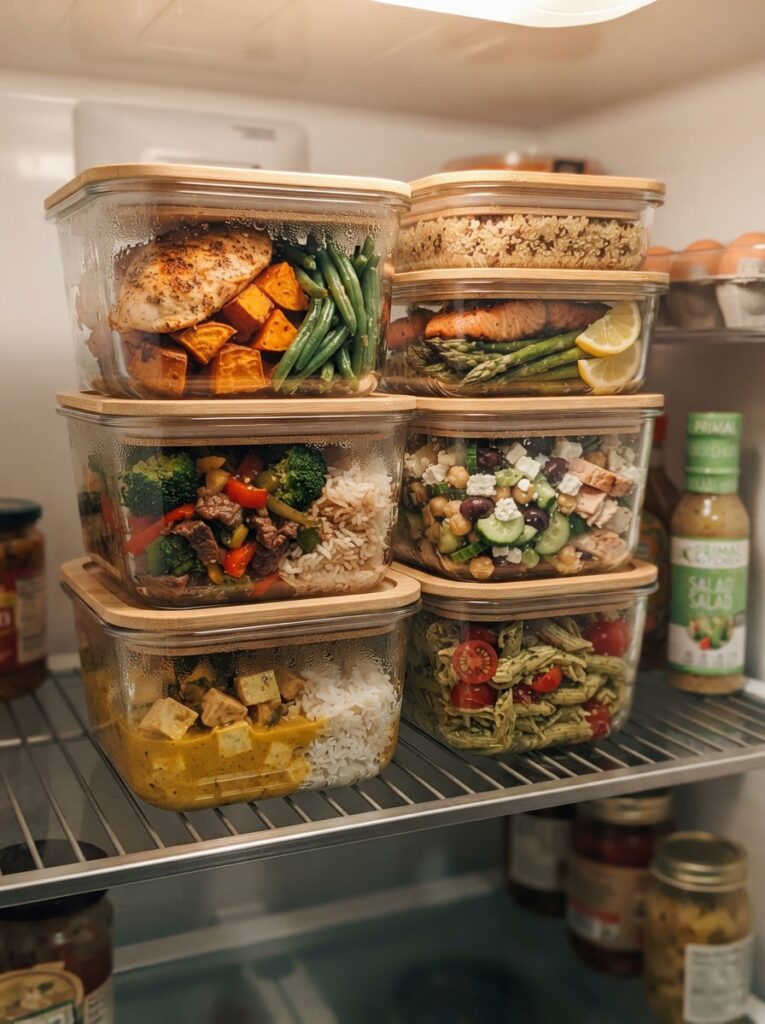
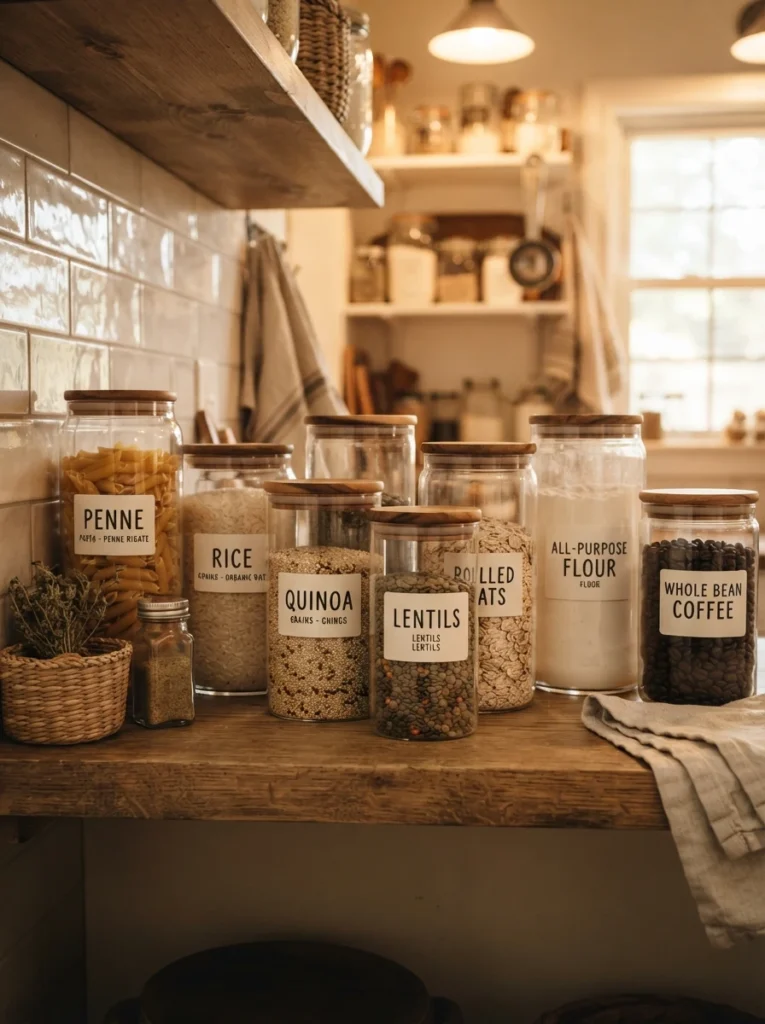
8. Label the Jar Itself, Not Just the Lid
If you’re using the same set of jars for rotating pantry staples, label the front of the jar rather than only the lid, since lids get mixed up or swapped between containers more often than the jars themselves. A simple written or printed label on the glass keeps contents accurate no matter which lid happens to be on top that week.
Switching to glass isn’t about chasing a particular aesthetic, even though it usually ends up looking better than mismatched plastic. It’s about being able to see what you have, keep it fresher longer, and actually use it before it goes bad. Start with whichever shelf frustrates you most, whether that’s the pantry or the fridge, and build the rest of the system from there.