14 Lighting Tricks That Make Small Bedrooms Look More Expensive
TL;DR: Expensive-looking lighting isn’t about the fixtures themselves, it’s about a handful of quiet rules designers follow every time: angle light away from direct glare, use symmetry deliberately, mix materials instead of matching sets, and never let a bare bulb’s starburst glare give away a builder-grade fixture.
If there’s one element that quietly sets the tone for an expensive-looking room, it’s well-considered lighting. The big overhead light rarely does a bedroom any favors on its own, and most of what separates a high-end space from an ordinary one comes down to small technical decisions rather than an expensive shopping list.
Here are 14 lighting tricks that make a small bedroom read as considerably more expensive than it actually was.
1. Angle Light Away From Direct Downward Glare
It’s better to replace a direct fixture pointed straight down with one angled toward a wall instead. Direct overhead glare is one of the fastest ways to make a room feel like an office rather than a bedroom.
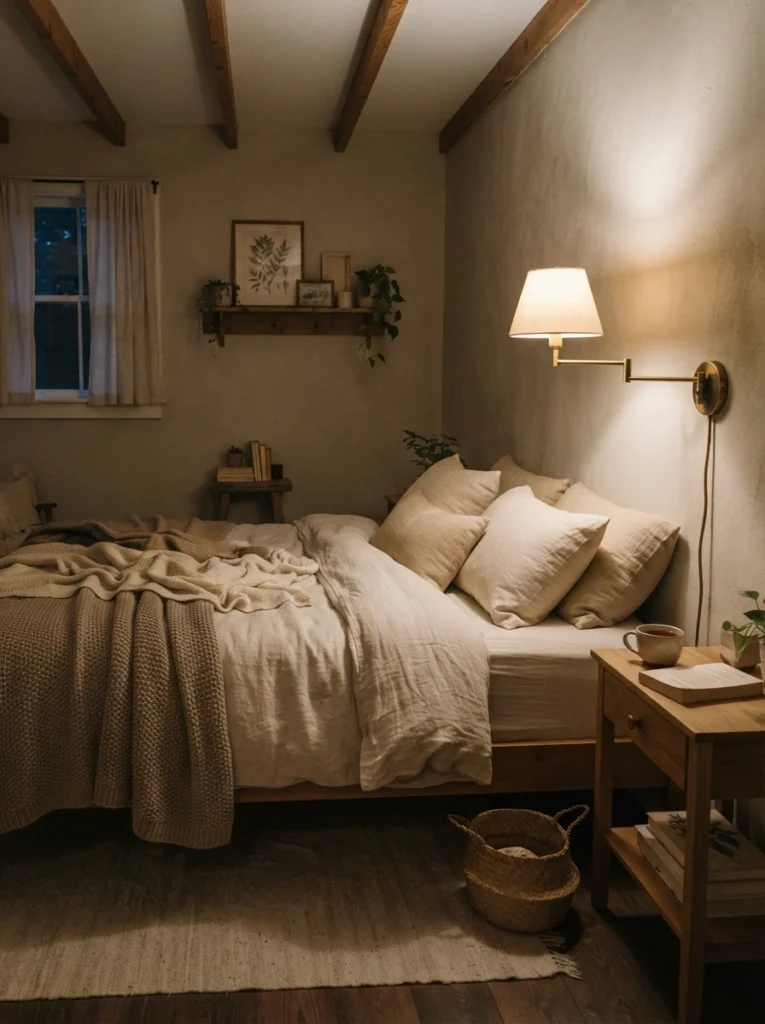
2. Use Symmetry Deliberately, Even If the Room Isn’t Perfectly Symmetrical
Introducing balance where you can, even if the architecture itself isn’t symmetrical, makes a space feel far more intentional and expensive. A pair of matching sconces or lamps flanking the headboard is the fastest way to apply this rule in a bedroom.
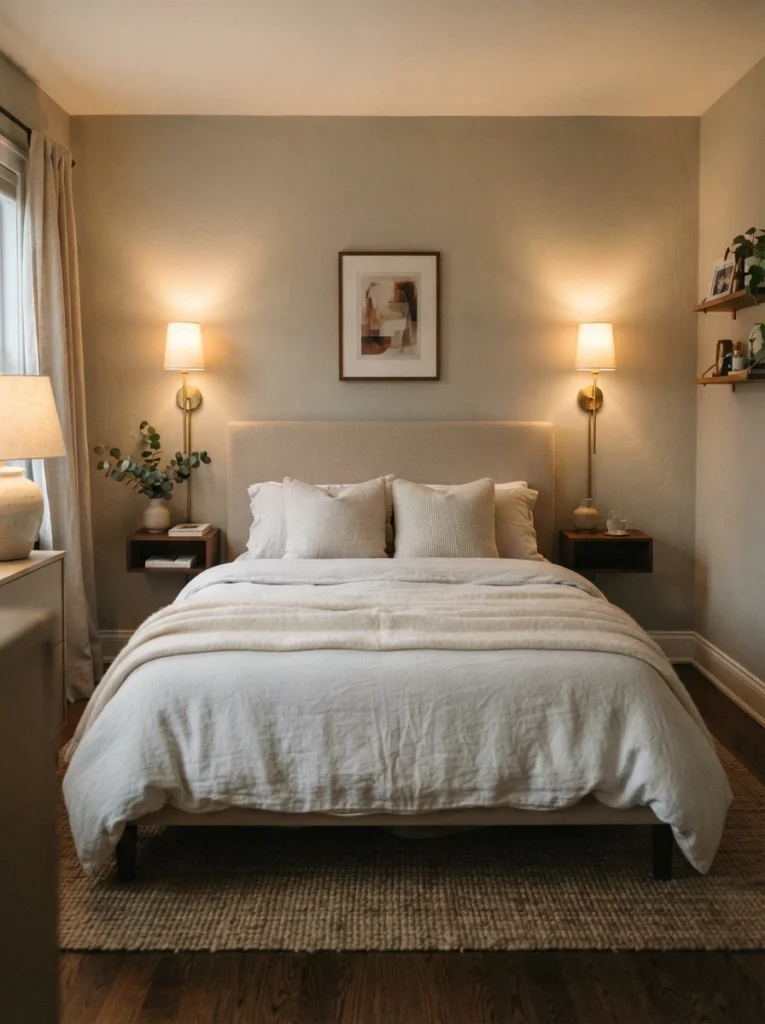
3. Layer Lighting Instead of Relying on One Fixture
A little trick worth remembering is never to rely on just one lamp to light the room. Layering table lamps, floor lamps, and wall lighting mimics the layered lighting schemes found in the most high-end hotels and homes.
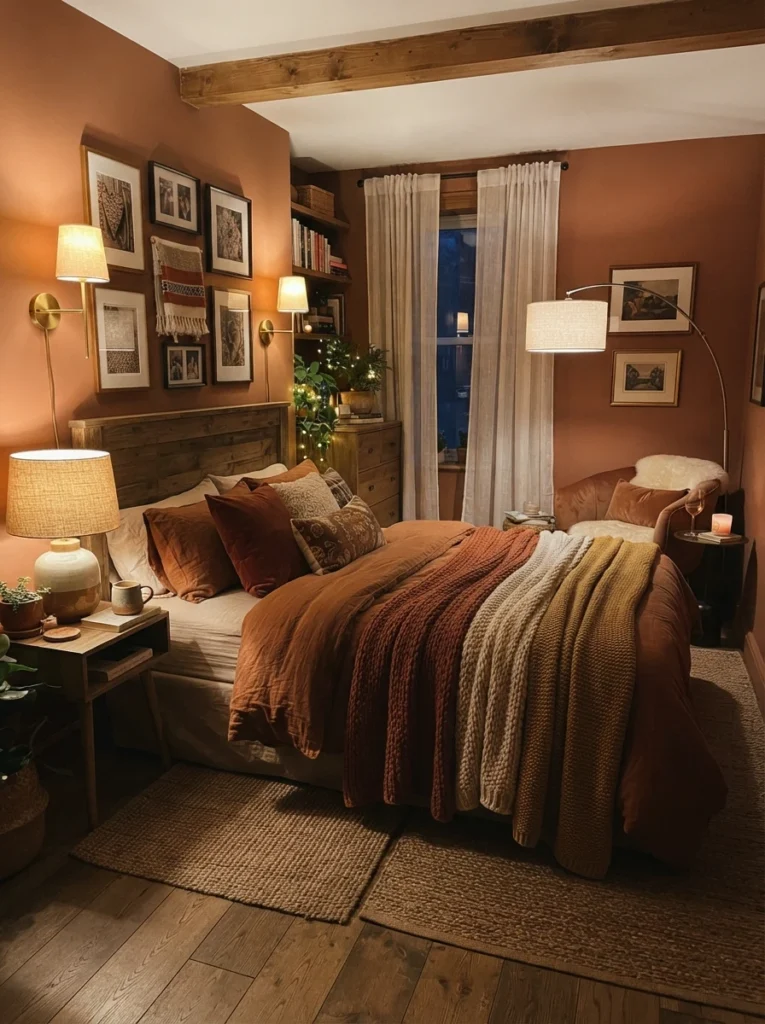
4. Mix Coordinating Fixtures Instead of a Single Matching Set
Using various but coordinating light fixtures throughout a space provides a custom, curated feel, rather than the flatter look of buying one matching set straight from a catalog.
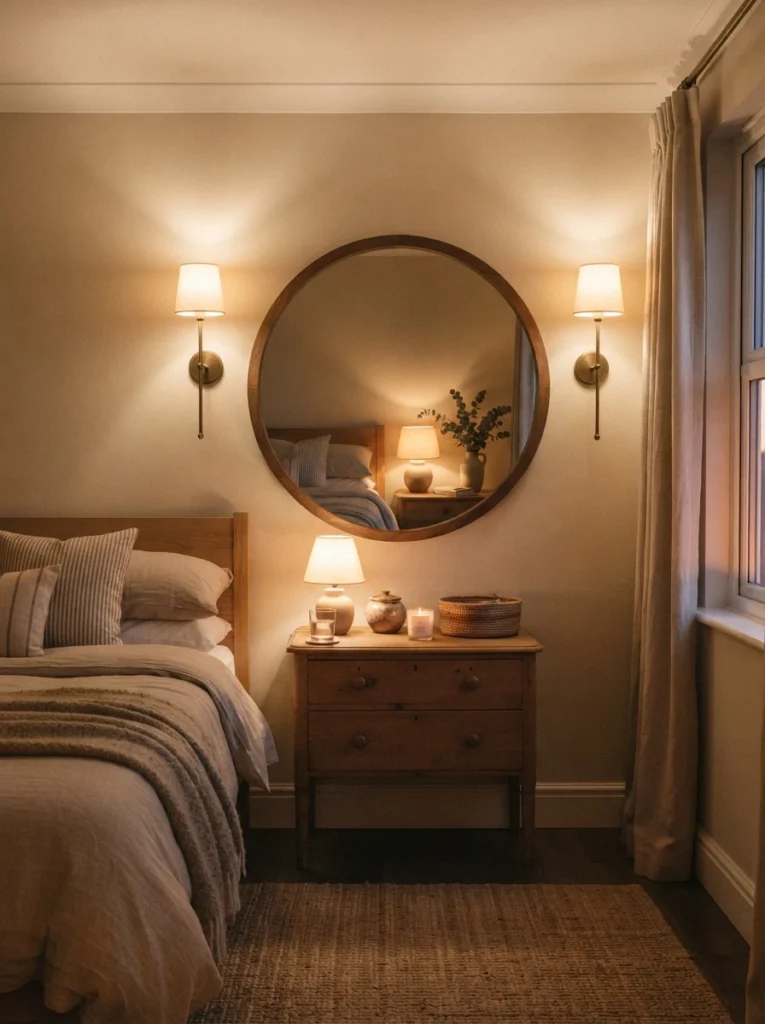
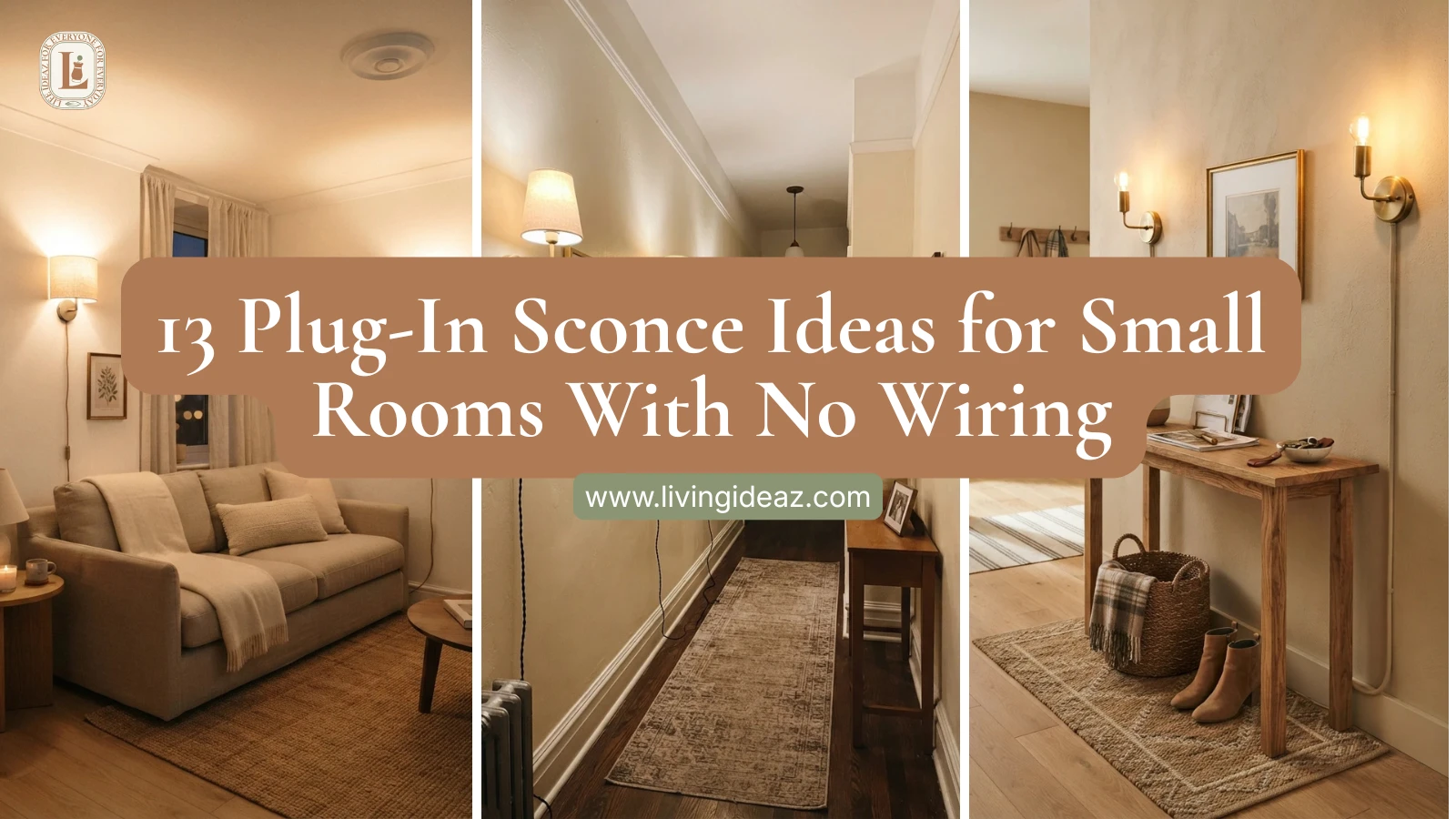
5. Pair a Mirror With Sconces for the Light-and-Mirror Effect
Adding a mirror and framing it with sconces creates a sense of balance and refinement, while their gentle glow adds depth and warmth. Light and mirror make great partners, reflecting into the room and making it look more expansive.
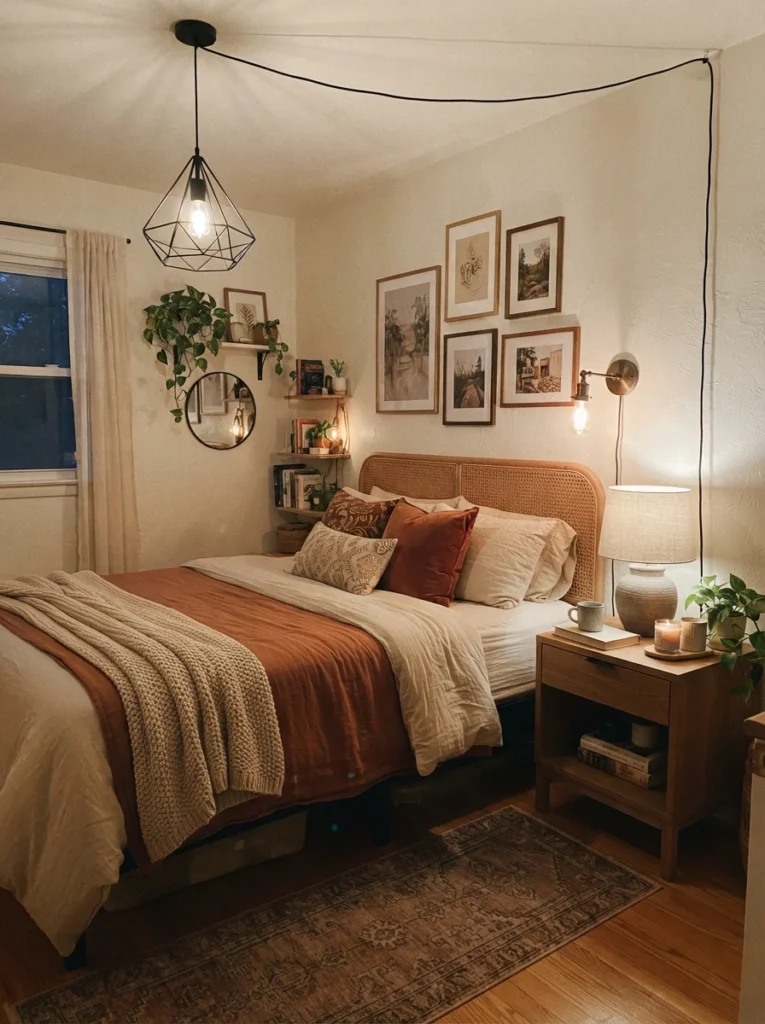
6. Choose Timeless Materials Over Shiny Mass-Produced Ones
For the ultimate finish, choose warm layers of lighting in timeless materials like aged brass, wood, and rattan. Even when the design is simple, high-quality finishes create depth, shadow, and reflection in a way mass-produced materials simply can’t.
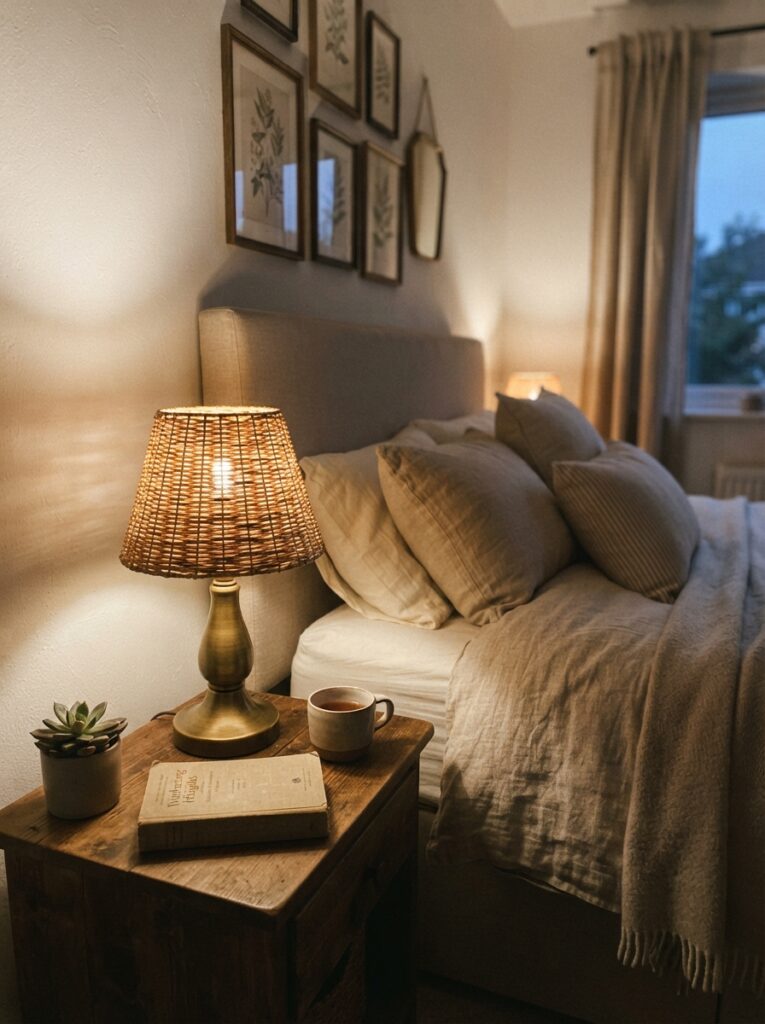
7. Hang Curtains Close to the Ceiling With Warm Light Beneath
Hang the curtain rod close to the ceiling with smooth, pattern-free curtains reaching the floor. Paired with warm ambient light below, this trick makes the room’s ceiling look taller and the whole space read more luxurious.
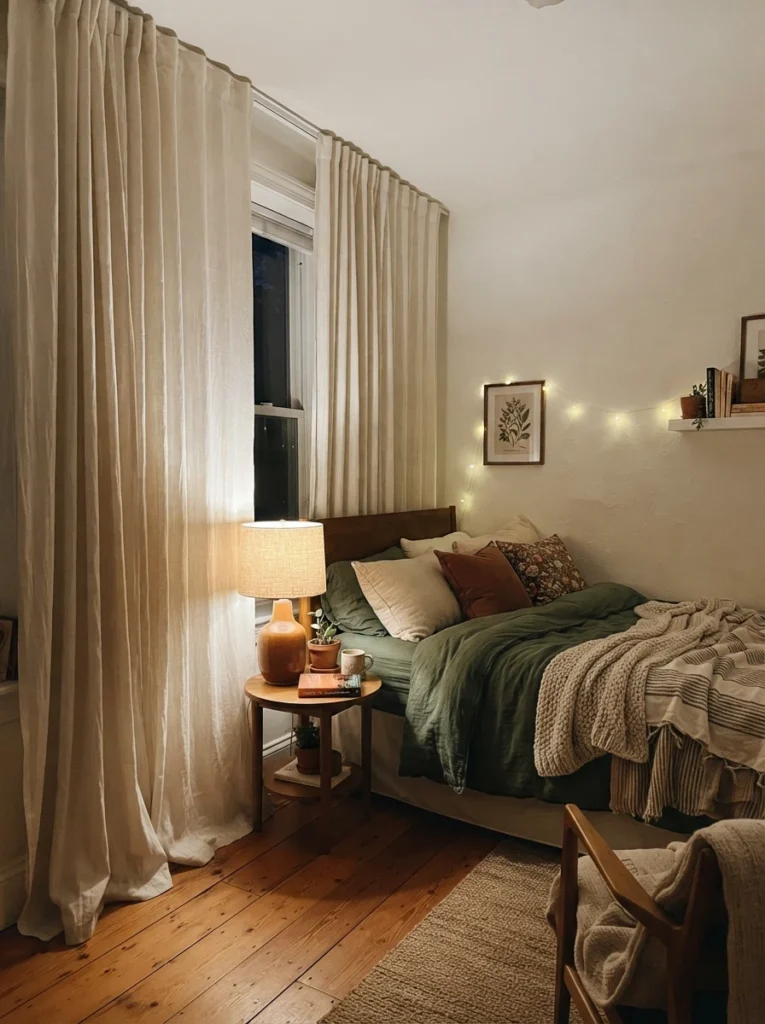
8. Size the Fixture Correctly, Not Too Small or Too Large
A light that’s too small can look builder-grade, while a fixture that’s too large can overpower the room entirely. The best small bedroom lighting feels distinctive but properly scaled, never fighting the room it’s in.
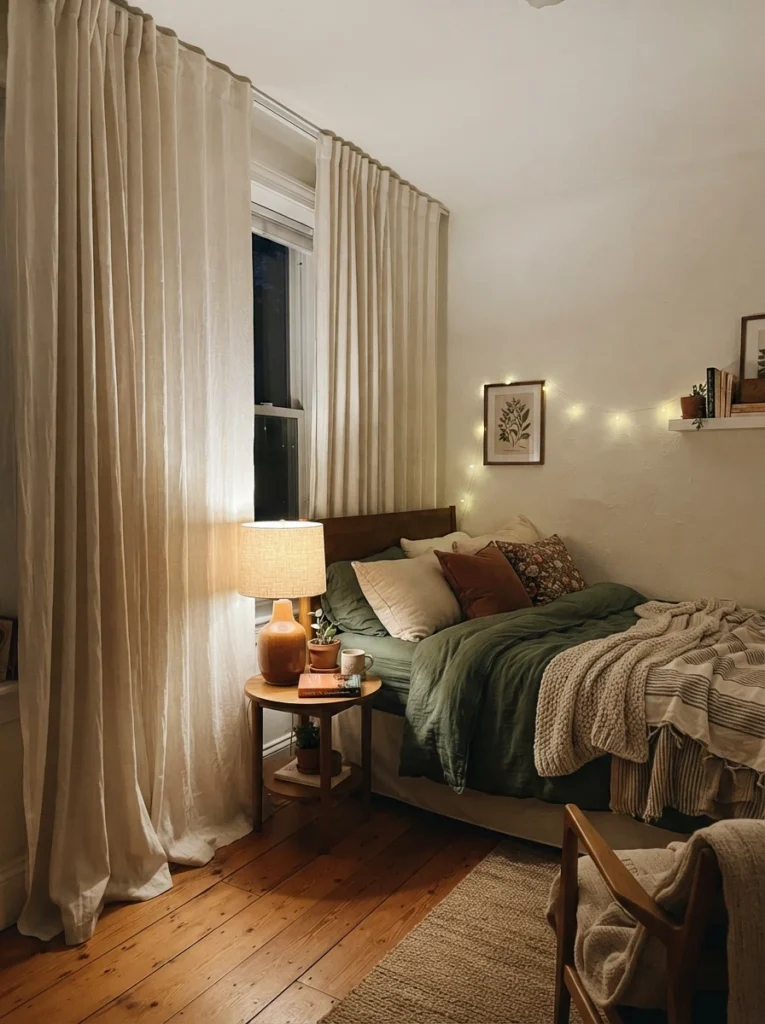
9. Invest in One Sculptural Lamp as a True Focal Point
Multiple lights at various levels is one of the quickest ways to make a room look more expensive, but investing in one genuinely sculptural lamp specifically lends a sense of intention that a room full of ordinary fixtures can’t replicate on its own.
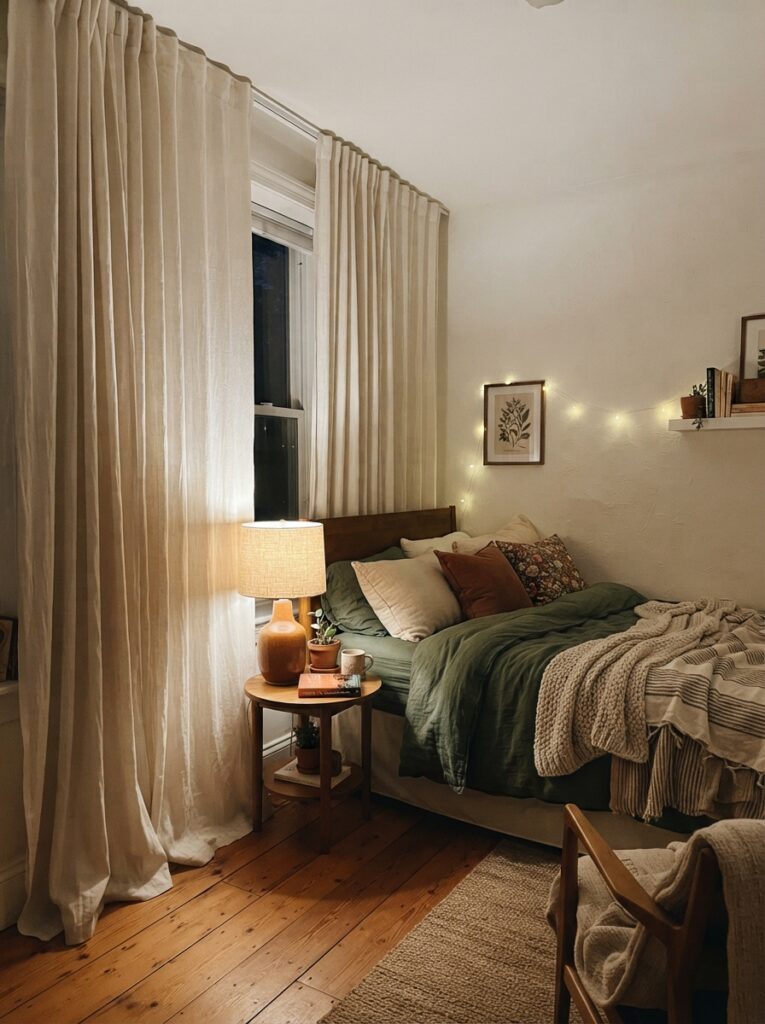
10. Keep Finishes Consistent, Not Just Similar
A thoughtful mix of materials still needs a consistent thread running through it. In a small bedroom, that might mean brass lighting paired with a linen lampshade and a wool throw, all working from the same warm, tactile palette.
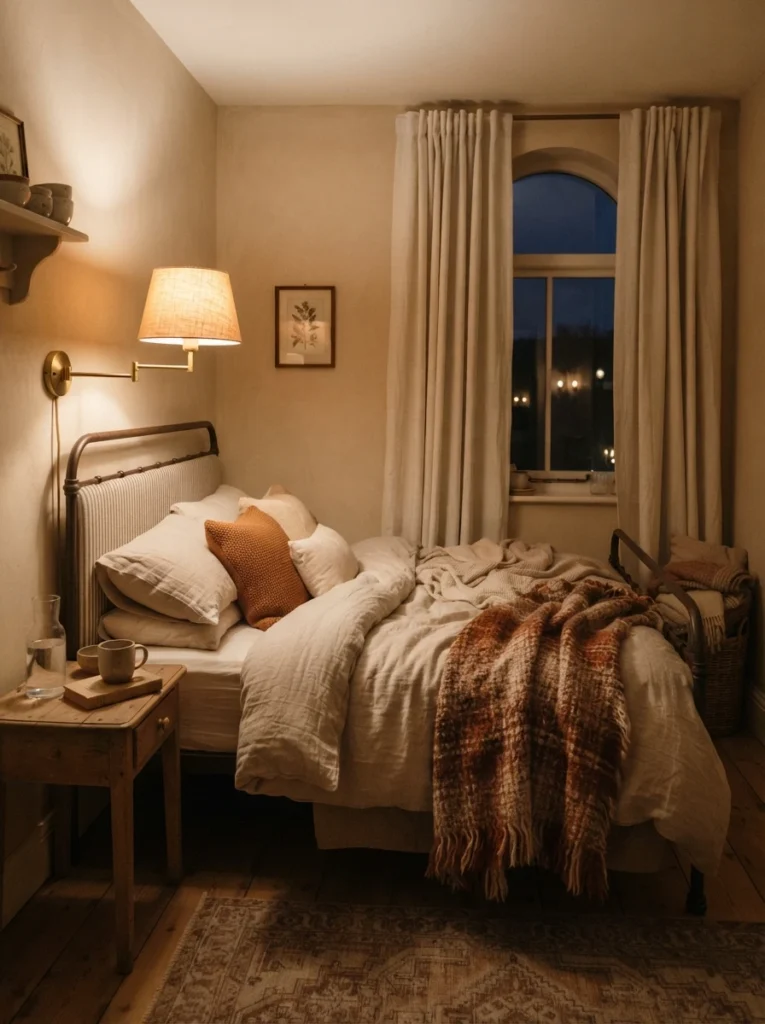
11. Avoid Visible Starburst Glare From Exposed Bulbs
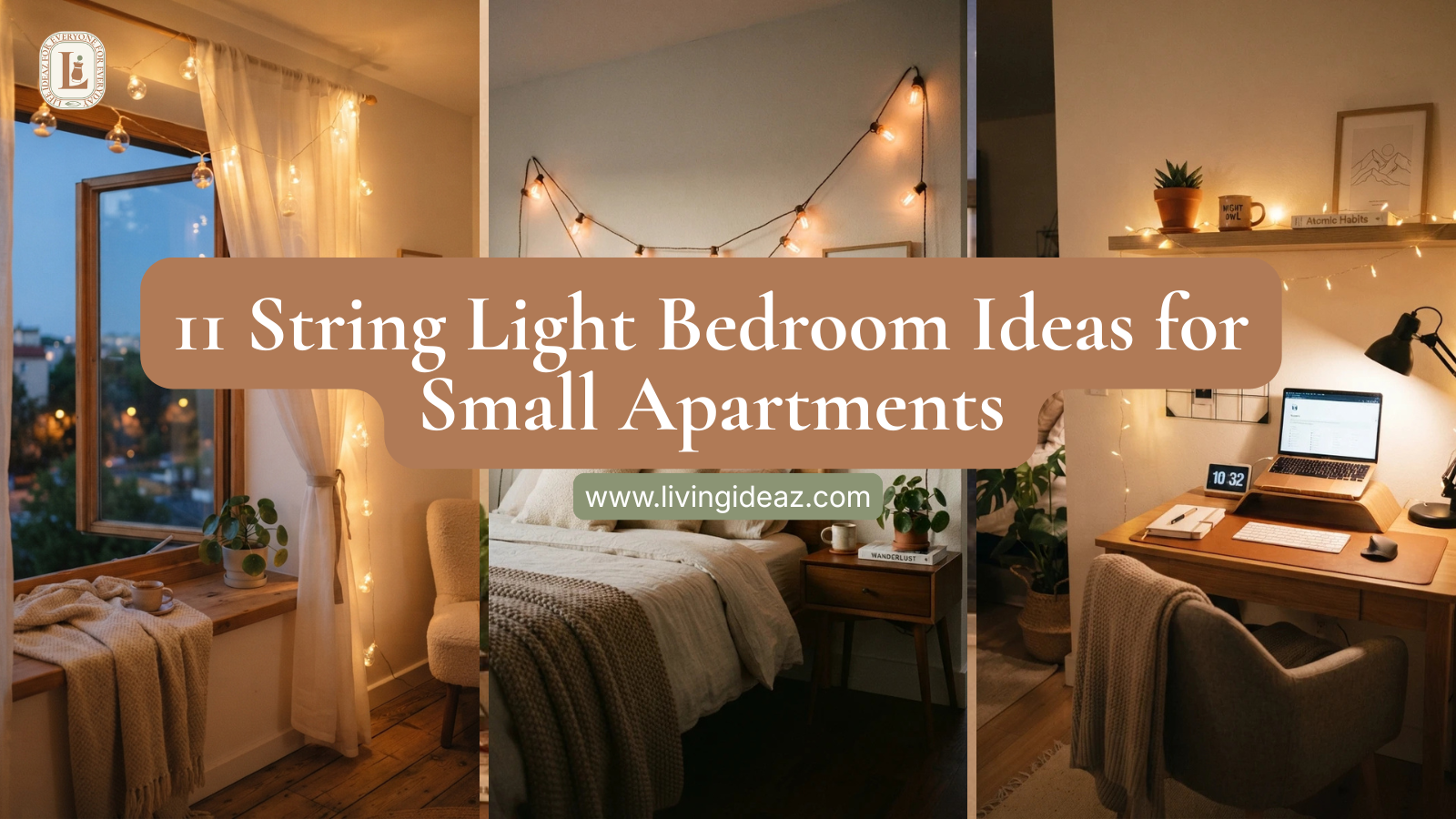
A bare bulb creating a harsh starburst glare is one of the fastest visual cues that a fixture is cheap. Diffused, frosted, or shaded light sources avoid this entirely and read as considered rather than accidental.
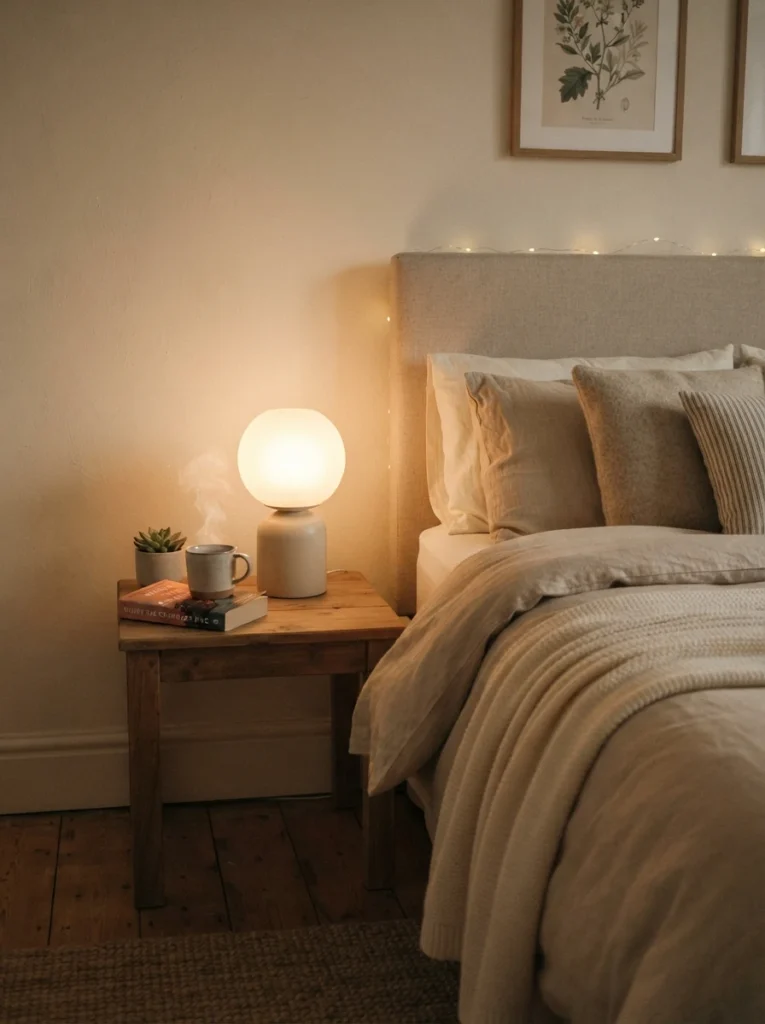
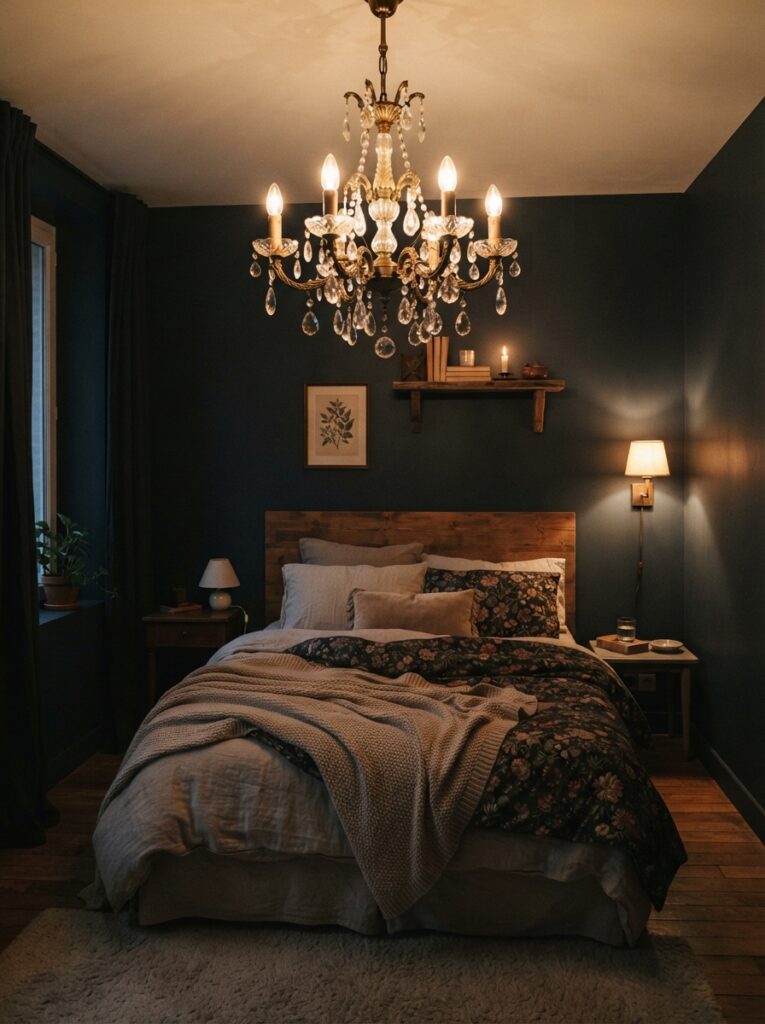
12. Let One Statement Piece Shine Instead of Several Competing Ones
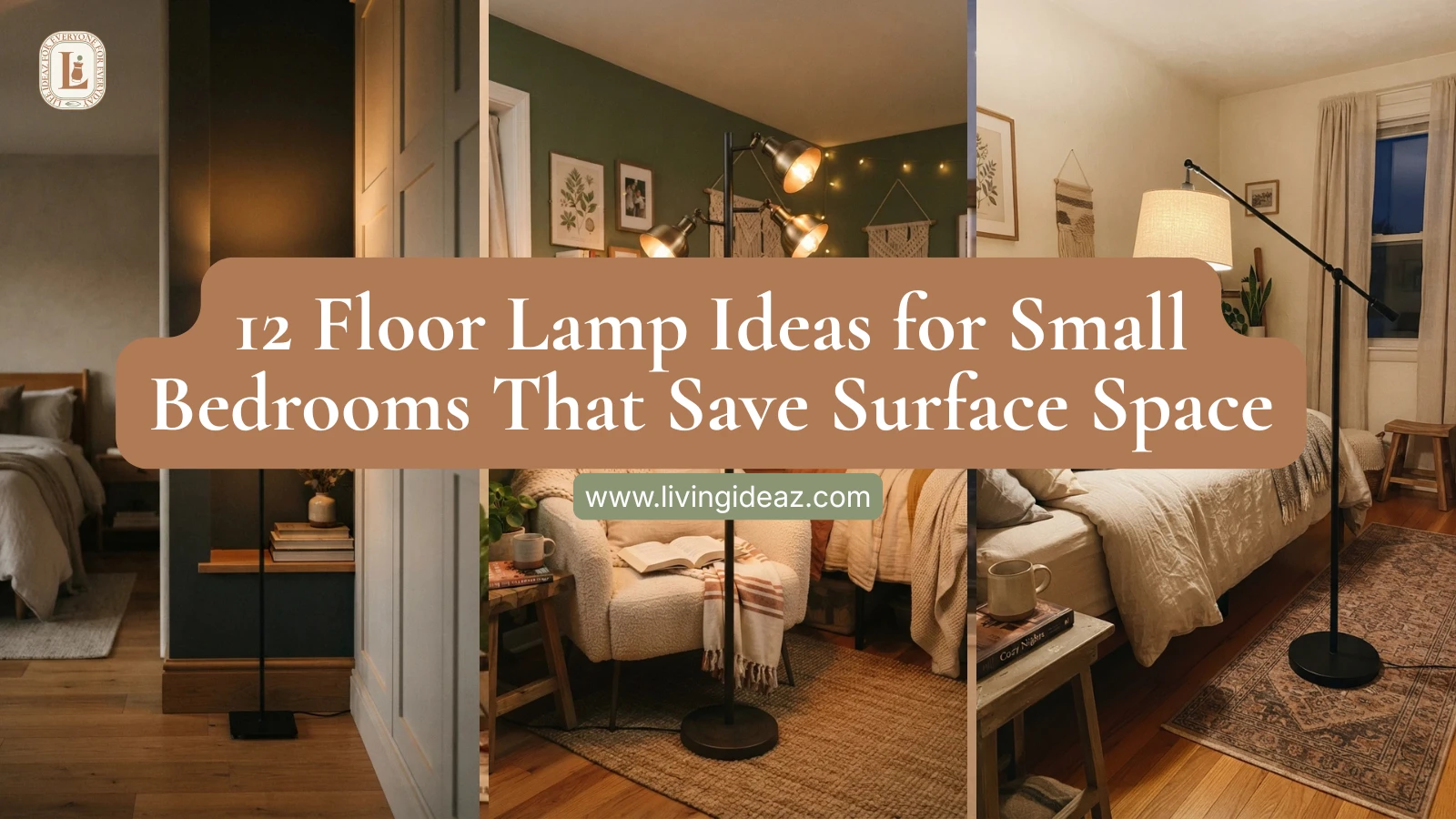
Statement pieces should be used sparingly. If every fixture in the room is competing for attention, nothing actually feels special. Choose one moment, a chandelier, a sculptural floor lamp, and let the supporting lights stay quieter.
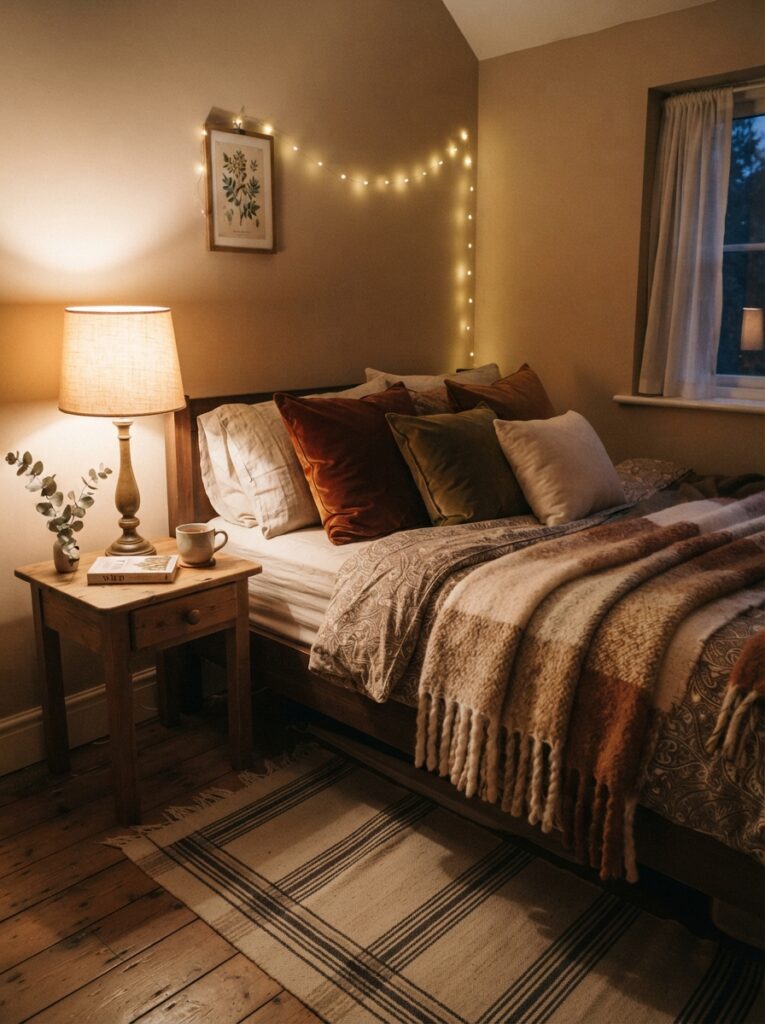
13. Pair Lighting With Tactile Texture
Combining a lamp’s warm glow with genuinely tactile materials nearby, velvet pillows, a woven throw, a wool rug, adds visual richness that plain smooth surfaces under the same light simply can’t achieve on their own.
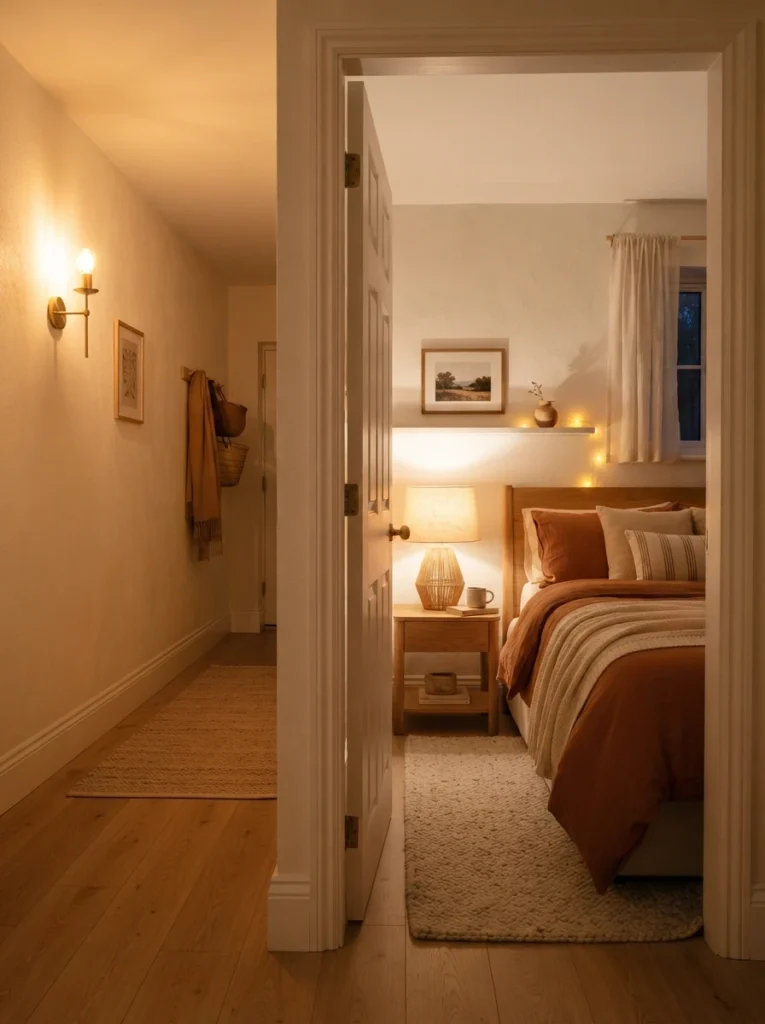
14. Keep Lighting Cohesive From Room to Room
A home feels expensive when lighting flows naturally from space to space rather than jarring the eye at every doorway. Even in a small bedroom, keeping the color temperature and finish consistent with the rest of the home ties the whole space together.
None of these fourteen tricks require a full renovation. Start with the two that cost nothing, angling your light away from direct glare and introducing symmetry with what you already own, then build outward with one genuinely good statement piece rather than a room full of competing ones.