
12 Fridge Organization Ideas to Stop Food From Going Bad
TL;DR: Most food waste isn’t about buying too much, it’s about food disappearing into the wrong part of the fridge and getting forgotten. Using the FIFO method, sticking to temperature zones, and giving produce its own breathing room in the crisper solves the bulk of the problem. A fridge organized around how cold each shelf actually gets will keep food fresh far longer than one organized purely by what fits where.
Few things feel worse than pulling a container out of the fridge only to realize whatever’s inside has been sitting there so long it’s not safe to eat anymore. It happens to almost everyone, and it’s rarely about carelessness. It’s usually because the fridge itself isn’t organized around how it actually works. Different shelves hold different temperatures, some spots are colder than others, and food pushed to the back or buried behind something else gets forgotten fast, no matter how good your intentions were when you bought it.
Here are 12 fridge organization ideas that keep food visible, fresh, and actually get eaten before it goes bad.
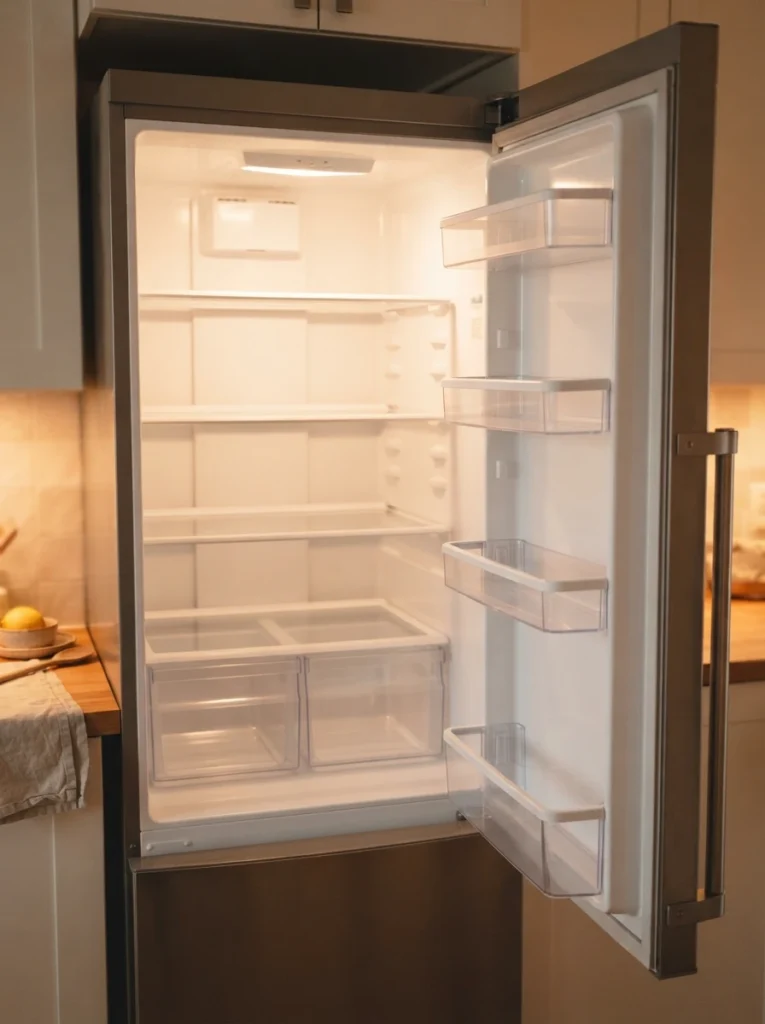
1. Start With a Clean Slate
Before organizing anything, pull everything out of the fridge and toss what’s expired, moldy, or has clear freezer burn. It’s much easier to build a system in an empty fridge than to reorganize around food you’re not even sure is still good.
2. Use the FIFO Method for Everything You Restock
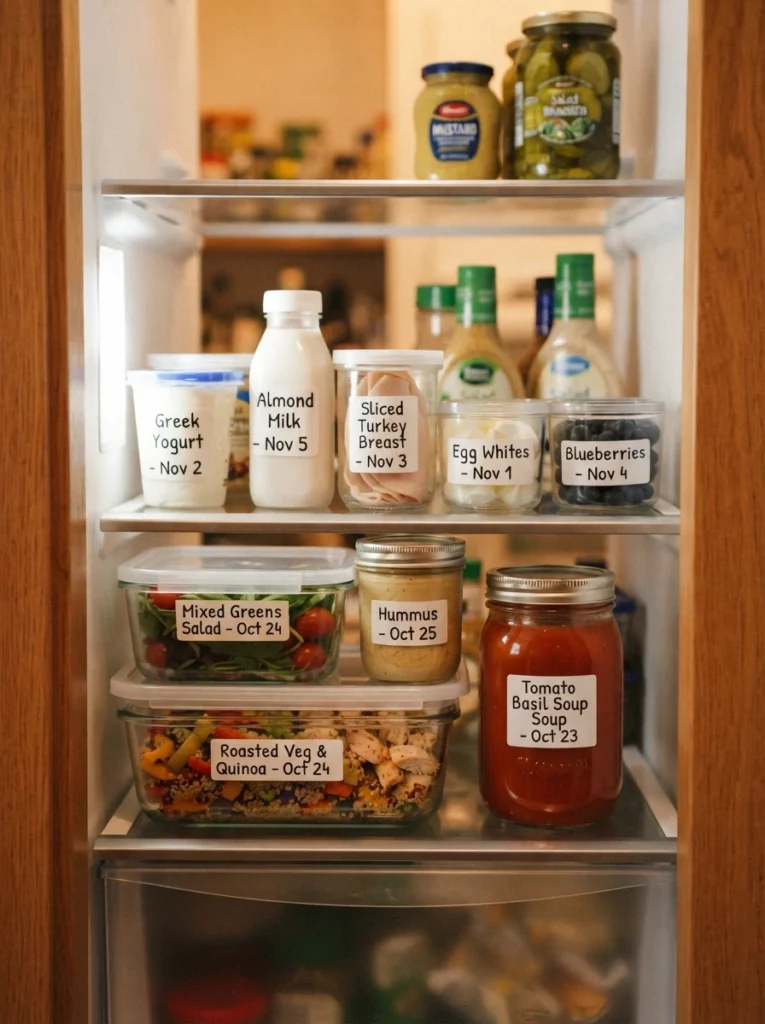
FIFO stands for first in, first out, a system borrowed straight from professional kitchens to keep stock rotating properly. New items go toward the back, and older ones get pushed to the front, so anything close to going bad is the first thing you see and the first thing you reach for.
3. Know Which Shelf Runs Coldest
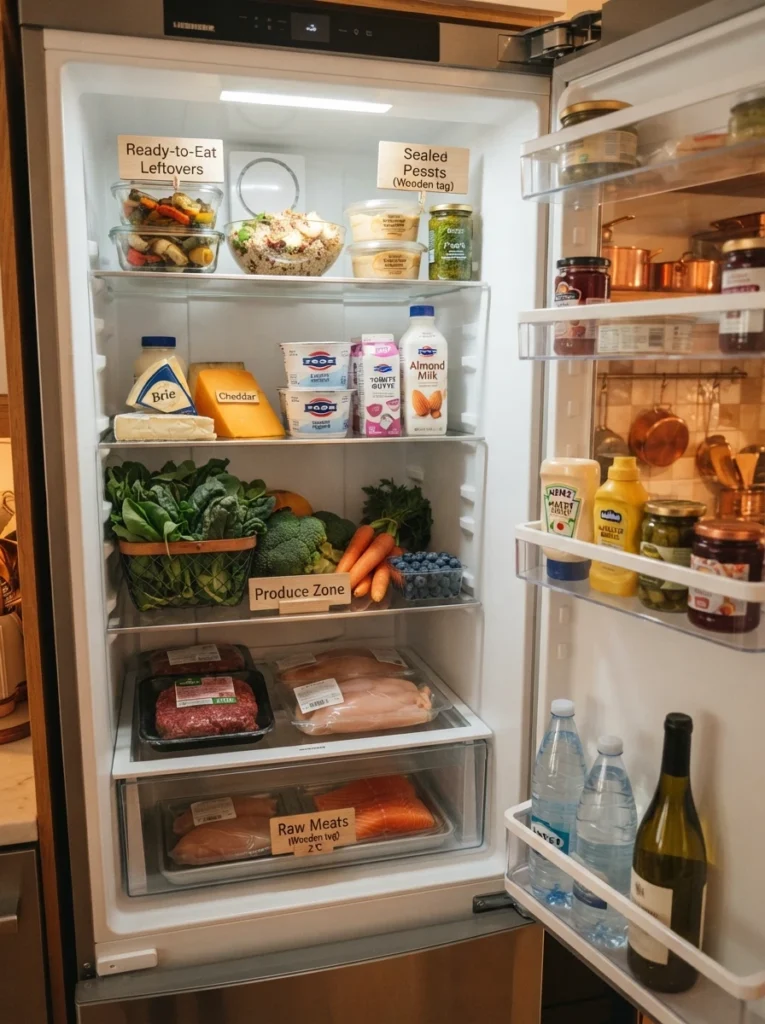
Refrigerator temperature isn’t uniform. Lower shelves generally run a few degrees cooler than upper ones, which is why raw meat, poultry, and fish belong on the bottom, where a leak also can’t drip onto anything else below it. Ready-to-eat foods, leftovers, and drinks are better suited to the upper shelves, which stay a bit warmer.
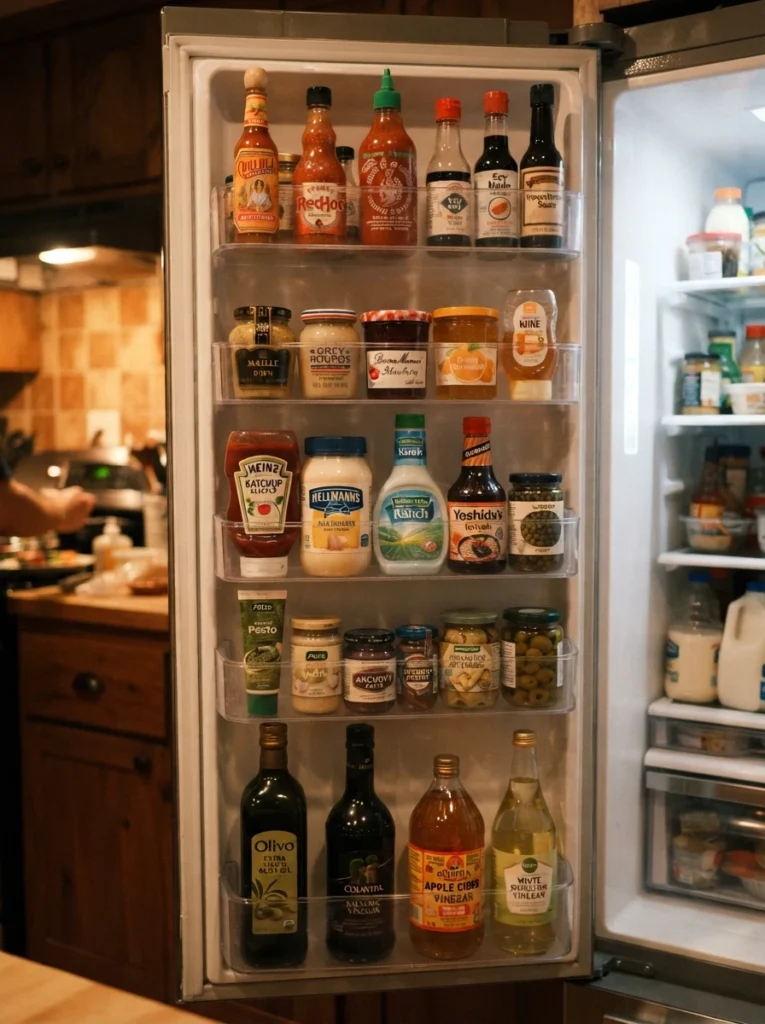
4. Treat the Door as the Warmest Zone
The refrigerator door experiences the most temperature swings every time it opens, which makes it the worst spot for anything highly perishable like milk or eggs, despite the built-in shelves that seem designed for them. Save the door for condiments and items that are naturally more shelf-stable, and keep genuinely perishable dairy on an interior shelf instead.
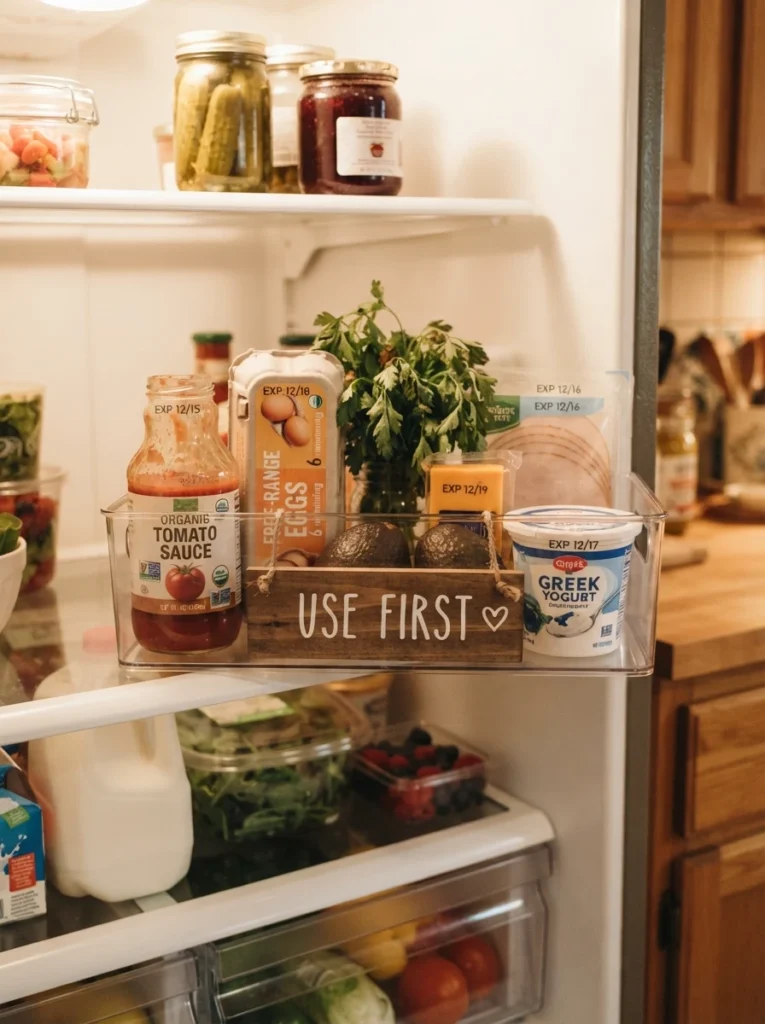
5. Create a Dedicated “Use This First” Spot
Designate one visible, eye-level spot in the fridge specifically for food that needs to be eaten soon. Every time you’re deciding what to cook or grab as a snack, checking this spot first turns using up food before it spoils into an automatic habit instead of something you have to remember on your own.
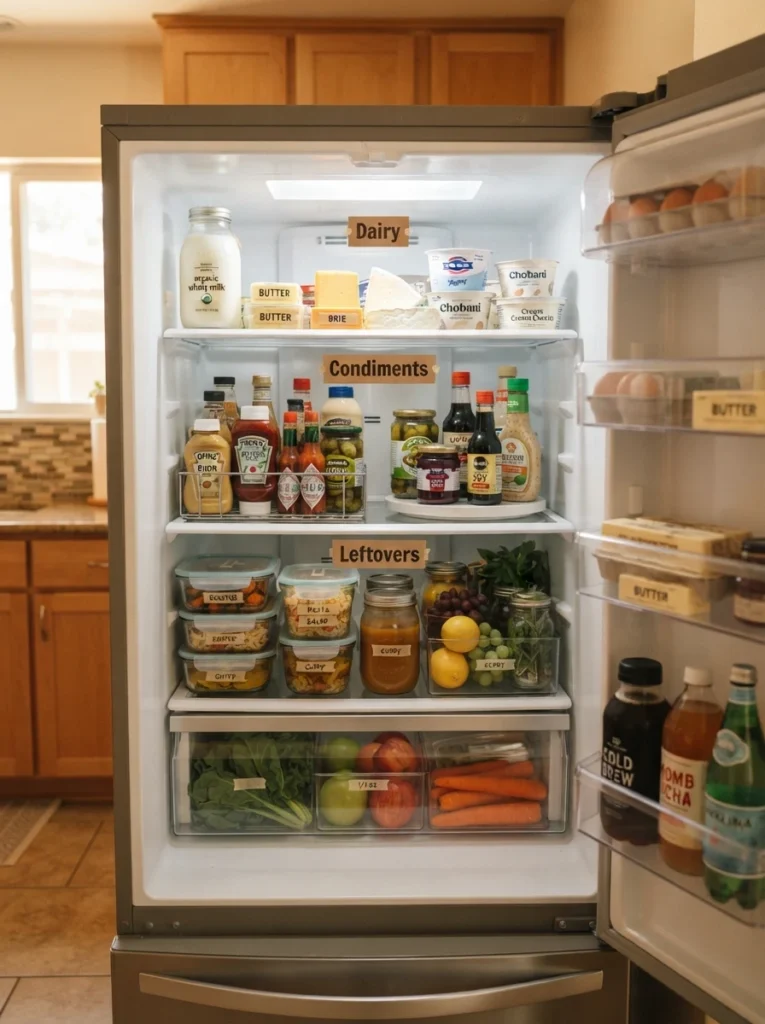
6. Group Like Items Into Zones
Rather than placing food wherever there happens to be an open gap, dedicate specific zones to specific categories: all dairy together, all condiments together, all leftovers together. This makes it far easier to see at a glance what you actually have on hand, which cuts down on both forgotten food and duplicate grocery purchases.
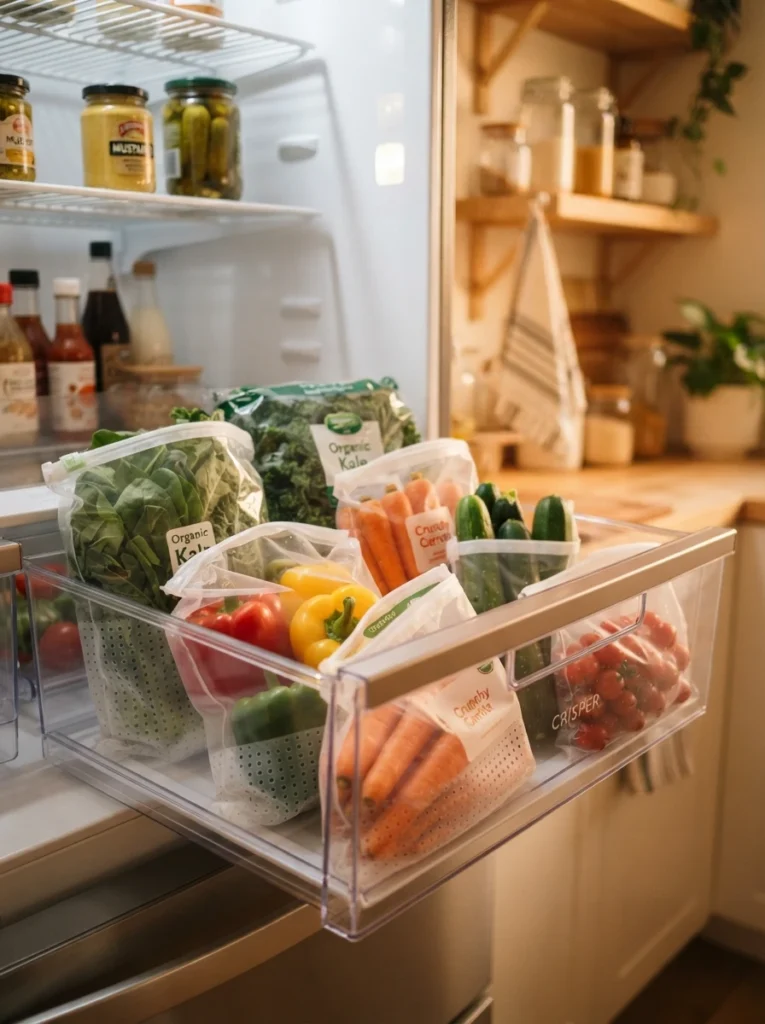
7. Store Produce in Perforated Bags or Vented Containers
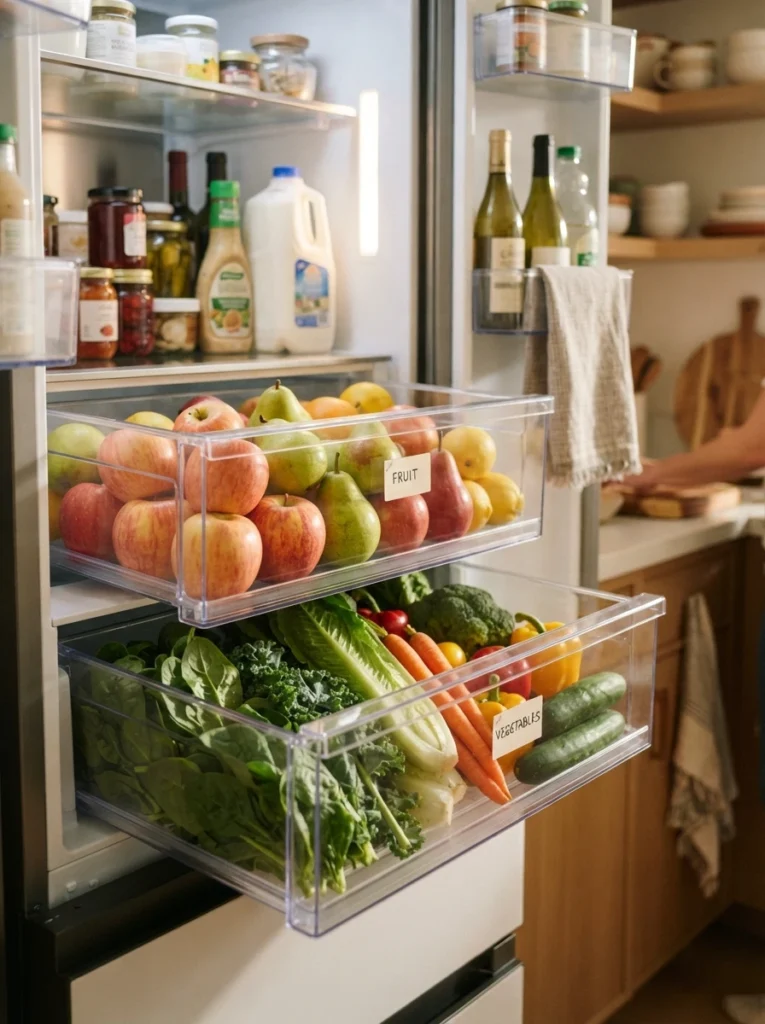
Vegetables and fruit need airflow to stay fresh, and sealing them into airtight bags or containers actually speeds up spoilage by trapping moisture. Perforated produce bags or vented crisper containers let excess humidity escape while still keeping things contained and organized.
8. Keep Ethylene-Producing Fruit Away From Other Produce
Certain fruits, including apples and pears, release ethylene gas as they ripen, which speeds up spoilage in whatever produce sits near them. Keeping these ethylene-heavy fruits in a separate crisper drawer or container from the rest of your vegetables can meaningfully extend how long everything else stays fresh.
9. Label Leftovers With Both Contents and Date
It’s easy to lose track of how long a container of leftovers has actually been sitting in the fridge, especially once it’s shoved behind something else. A simple label with the contents and the date it went in removes the guesswork entirely, so you’re deciding based on actual information instead of a hopeful sniff test.
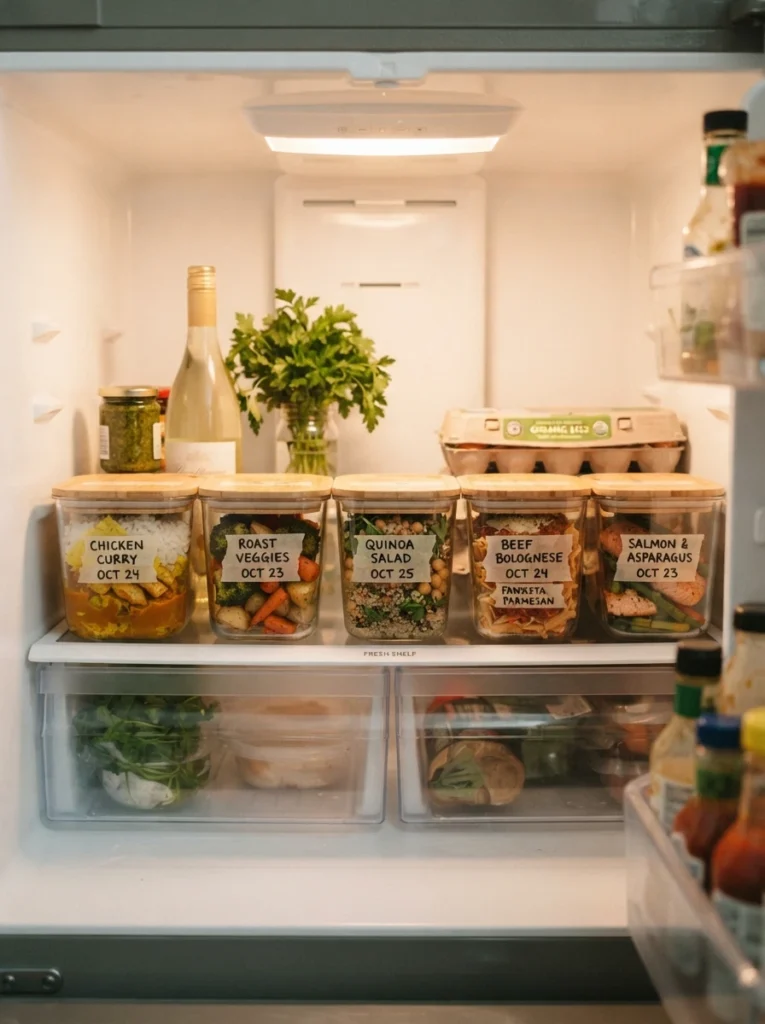
10. Use Stackable, Clear Containers to Reclaim Vertical Space
Most fridge shelves have more dead air above the food than people realize, since nobody wants to stack loose items and risk crushing them. Clear, stackable containers solve this by giving you a solid surface to build upward on, which can meaningfully increase how much a single shelf actually holds.
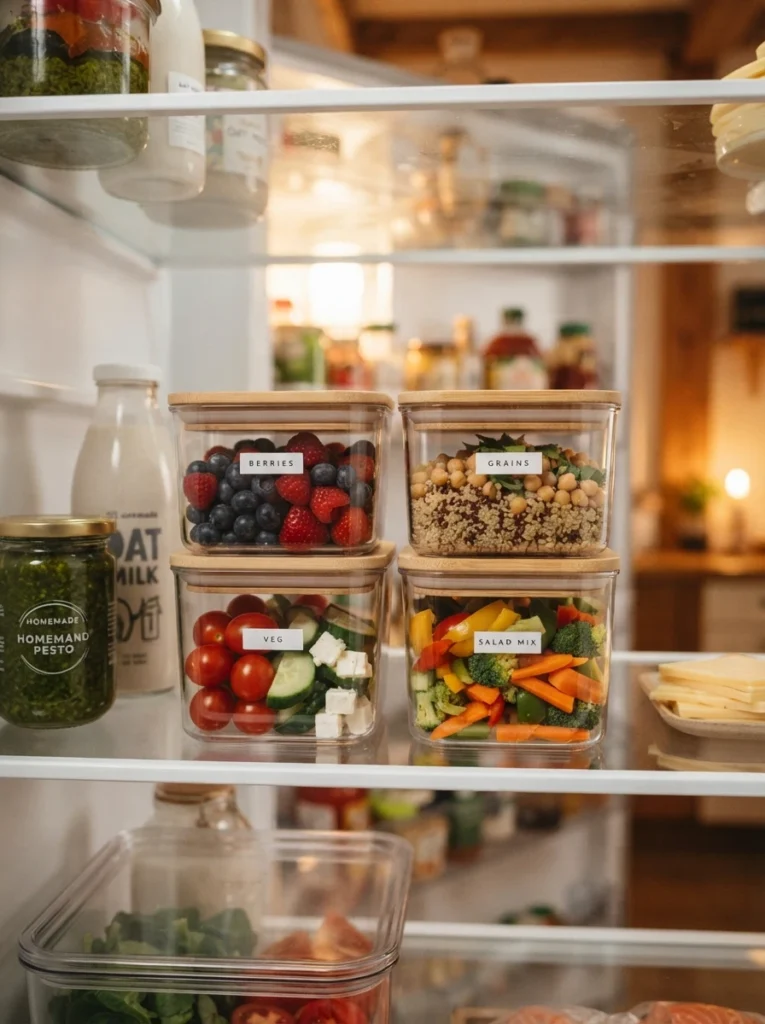
11. Don’t Overpack the Shelves
It’s tempting to fill every open inch of fridge space, but overcrowding blocks the cold air from circulating properly, which can actually make food spoil faster despite being technically “in the fridge.” Leaving a bit of breathing room between items helps the appliance do its job the way it’s designed to.
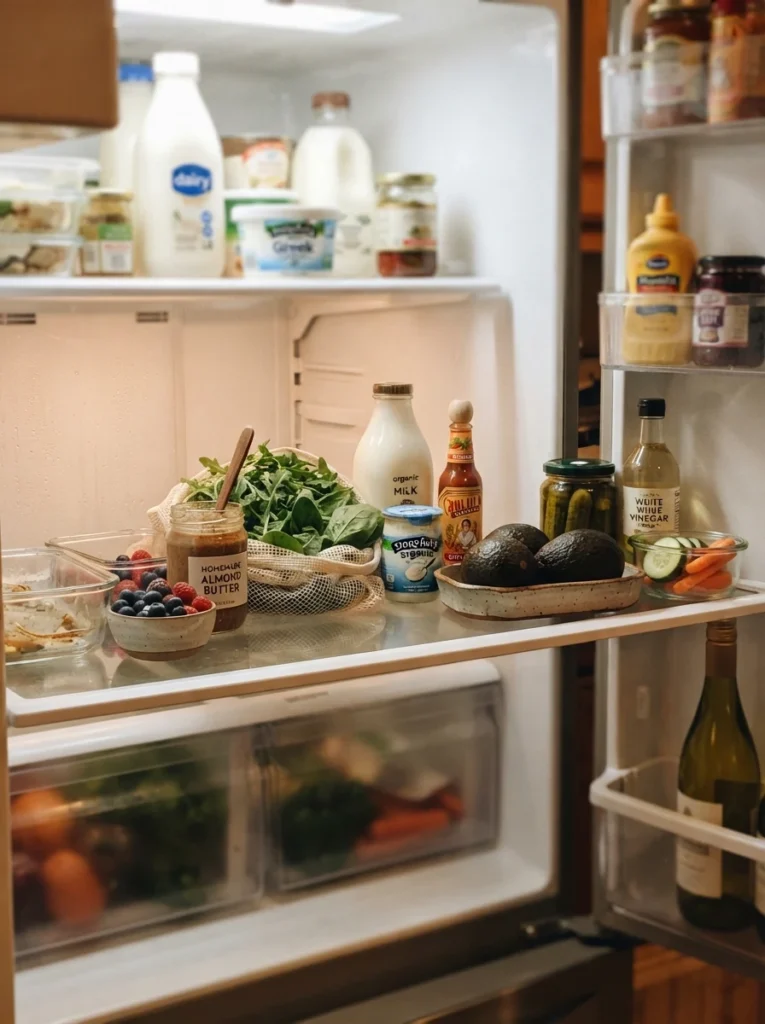
12. Check the Fridge Temperature Regularly
A refrigerator should generally sit at or below 40°F to keep perishable food safe and slow the growth of harmful bacteria. A simple fridge thermometer, checked every so often, confirms the appliance is actually holding that temperature rather than assuming the built-in dial is accurate.
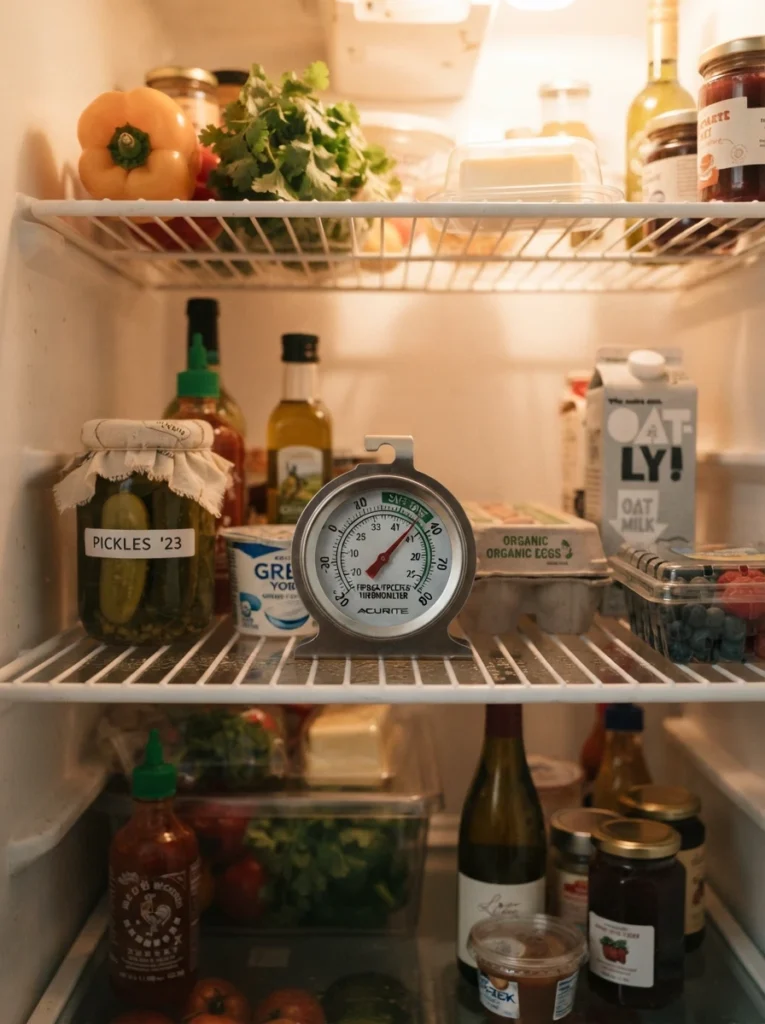
None of these changes require new appliances or a bigger fridge. They just require organizing around how a refrigerator actually behaves instead of treating every shelf as interchangeable. Once older food is visible instead of buried, and produce is stored the way it actually needs to breathe, you’ll notice a lot less getting thrown out at the end of the week.